



Description
1. Product Overview
Thermoplastic Elastomer (TPE) is a versatile polymer that combines the elasticity of rubber with the processability of thermoplastics. Engineered for high-performance industrial applications, it provides exceptional flexibility, resilience, and chemical resistance across a wide range of temperatures. TPE’s unique properties make it ideal for replacing traditional rubber and plastics in both high-volume and precision manufacturing. Strategically, it enables manufacturers to streamline production, reduce costs, and improve product lifecycle performance, making it a critical material for industries focused on innovation and efficiency. Its adaptability positions TPE as a key component in modern, sustainable manufacturing solutions.
2. Key Specifications & Technical Characteristics
- Material Composition: Styrene-based or olefin-based elastomers, compounded with plasticizers and additives
- Grade / Purity: Industrial-grade TPE, consistent quality with standardized performance
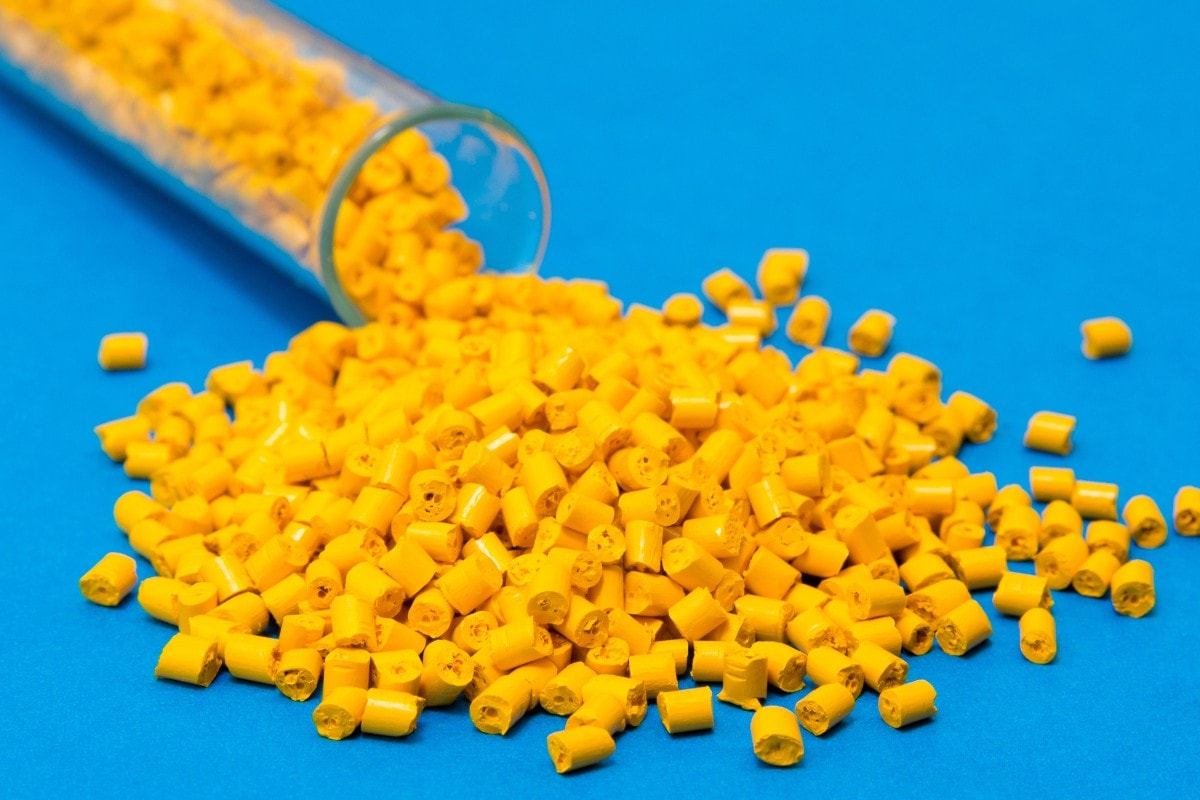
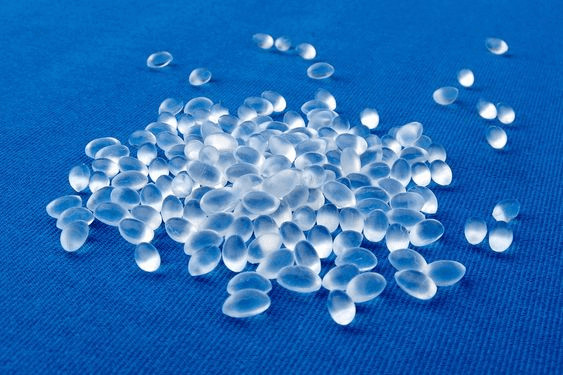
- Physical Form: Pellets or granules
- Color Options: Natural or custom color formulations
- Density: Typically 0.90–1.25 g/cm³ (depending on type)
- Hardness: 20–90 Shore A (customizable per application)
- Melting/Processing Range: 180–250°C
- Packaging: 25 kg or 50 kg bags, bulk tote options available
- Shelf Life: 12–24 months under proper storage conditions (cool, dry, away from direct sunlight)
3. Core Industrial Applications
- Automotive Industry: Seals, gaskets, vibration dampening components, and interior trims where flexibility, durability, and chemical resistance are critical
- Electronics & Electrical: Cable insulation, connectors, and protective housings requiring precise molding and thermal stability
- Medical Devices: Soft-touch components, tubing, and ergonomic parts with biocompatibility and consistent performance
- Consumer Goods: Footwear soles, sports equipment, and appliance components benefiting from high elasticity and comfort
- Advantages Over Alternatives: Faster processing times than traditional rubber, lower production costs, superior recyclability, and consistent dimensional stability
4. Competitive Advantages
- Quality Consistency: Industrial-grade formulation ensures uniform performance across production batches
- Supply Reliability: Robust global logistics network supporting uninterrupted delivery
- Technical Support: Comprehensive datasheets, processing guidance, and application consultation available
- Cost Competitiveness: High-performance properties at optimized pricing
- Sustainability Benefits: Fully recyclable and reduces dependency on traditional vulcanized rubber
- Strategic Positioning: Enables manufacturers to enhance efficiency, reduce material waste, and accelerate time-to-market
5. Commercial & Supply Information
- Minimum Order Quantity (MOQ): 20 MT
- Loading Capacity: 20–22 MT per 20-ft container (depending on packaging format)


Reviews
There are no reviews yet.