
Description
1. Product Overview
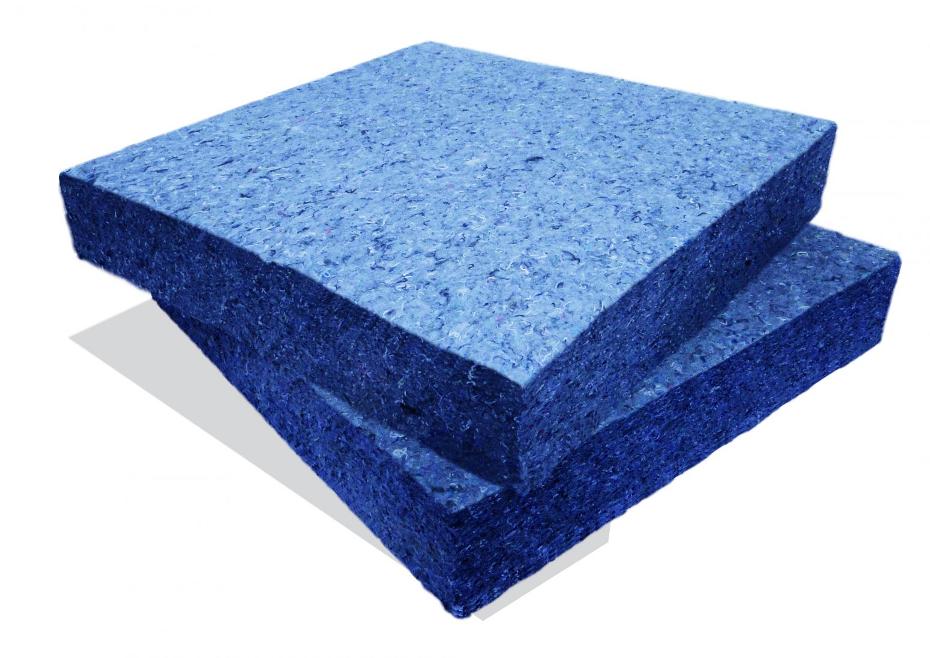
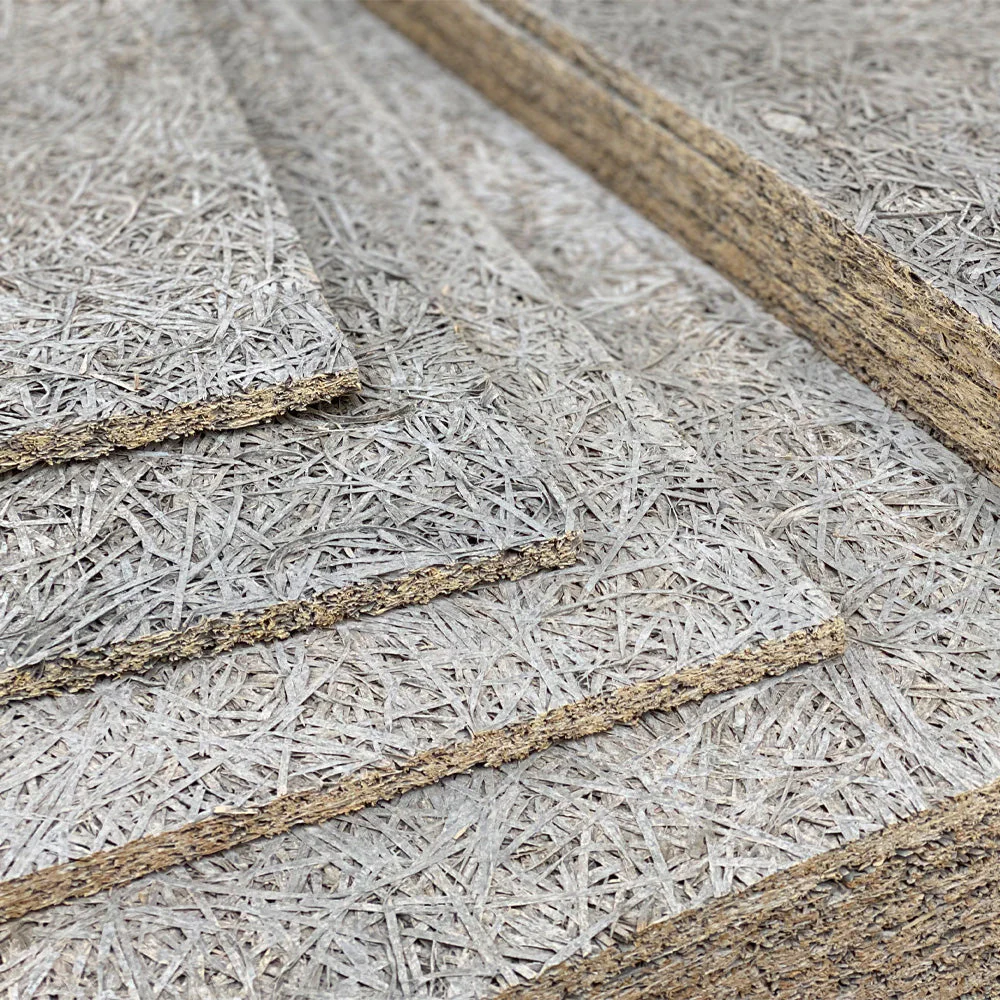
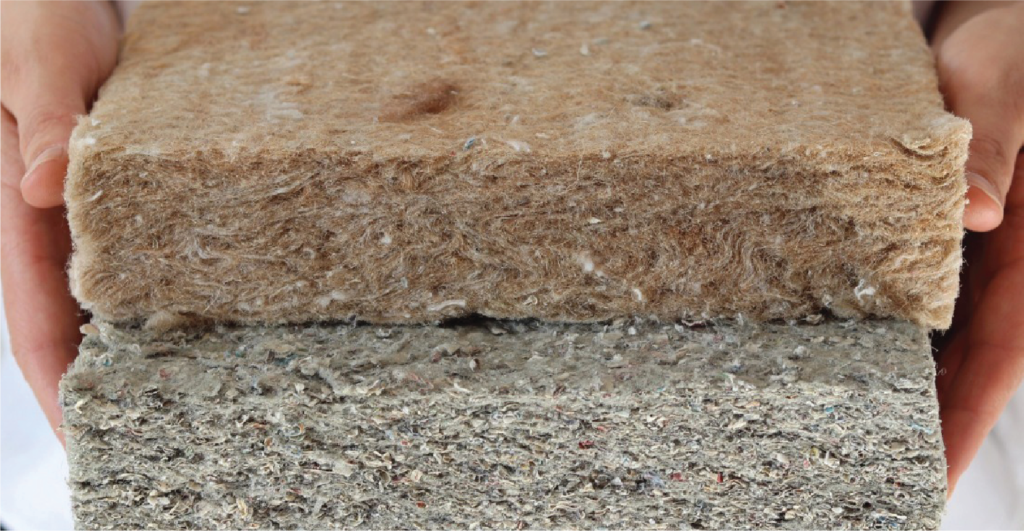
Thermal Insulation Waste consists of recovered insulation materials generated from industrial insulation systems used in high-temperature processes across energy, petrochemical, and manufacturing facilities. The material is primarily reused as a secondary raw material in cement production, refractory manufacturing, construction aggregates, and industrial fillers. Its key value lies in providing a cost-efficient mineral-based feedstock with inherent thermal resistance and lightweight structural properties. As industries increasingly adopt circular material strategies and waste-to-resource solutions, thermal insulation waste has become strategically important for reducing disposal costs while supporting sustainable industrial production.
2. Key Specifications & Technical Characteristics
- Material Composition: Typically composed of mineral wool, fiberglass, ceramic fibers, calcium silicate, perlite, or vermiculite depending on the original insulation type
- Purity Level / Grade: Industrial reclaimed material; composition may vary based on source insulation systems
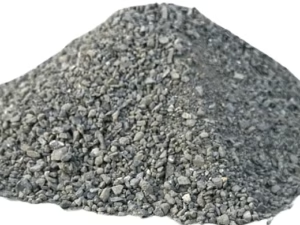
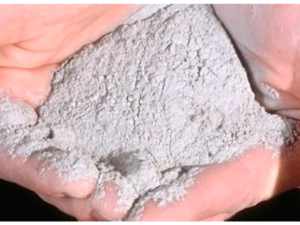
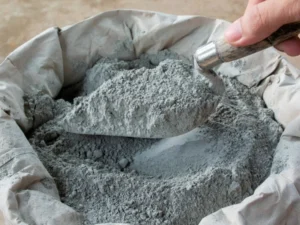
- Physical Form: Fibrous fragments, granules, or crushed insulation particles
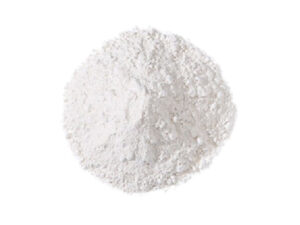
- Color: White, grey, or off-white depending on material composition and thermal exposure
- Particle Size Distribution: Variable; typically processed and screened from fine particles to coarse fragments (approx. 0.5–25 mm depending on processing)
- Bulk Density: Approximately 80–300 kg/m³ depending on insulation type and compaction
- Thermal Stability: Retains high-temperature resistance characteristics inherent to insulation materials
- Packaging Options: Bulk loose cargo, jumbo bags (1 MT), or containerized bulk shipment
- Shelf Life: Indefinite when stored in dry, protected conditions
3. Core Industrial Applications
Thermal Insulation Waste is utilized across multiple industrial sectors that benefit from lightweight mineral materials and heat-resistant components.
- Cement & Clinker Production: Used as a supplementary mineral feedstock in cement kilns where silica, alumina, and calcium components contribute to clinker formation while reducing raw material consumption.
- Refractory & Insulation Manufacturing: Reprocessed as filler material in the production of refractory bricks, insulation boards, and high-temperature construction products.
- Construction & Infrastructure Materials: Incorporated into lightweight concrete, cement blocks, and insulation-based building materials to improve thermal performance and reduce material weight.
- Industrial Filler Applications: Used as a low-density filler material in various manufacturing processes requiring mineral-based additives.
Compared to newly mined raw materials, thermal insulation waste provides a cost-effective alternative while maintaining valuable thermal and structural characteristics, supporting efficient industrial production processes.
4. Competitive Advantages
- Consistent Material Processing: Recovered and processed to deliver stable particle size and manageable handling properties
- Reliable Industrial Supply: Generated from continuous industrial maintenance and insulation replacement activities
- Efficient Logistics: Available for bulk export with flexible packaging and containerized shipping options
- Cost-Effective Raw Material: Lower procurement cost compared to virgin mineral feedstocks
- Environmental Sustainability: Promotes circular material recovery and reduces landfill disposal of industrial insulation waste
- Technical Documentation: Material specifications and composition information available for industrial procurement and regulatory assessment
5. Commercial & Supply Information
- Minimum Order Quantity (MOQ): BULK 20 MT
- Loading Capacity: 20–25 MT per 20-ft container depending on material density and packaging format
Reviews
There are no reviews yet.