Tartaric Acid

£19.20

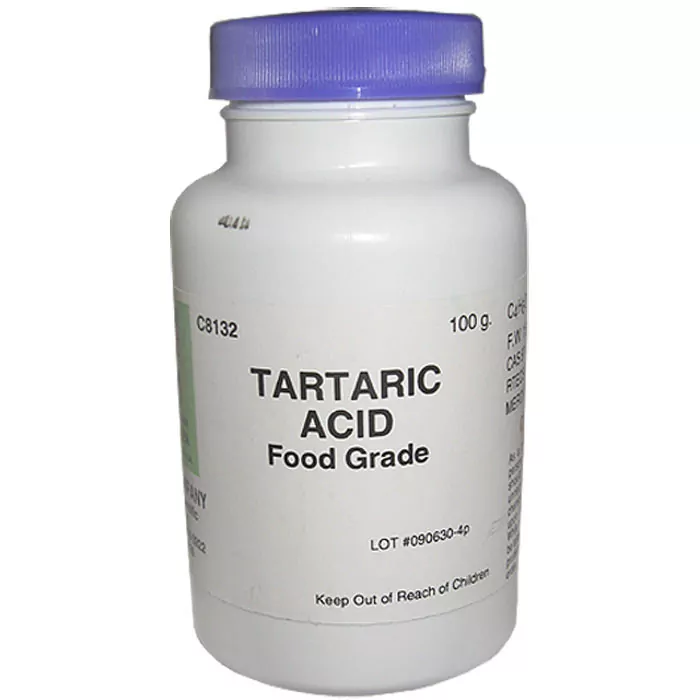
Tartaric acid is a naturally occurring organic acid that is commonly found in various plants, particularly in grapes. It is a key component in winemaking, as it plays a role in the acidity and flavor profile of wine. Tartaric acid is also present in some fruits like tamarinds.

Chemically, tartaric acid has the formula C₄H₆O₆, and its molecular structure consists of two carboxyl groups (–COOH) attached to a central carbon backbone, which is often in the form of a tartaric acid stereoisomer (e.g., D-tartaric acid and L-tartaric acid).

Common Uses:

  1. Winemaking: Tartaric acid is crucial in controlling the acidity of wine. It contributes to the tart, sour taste and helps to stabilize the wine.
  2. Baking: Tartaric acid, often in the form of cream of tartar (potassium bitartrate), is used as a stabilizer in egg whites and as a leavening agent in baking. It’s often used in combination with baking soda to create a chemical reaction that helps baked goods rise.
  3. Food Additives: Tartaric acid is used as an acidulant in soft drinks, candies, and other food products to adjust pH and add a sour flavor.
  4. Cosmetics and Pharmaceuticals: It is sometimes used in cosmetic formulations for its exfoliating properties and in pharmaceutical products for its medicinal properties.

Chemical Properties:

  • Acidity: Tartaric acid is a diprotic acid, meaning it can donate two protons (hydrogen ions) in a reaction.
  • Optical Activity: Tartaric acid has optical isomers, meaning it can exist in different forms that rotate plane-polarized light in different directions. The D- and L-forms are mirror images of each other.
Category:

Description

Tartaric Acid: The Tangy Truth Behind Wine, Baking, and Beyond

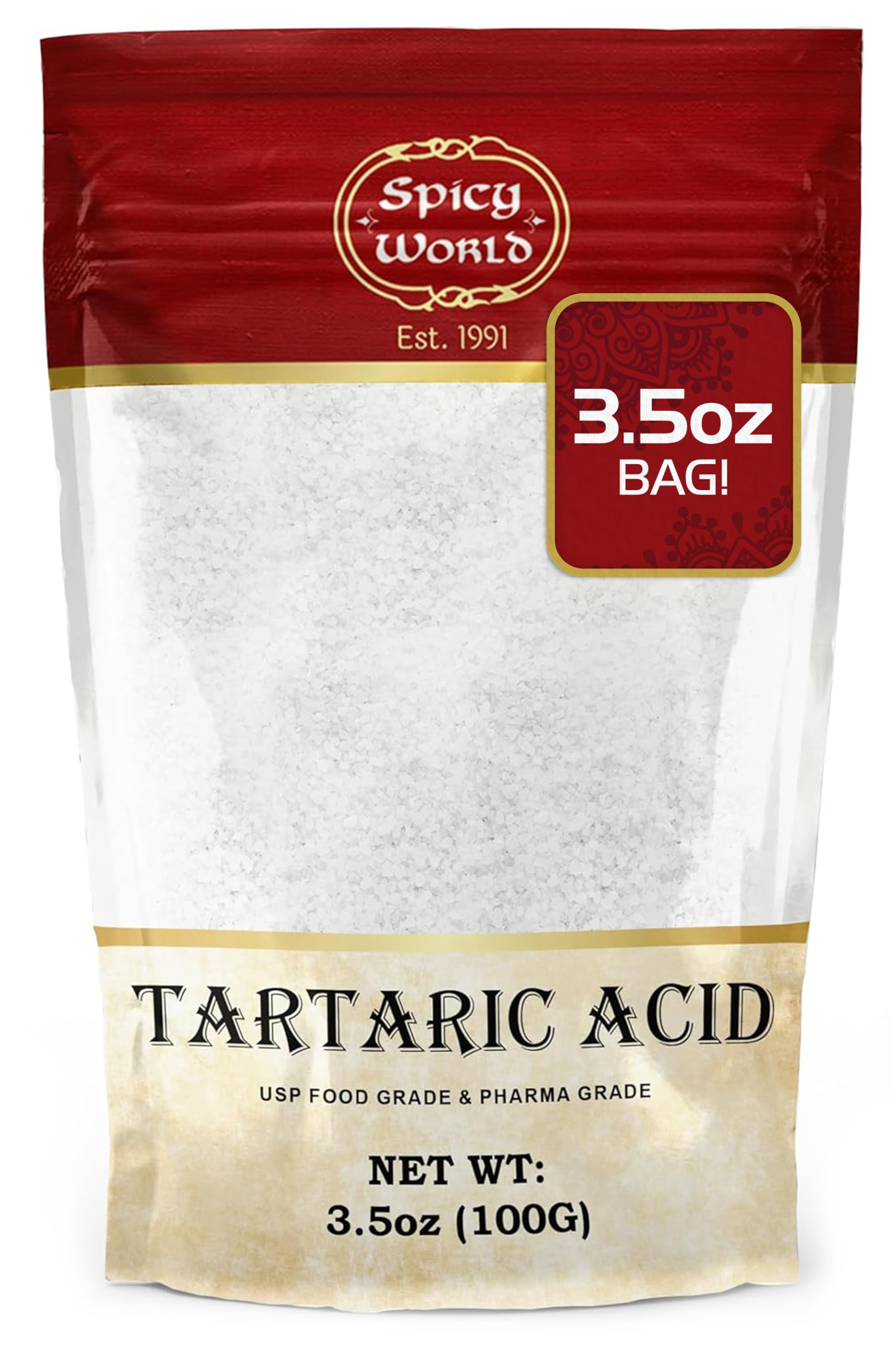
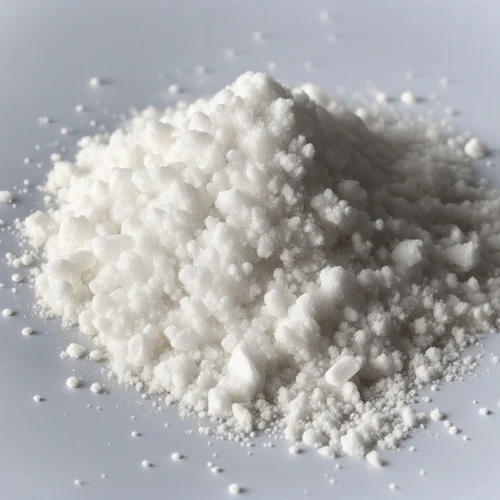
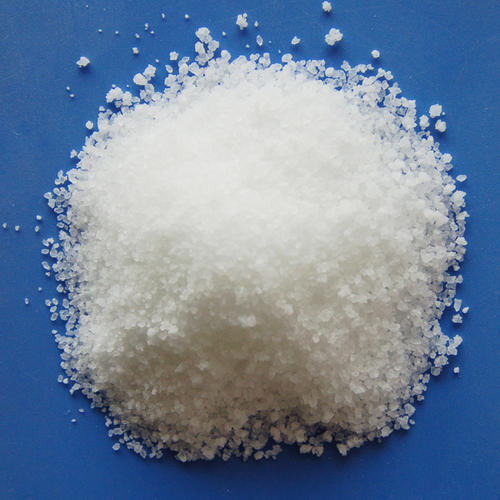
Tartaric acid, a white crystalline organic acid, might not be a household name, but it plays a crucial role in everything from the crispness of your favorite wine to the fluffiness of your homemade baking. This naturally occurring acid is found in various fruits, most notably grapes, and its versatile properties make it a valuable ingredient in food production, winemaking, and even some industrial applications.

A Natural Abundance:

Tartaric acid is prevalent in nature, particularly in grapes. As grapes ripen, they accumulate tartaric acid, contributing to their characteristic tartness. It’s also found in tamarinds, bananas, avocados, and other fruits, although in smaller quantities. During winemaking, tartaric acid precipitates out as potassium bitartrate (cream of tartar) on the sides of fermentation tanks and barrels. This byproduct is then purified and used for a variety of purposes.

The Backbone of Winemaking:

In the world of wine, tartaric acid is a key player. It contributes to:

  • Acidity and Balance: Tartaric acid provides wines with their essential acidity, which counterbalances the sweetness and alcohol, creating a more balanced and enjoyable drinking experience.
  • Flavor Profile: The acidity imparted by tartaric acid influences the flavor profile of the wine, contributing to its crispness, freshness, and overall complexity.
  • Stability: Tartaric acid helps stabilize the wine, preventing unwanted microbial growth and preserving its quality over time.
  • Color: It also plays a role in the color stability of red wines, preventing them from browning prematurely.

Winemakers often adjust the tartaric acid levels in their wines to achieve the desired balance and flavor profile, especially in regions with warmer climates where grapes may naturally have lower acidity.

More Than Just Wine: Uses Beyond the Vineyard:

While its role in winemaking is significant, tartaric acid’s applications extend far beyond the vineyard.

  • Baking Powerhouse: Cream of tartar, a derivative of tartaric acid, is a common ingredient in baking. It’s used to:
    • Stabilize Egg Whites: In meringue-based desserts, cream of tartar helps to stabilize the egg whites, creating a firmer, more stable foam.
    • Prevent Sugar Crystallization: In candies and syrups, it helps to prevent sugar from crystallizing, resulting in a smoother texture.
    • Activate Baking Soda: When combined with baking soda, it creates baking powder, a leavening agent that makes cakes and cookies rise.
  • Culinary Applications: Tartaric acid is also used as a souring agent in certain foods and beverages, contributing a tangy flavor.
  • Industrial Applications: It has applications in the textile industry for dyeing and printing, and in the pharmaceutical industry as a component of certain medications.
  • Cleaning Agent: Tartaric acid’s acidic properties make it a useful cleaning agent, particularly for removing stains and tarnish from metal surfaces.

Safety and Considerations:

Tartaric acid is generally considered safe for consumption in the amounts typically found in food and beverages. However, excessive consumption can lead to digestive discomfort. Individuals with kidney problems should exercise caution.

A Versatile and Valuable Compound:

From enhancing the flavor and stability of wine to contributing to the perfect rise in your baked goods, tartaric acid’s versatility and valuable properties make it a crucial ingredient in a wide range of applications. Next time you enjoy a glass of wine or bite into a fluffy cake, remember the tangy truth behind tartaric acid – a naturally occurring compound that plays a vital role in the taste and quality of the things we enjoy.

Reviews

There are no reviews yet.

Be the first to review “Tartaric Acid”

Your email address will not be published. Required fields are marked *

Add to cart