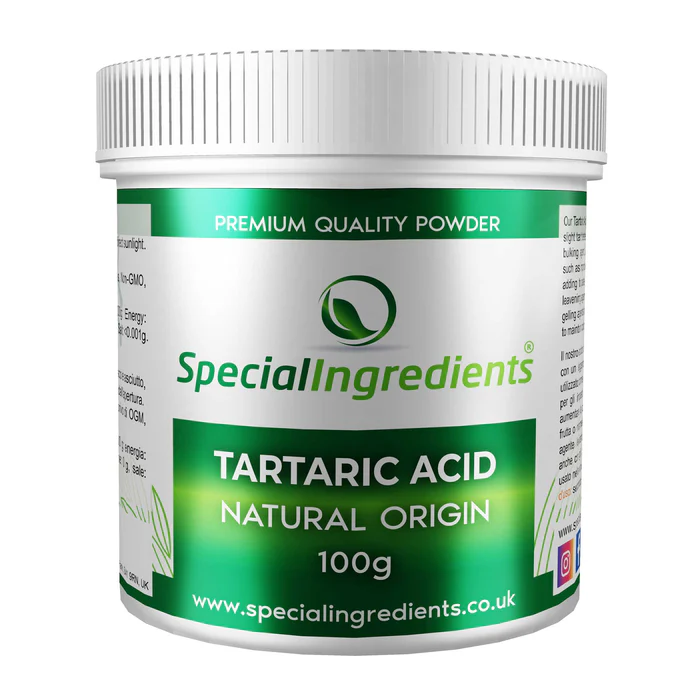
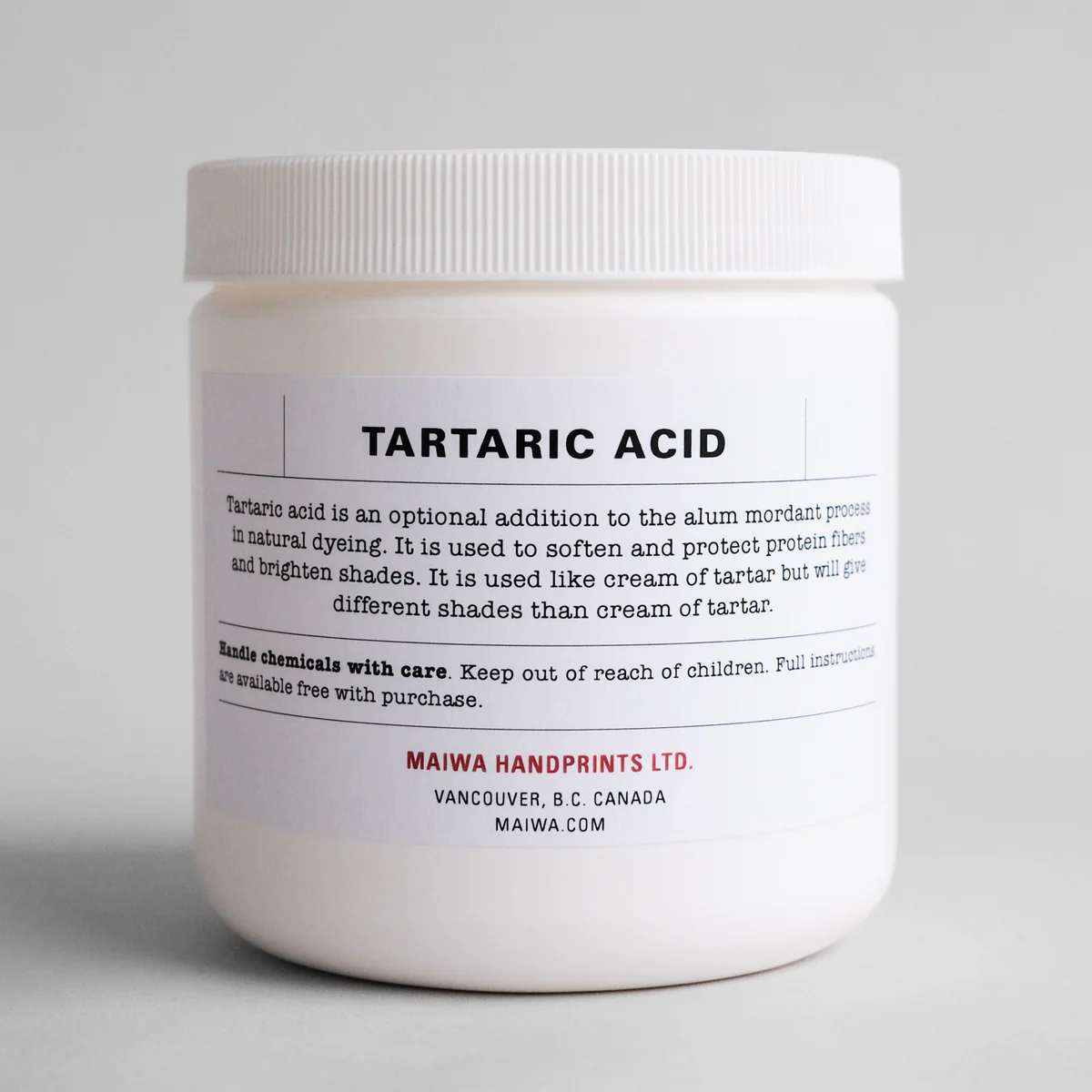
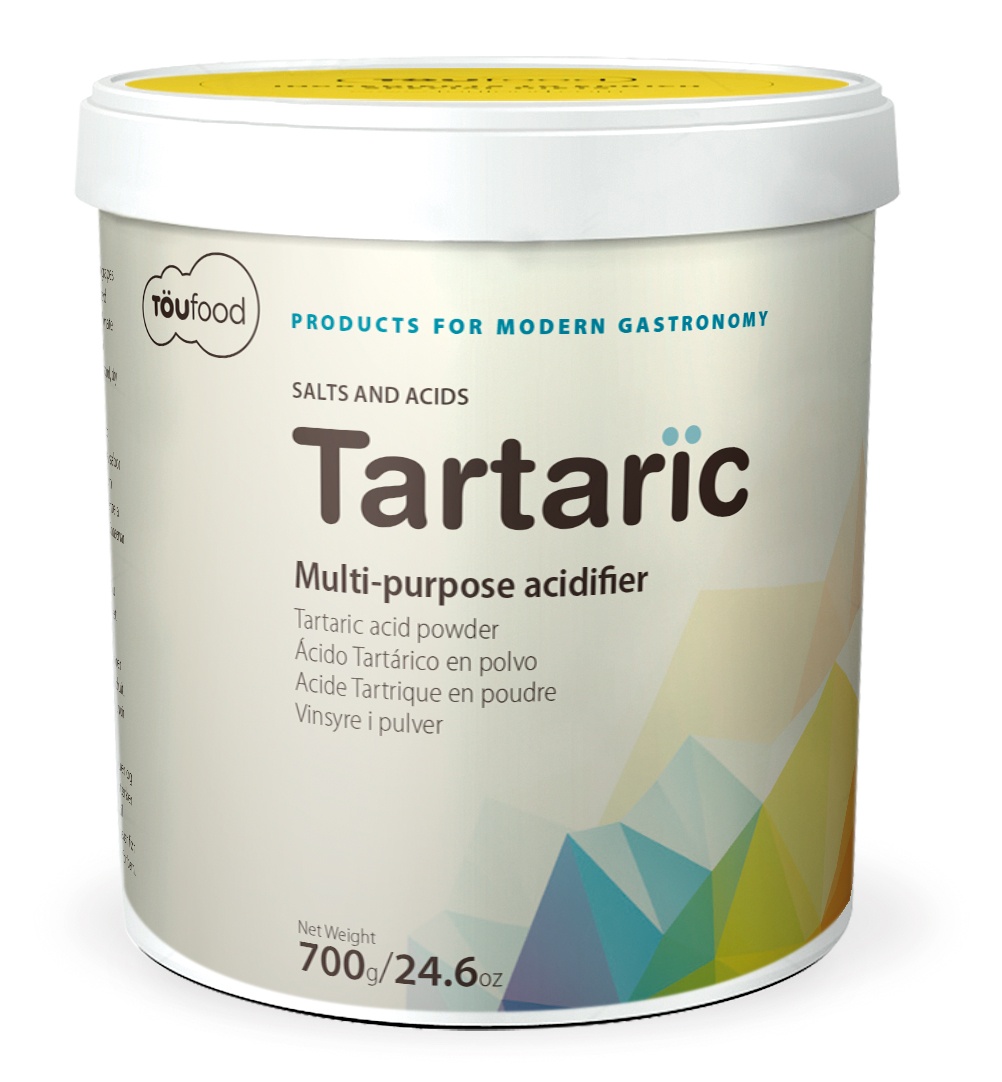
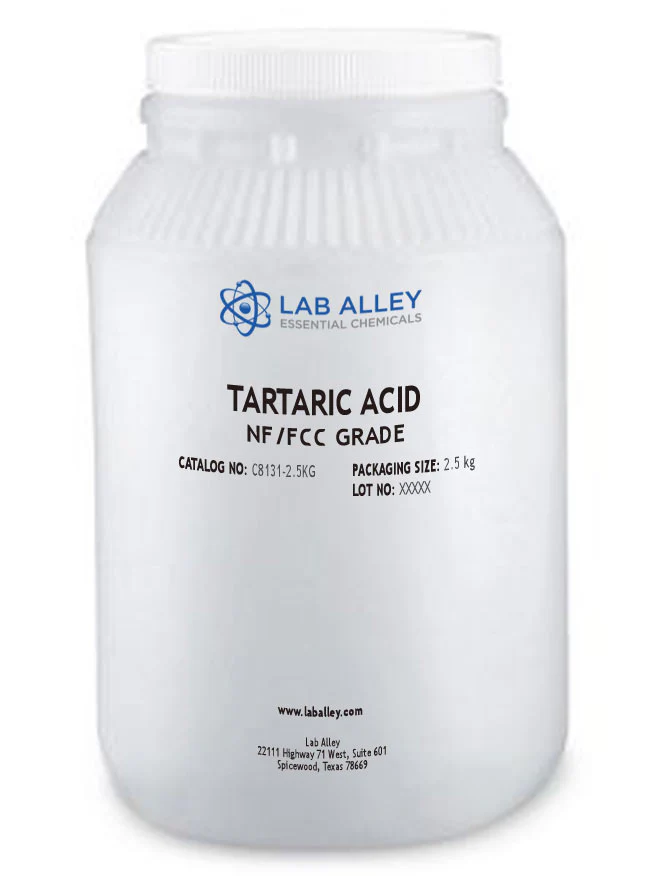
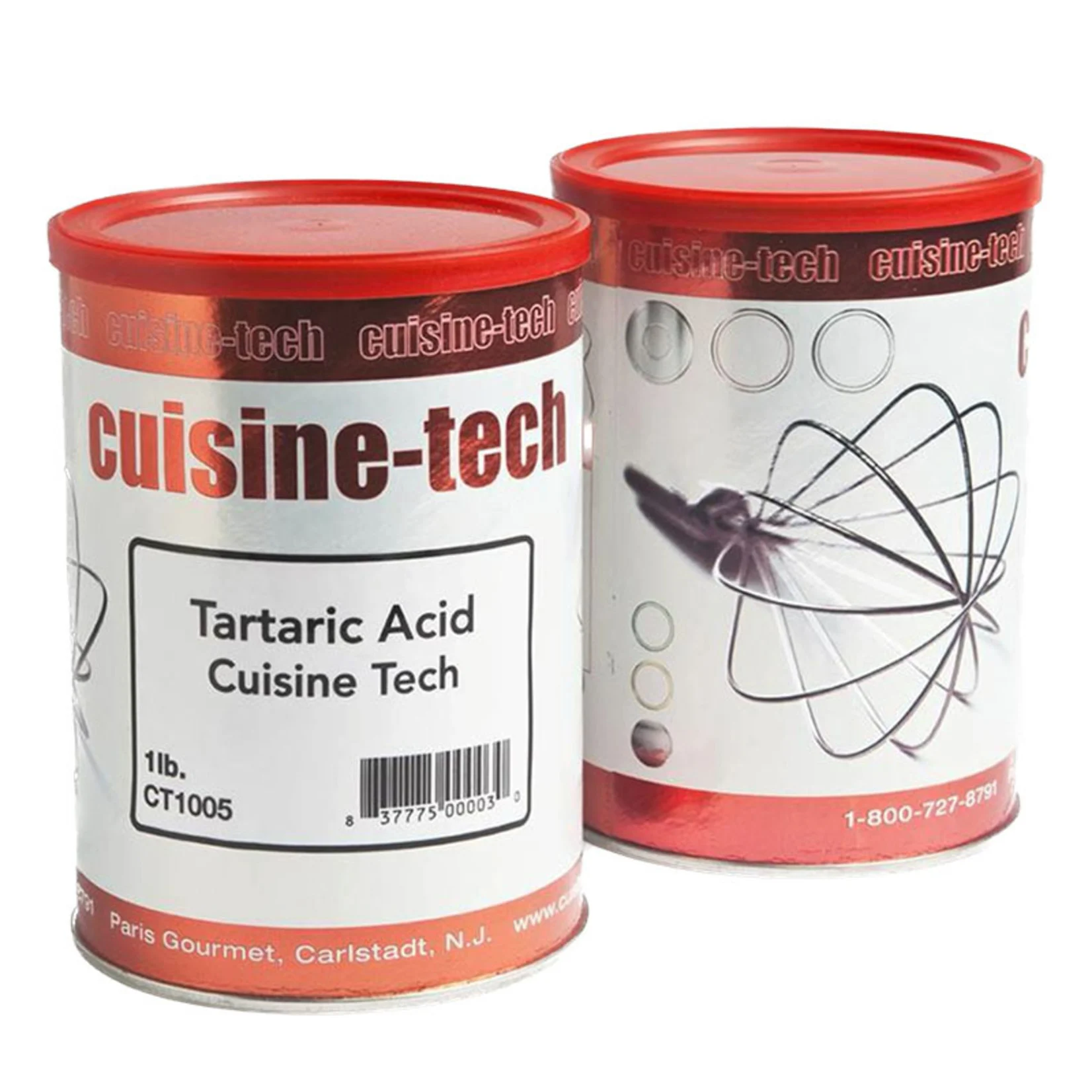
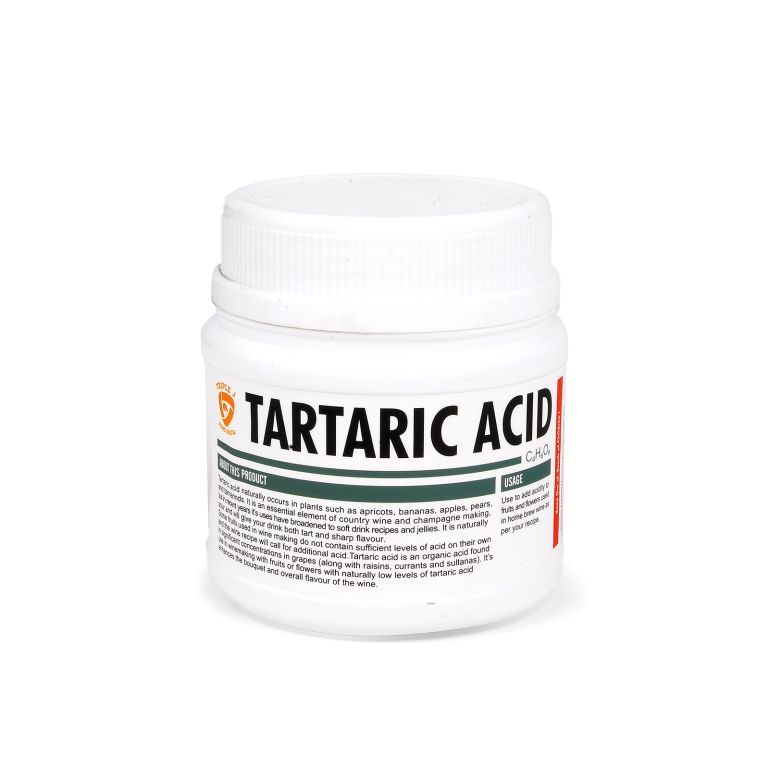
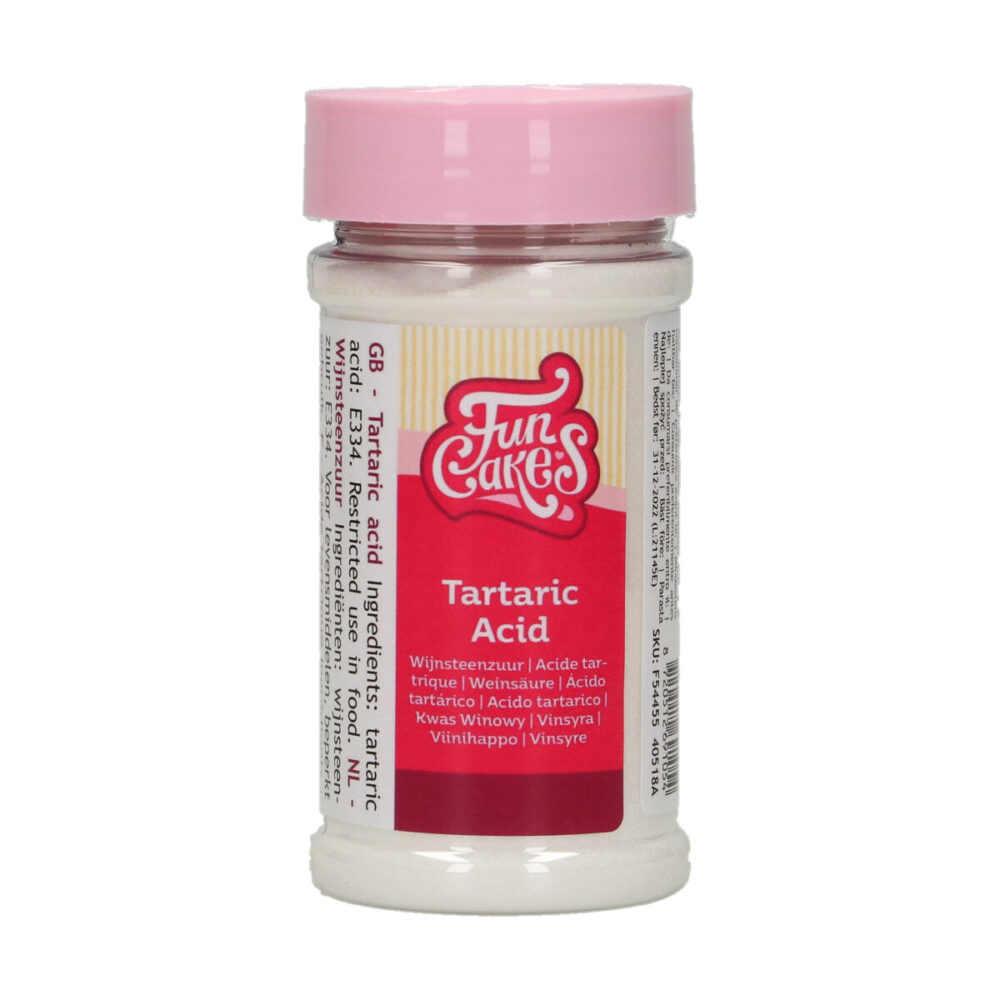
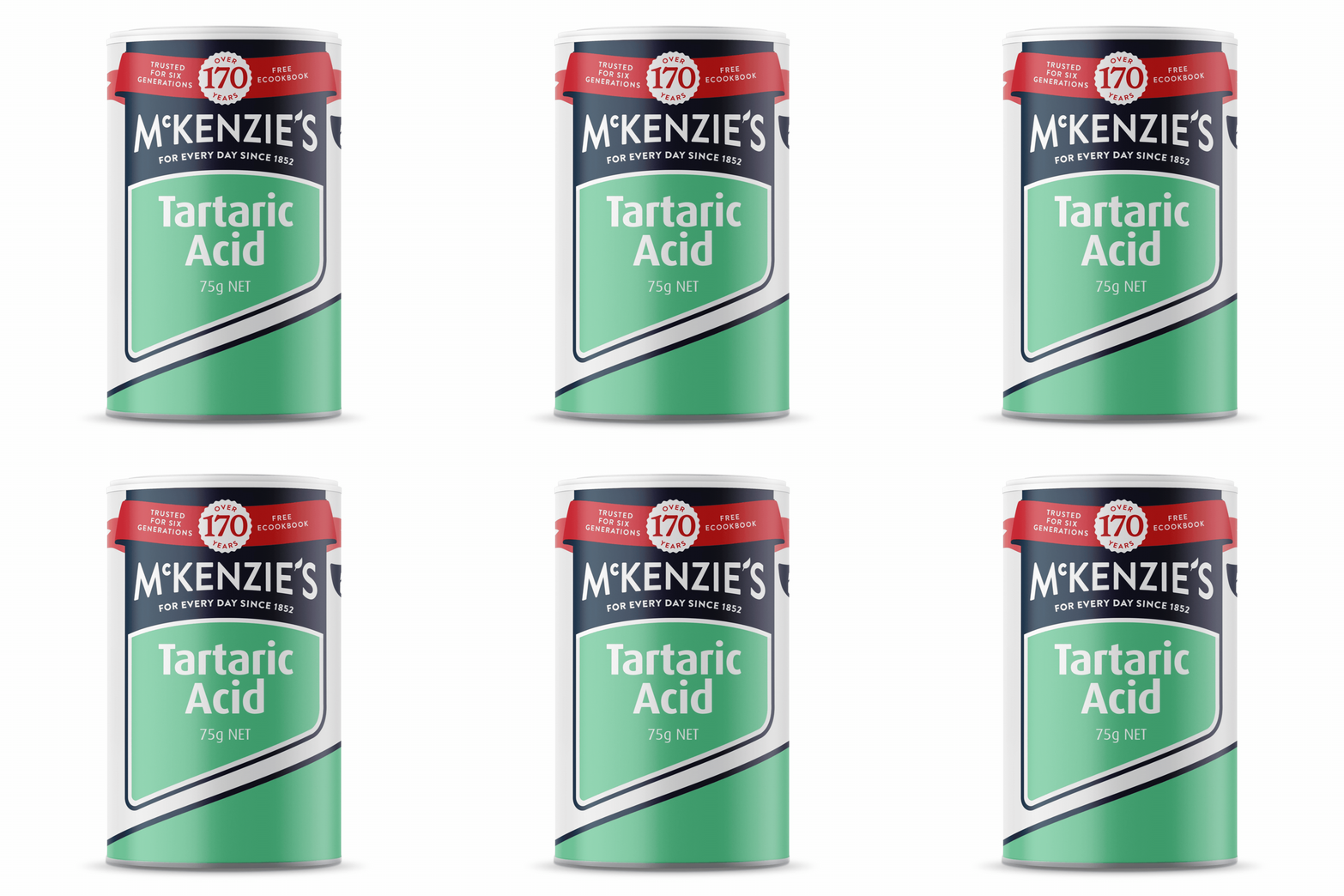
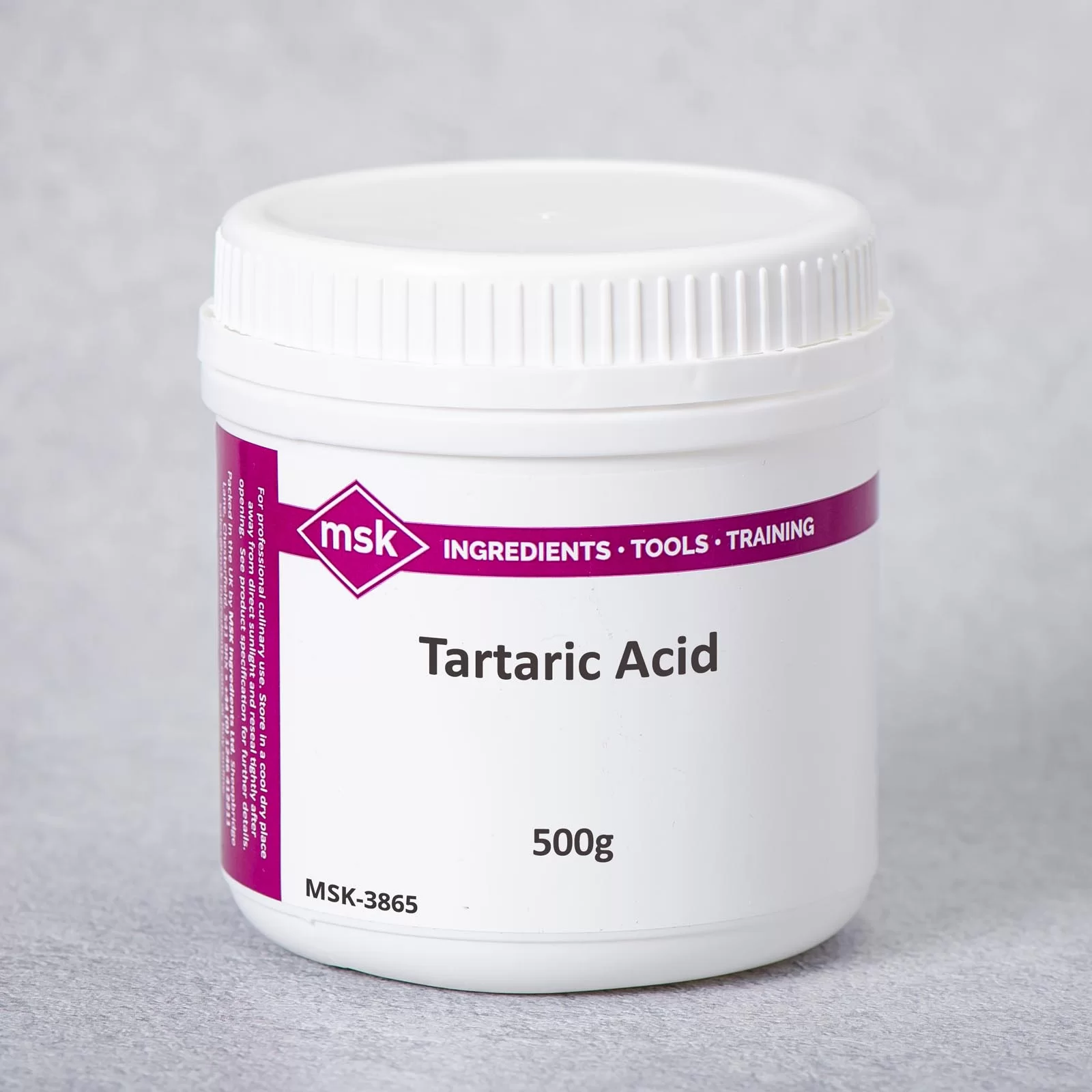
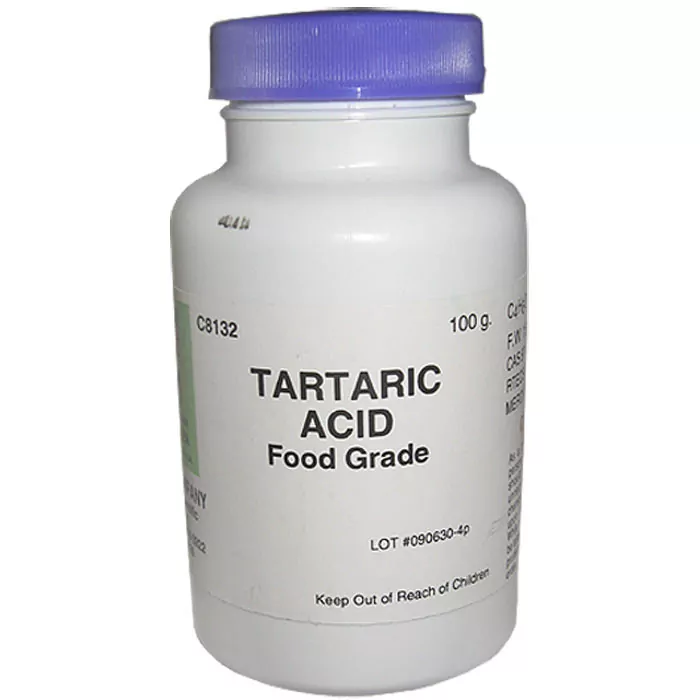
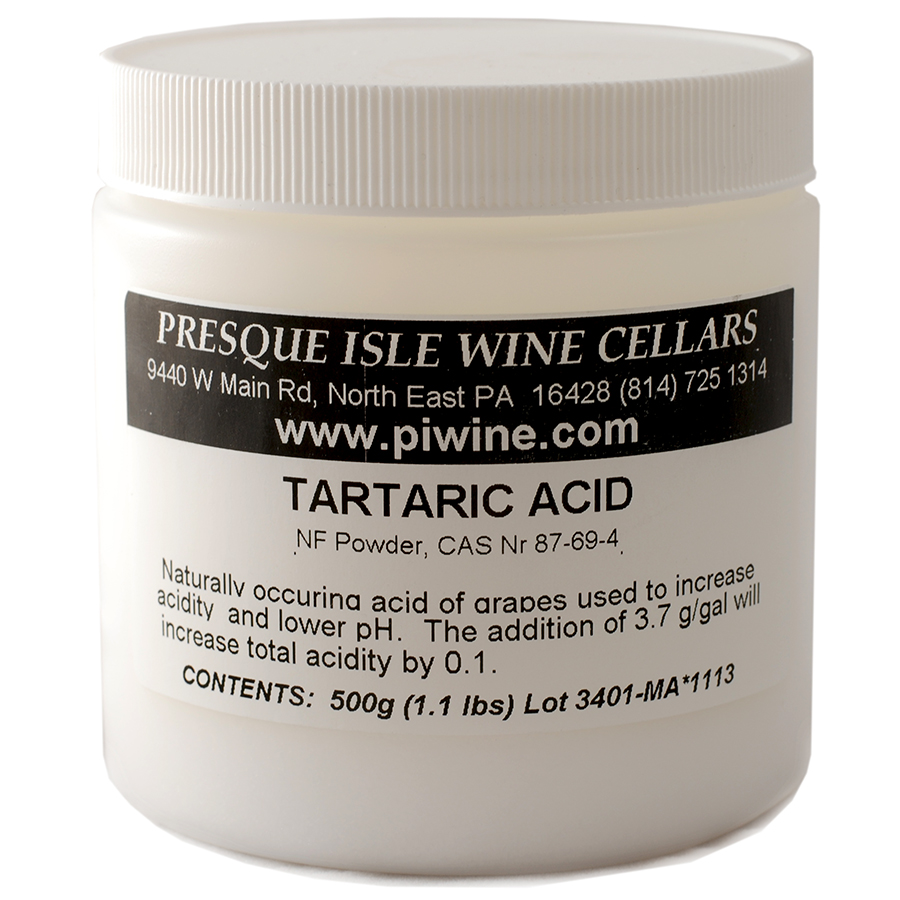
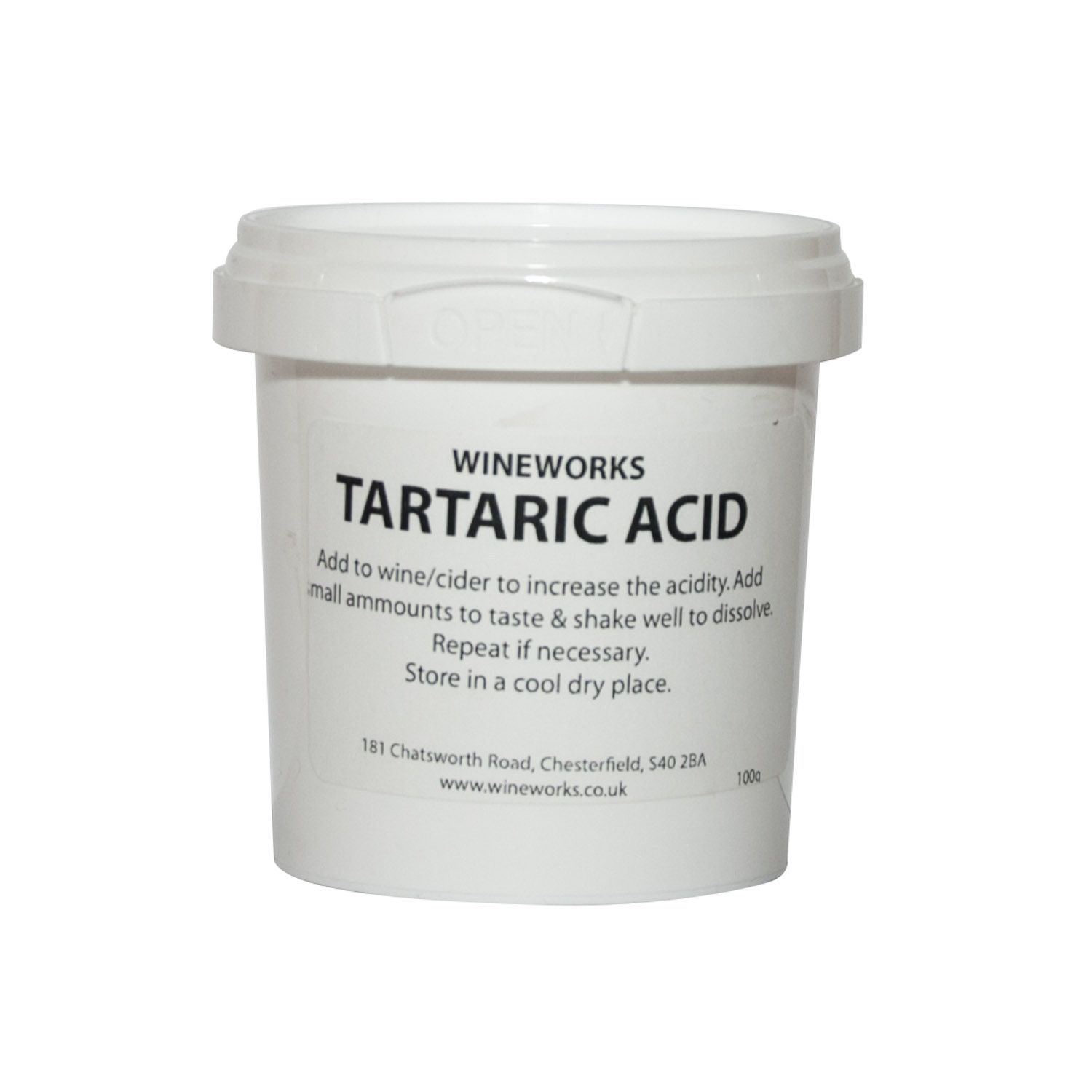
Tartaric acid

£20.30

Tartaric Acid Benefits, Prescription, Nutritional Information, Ingredients

Introduction:
Tartaric acid is a naturally occurring organic acid that is found in many fruits, especially in grapes. It is commonly used in the food and beverage industry as an acidulant, flavor enhancer, and preservative. In this article, we will explore the various benefits of tartaric acid, its prescription uses, nutritional information, and the ingredients it can be found in.

Tartaric Acid Benefits

Tartaric acid has several benefits when consumed in moderation. Some of the main benefits include:

  1. Antioxidant Properties: Tartaric acid is a powerful antioxidant that helps to neutralize harmful free radicals in the body, reducing the risk of chronic diseases such as cancer and heart disease.
  2. Digestive Aid: Tartaric acid has been shown to improve digestion by stimulating the production of digestive enzymes in the stomach, helping to break down food more effectively.
  3. Anti-inflammatory Effects: Tartaric acid has anti-inflammatory properties that can help alleviate symptoms of inflammatory conditions such as arthritis and inflammatory bowel disease.

Prescription Uses

While tartaric acid is primarily used in the food industry, it also has several prescription uses in the medical field. Some common prescription uses of tartaric acid include:

  • Laxative: Tartaric acid is used in some laxative formulations to help relieve constipation by promoting bowel movements.
  • Medication Additive: Tartaric acid is sometimes used as an additive in medications to help improve the absorption of certain drugs in the body.

Nutritional Information

Tartaric acid is a low-calorie acid that contains no fat, protein, or carbohydrates. It is often added to foods and beverages to enhance flavor and preserve freshness. Here is the nutritional information for tartaric acid per 100 grams:

  • Calories: 80
  • Total Fat: 0g
  • Sodium: 2mg
  • Total Carbohydrates: 20g
  • Protein: 0g
    When consumed in small amounts as a food additive, tartaric acid is considered safe for most people. However, individuals with certain medical conditions or allergies should consult with a healthcare provider before consuming products containing tartaric acid.

Ingredients

Tartaric acid can be found in a variety of foods and beverages as a natural acidulant and preservative. Some common ingredients that contain tartaric acid include:

  1. Wine: Tartaric acid is naturally present in grapes and is a key component of wine production.
  2. Jam and Jelly: Tartaric acid is often added to jams and jellies to enhance flavor and act as a preservative.
  3. Soft Drinks: Tartaric acid is frequently used in soft drinks to provide a tart taste and act as a pH regulator.
    In conclusion, tartaric acid offers various benefits, both in terms of health and food production. Whether it’s as a natural antioxidant or a preservative in your favorite foods, tartaric acid plays a vital role in our daily lives. With its prescription uses and nutritional information, it is clear that tartaric acid is a versatile ingredient with many purposes.
    Meta-description: Discover the benefits of tartaric acid, its prescription uses, nutritional information, and the ingredients it can be found in. Learn about this versatile ingredient today!
    Remember, tartaric acid can provide numerous benefits when consumed in moderation, but it is essential to be mindful of any potential allergies or contraindications. Always consult with a healthcare provider before incorporating tartaric acid into your diet or daily routine.

Description

Tartaric Acid: A Ubiquitous Compound with a Tangy Legacy

Tartaric acid, a naturally occurring organic acid with the chemical formula C₄H₆O₆, is a compound that may not be a household name, but its presence is felt far and wide. From the crisp acidity of wine to the rising action of baked goods, tartaric acid plays a crucial role in various industries and even touches our everyday lives. This article delves into the fascinating world of tartaric acid, exploring its origins, properties, uses, and significance.

From Wine Caves to Chemistry Labs: A History Steeped in Flavor

The story of tartaric acid is inextricably linked to wine. In fact, its discovery is attributed to chemists examining deposits in wine barrels, known as “argol” or “cream of tartar.” These crystals, primarily composed of potassium bitartrate, are a natural byproduct of the winemaking process. The name “tartaric” itself is derived from the Greek word “tartaron,” referring to the potassium bitartrate that precipitates during fermentation.

While its presence was known for centuries, Carl Wilhelm Scheele is credited with isolating tartaric acid in 1769. Subsequent research revealed its chiral nature – the existence of molecules with the same chemical composition but different three-dimensional arrangements – making it a crucial subject in the early development of stereochemistry.

A Tangy Profile: Properties and Forms

Tartaric acid is a white, crystalline solid with a distinctively tangy and sour taste. It’s highly soluble in water and alcohol, contributing to its versatility in various applications. Its molecule possesses two chiral centers, leading to the existence of three stereoisomers:

  • L(+)-tartaric acid: The naturally occurring form, predominantly found in fruits like grapes, tamarinds, and bananas.
  • D(-)-tartaric acid: A stereoisomer less common in nature.
  • Meso-tartaric acid: An achiral form with internal symmetry.

These different forms exhibit varying properties and interact differently with other molecules, influencing their suitability for specific applications.

A Multifaceted Role: Uses Across Industries

Tartaric acid’s unique properties make it indispensable in a wide range of industries:

  • Food and Beverage: As a key ingredient in wine, tartaric acid contributes to its characteristic acidity, stability, and flavor complexity. It’s also used as an acidulant in fruit juices, jams, jellies, and candies, providing a refreshing tartness and enhancing the overall sensory experience. Cream of tartar, a derivative of tartaric acid, serves as a leavening agent in baking, stabilizing egg whites and preventing sugar crystallization.
  • Pharmaceuticals: Tartaric acid finds applications in pharmaceutical formulations, acting as an excipient to improve the solubility and bioavailability of active ingredients. It’s also used as a chiral resolving agent, separating enantiomers of certain drugs.
  • Industrial Applications: This versatile acid serves as a sequestering agent in metal cleaning and plating processes, preventing the formation of unwanted precipitates. It’s also used in the textile industry as a mordant, helping dyes adhere to fabrics.
  • Photography: Tartaric acid and its salts played a historical role in photography, particularly in the development of early photographic processes.

More Than Just Sour: The Significance of Tartaric Acid

Tartaric acid is more than just a source of sourness; it’s a testament to the complex chemistry found in nature. Its discovery and subsequent study contributed significantly to the field of stereochemistry, paving the way for a deeper understanding of molecular structure and its impact on chemical properties.

Furthermore, its wide-ranging applications highlight its versatility and importance in ensuring the quality, stability, and palatability of various products we consume and use daily. From the exquisite flavors of wine to the fluffy texture of baked goods, tartaric acid quietly works behind the scenes, contributing to a more flavorful and enjoyable world.

Conclusion:

Tartaric acid, a seemingly simple organic acid, boasts a rich history and a remarkable range of applications. From its origins in the wine industry to its current use in food, pharmaceuticals, and industrial processes, this versatile compound continues to play a crucial role in shaping our world. Its tangy flavor and unique chemical properties have made it an indispensable ingredient, solidifying its place as more than just a sour note, but a fundamental component of modern life.

Reviews

There are no reviews yet.

Be the first to review “Tartaric acid”

Your email address will not be published. Required fields are marked *

Add to cart