

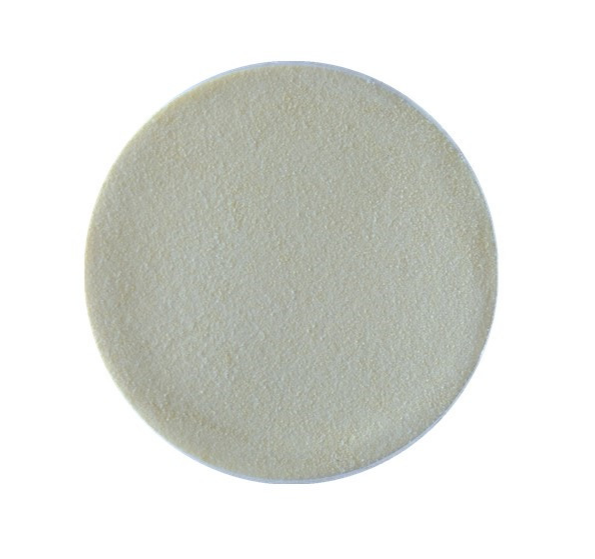
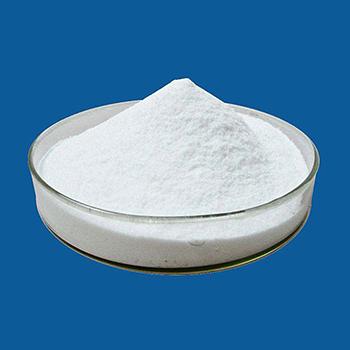
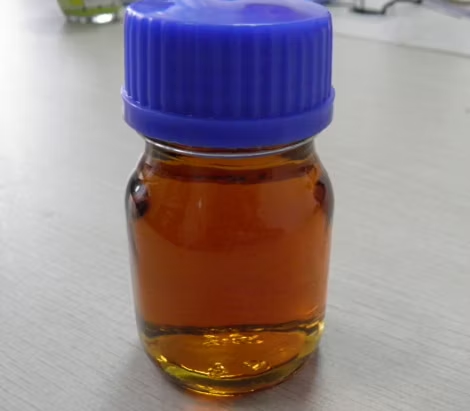
Description
Tannase: The Enzyme Unlocking Flavor and Reducing Astringency
Tannase, also known as tannin acyl hydrolase (EC 3.1.1.20), is an enzyme with the remarkable ability to break down tannins, complex polyphenolic compounds found in a wide array of plants. This ability has made tannase a valuable tool in various industries, from food and beverage processing to pharmaceuticals and leather tanning, offering solutions for improving flavor, reducing astringency, and enhancing product quality.
What are Tannins and Why are They a Problem?
Tannins are a class of complex polymers that are naturally present in numerous plant-based materials, including tea leaves, coffee beans, fruits like grapes and berries, and certain types of wood. They contribute to the characteristic astringent and bitter taste perceived in these products. While tannins can offer health benefits due to their antioxidant properties, their high concentration can lead to undesirable sensory characteristics and even interfere with nutrient absorption.
Tannase: Breaking Down the Complexity
Tannase works by hydrolyzing ester and depside bonds present in tannins. This enzymatic action breaks down the complex tannin molecules into simpler forms like gallic acid and glucose. By reducing the size and complexity of tannin molecules, tannase effectively decreases their ability to bind to proteins in the mouth, which is the primary reason for the astringent sensation.
Applications of Tannase: A Versatile Enzyme Across Industries
The applications of tannase are diverse and continuously expanding due to its unique ability to modify tannin structures. Here’s a closer look at some key applications:
- Food and Beverage Industry:
- Tea Processing: Tannase is widely used in the tea industry to improve the flavor of instant tea, reduce cloudiness in cold tea, and enhance the clarity of tea concentrates. It reduces the astringency and bitterness associated with tannins, creating a smoother and more palatable beverage.
- Wine Production: In winemaking, tannase can be used to reduce astringency and accelerate the aging process. It helps to soften the tannins, resulting in a smoother and more balanced wine with improved mouthfeel.
- Fruit Juice Clarification: Tannase can clarify fruit juices, especially those from berries and apples, by removing tannins that cause haze and discoloration.
- Cocoa Processing: Tannase can be used in cocoa processing to improve the flavor and reduce the astringency of cocoa beans.
- Leather Tanning: Tannase has traditionally been used in leather tanning processes to soften and improve the quality of leather. It aids in the removal of unwanted tannins from the raw hides, leading to a more supple and durable leather product.
- Pharmaceutical Industry:
- Drug Delivery: Gallic acid, a product of tannase activity, has potential applications in drug delivery systems due to its antioxidant and anti-inflammatory properties.
- Enzyme Therapy: Tannase itself is being investigated for its potential therapeutic applications, particularly in treating conditions related to tannin accumulation.
- Feed Industry: Tannase can improve the nutritional value of animal feed by reducing the anti-nutritional effects of tannins present in certain feedstuffs. This can lead to better nutrient absorption and improved animal growth.
Sources of Tannase: From Microbes to Industrial Production
Tannase is primarily produced by microorganisms, including bacteria, fungi, and yeasts. Aspergillus niger and Aspergillus oryzae are commonly used fungal species for industrial tannase production due to their high enzyme yields and ease of cultivation. Research is ongoing to explore new and more efficient microbial sources for tannase production.
The Future of Tannase:
With increasing awareness of the health benefits and potential applications of gallic acid, the demand for tannase is expected to grow in the coming years. Further research is focused on:
- Improving Tannase Production: Developing more efficient and cost-effective methods for tannase production, including genetic engineering of microorganisms for enhanced enzyme yields.
- Expanding Applications: Exploring new applications of tannase in various industries, particularly in the pharmaceutical and nutraceutical fields.
- Enzyme Engineering: Modifying the structure and properties of tannase through protein engineering to enhance its stability, activity, and substrate specificity.
Conclusion:
Tannase is a valuable enzyme with a remarkable ability to modify tannin structures and unlock a wide range of benefits across various industries. From improving the flavor and clarity of beverages to enhancing the quality of leather and exploring potential therapeutic applications, tannase continues to prove its versatility and importance in modern biotechnology. As research and innovation continue, the potential of this enzyme is vast and promises to shape the future of food processing, pharmaceuticals, and other industries for years to come.



Reviews
There are no reviews yet.