

Description
Styrene Maleic Anhydride Copolymer: Properties, Synthesis, and Applications
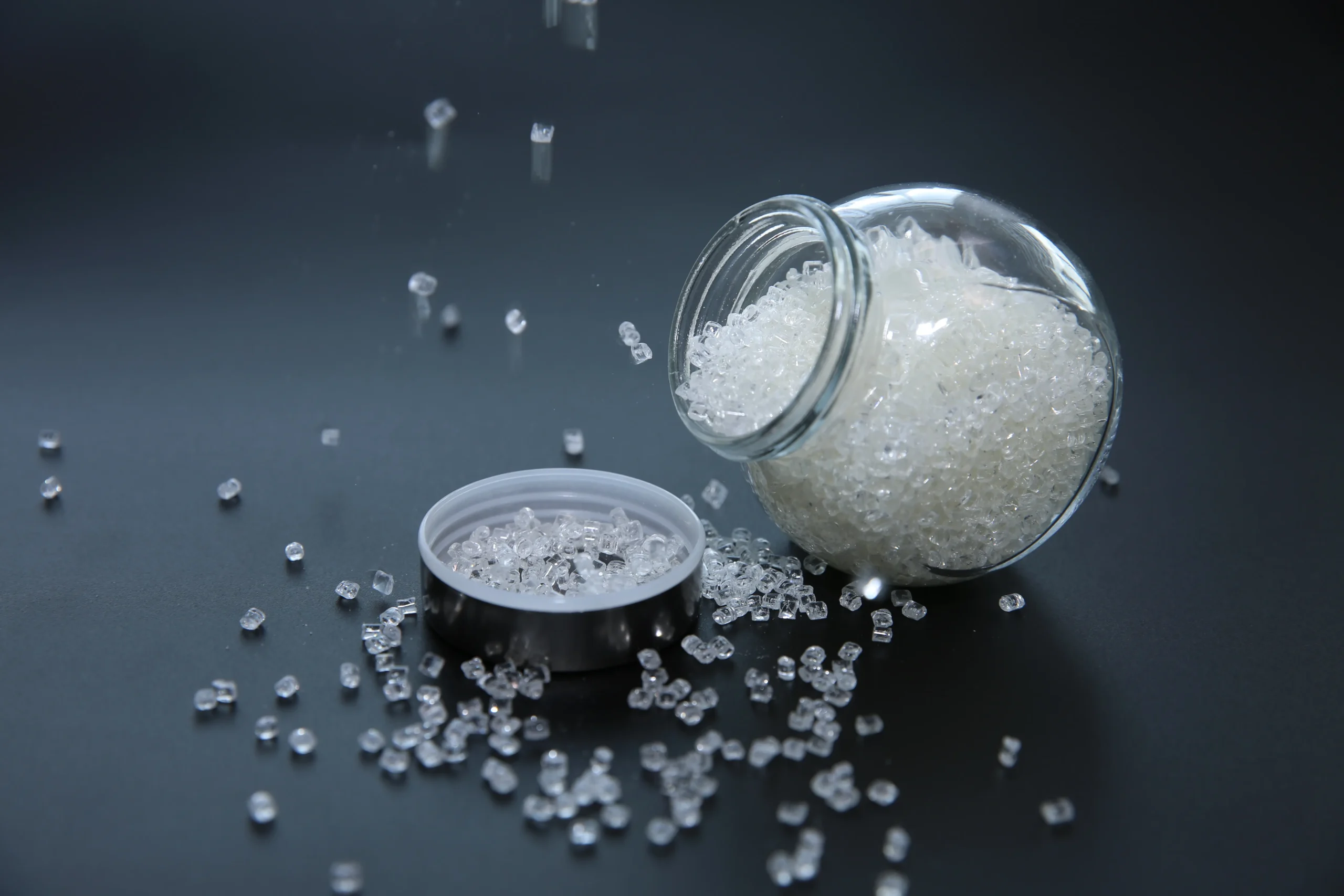
Styrene maleic anhydride copolymer (SMA) is a versatile class of copolymers formed by the copolymerization of styrene and maleic anhydride. Known for its unique combination of thermal stability, mechanical strength, and chemical resistance, SMA has found wide-ranging applications in industries such as plastics, adhesives, coatings, and electronics.
Composition and Structure
Styrene maleic anhydride copolymers consist of styrene units and maleic anhydride units arranged in an alternating or random sequence along the polymer backbone. Styrene, a vinyl aromatic monomer, imparts rigidity and hydrophobicity, while maleic anhydride introduces reactive anhydride groups capable of chemical modification.
The typical copolymerization ratio varies; however, a 1:1 alternating copolymer is common, resulting from the strong tendency of styrene and maleic anhydride to form alternating sequences during radical polymerization. The presence of anhydride functionalities on the polymer chain provides reactive sites for further chemical reactions, facilitating the tailoring of the polymer’s properties.
Synthesis
SMA copolymers are generally synthesized through free radical polymerization of styrene and maleic anhydride in various solvents. Control over reaction conditions—such as temperature, initiator type, solvent, and monomer feed ratio—allows manufacturers to control molecular weight, composition, and copolymer architecture (random or alternating).
In some cases, controlled radical polymerization techniques like reversible addition–fragmentation chain-transfer (RAFT) polymerization are used to achieve narrow molecular weight distribution and precise control over polymer properties.
Physical and Chemical Properties
- Thermal Stability: SMA copolymers exhibit high thermal stability due to the aromatic styrene units and the rigid copolymer backbone.
- Mechanical Properties: Incorporation of styrene provides mechanical strength and rigidity, while maleic anhydride contributes to rigidity and opportunities for cross-linking.
- Chemical Reactivity: Maleic anhydride groups allow for chemical modification via ring-opening reactions with amines, alcohols, and amides, enabling the production of graft or block copolymers and water-soluble derivatives.
- Solubility: SMA copolymers are generally soluble in organic solvents like ketones, esters, and aromatic hydrocarbons, but the anhydride groups limit solubility in water unless hydrolyzed or modified.
Applications
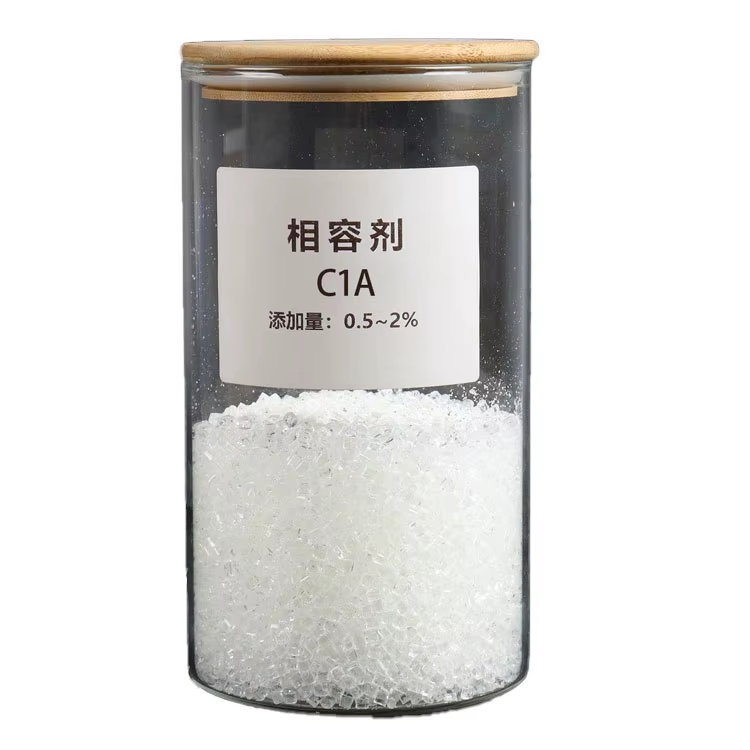
- Adhesives and Compatibilizers: SMA copolymers serve as effective compatibilizers in polymer blends, enhancing interfacial adhesion between dissimilar polymers such as polyolefins and polyamides. Their reactive anhydride groups improve adhesion to substrates, making them useful in hot-melt and pressure-sensitive adhesives.
- Coatings and Paints: Due to their excellent adhesion, chemical resistance, and film-forming abilities, SMA copolymers are employed as binders and modifiers in coatings and paints. They improve durability, gloss, and resistance to environmental factors.
- Engineering Plastics: SMA is used as an impact modifier and processing aid in various engineering thermoplastics, enhancing toughness and melt processability.
- Biomedical Applications: Modified SMA copolymers have potential in drug delivery and biomedical coatings, owing to their ability to be functionalized and their biocompatibility when properly engineered.
- Electronics: SMA copolymers are used in the electronics industry as encapsulants and insulating materials due to their thermal and dielectric properties.
Future Prospects
Research continues to explore novel SMA-based materials with enhanced properties, such as stimuli-responsive polymers, nanocomposites incorporating nanofillers, and biomaterials for sustainable applications. Advances in controlled polymerization and post-polymerization modification expand the versatility of styrene maleic anhydride copolymers, securing their role in advanced material design.
Conclusion
Styrene maleic anhydride copolymers represent an important class of functional polymers with a unique balance of mechanical, thermal, and chemical properties. Their adaptability through chemical modification and capacity to act as compatibilizers and modifiers underpin their widespread industrial use. Continued innovation is likely to extend their applications further, particularly in high-performance materials and environmentally conscious technologies.


Reviews
There are no reviews yet.