
Description
1. Product Overview
Stearates are high-purity metal salts of stearic acid, widely recognized for their multifunctional properties in industrial applications. Primarily utilized as lubricants, stabilizers, and release agents, they enhance processing efficiency and product performance across diverse manufacturing sectors. Their strategic importance lies in delivering consistent quality, superior thermal stability, and chemical inertness, making them a trusted choice for high-demand industrial operations. By enabling smoother production processes and improved material properties, stearates offer measurable operational and cost advantages for industrial buyers worldwide.
2. Key Specifications & Technical Characteristics
- Chemical Composition: Metal stearates (e.g., calcium stearate, magnesium stearate, zinc stearate)
- Purity Level / Grade: ≥ 98% industrial grade
- Physical Characteristics:
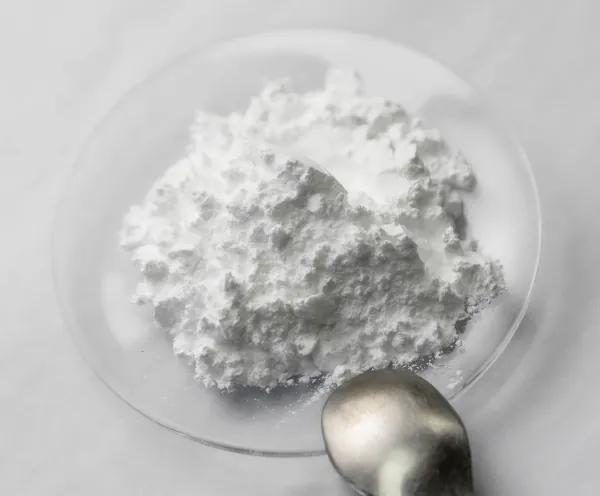
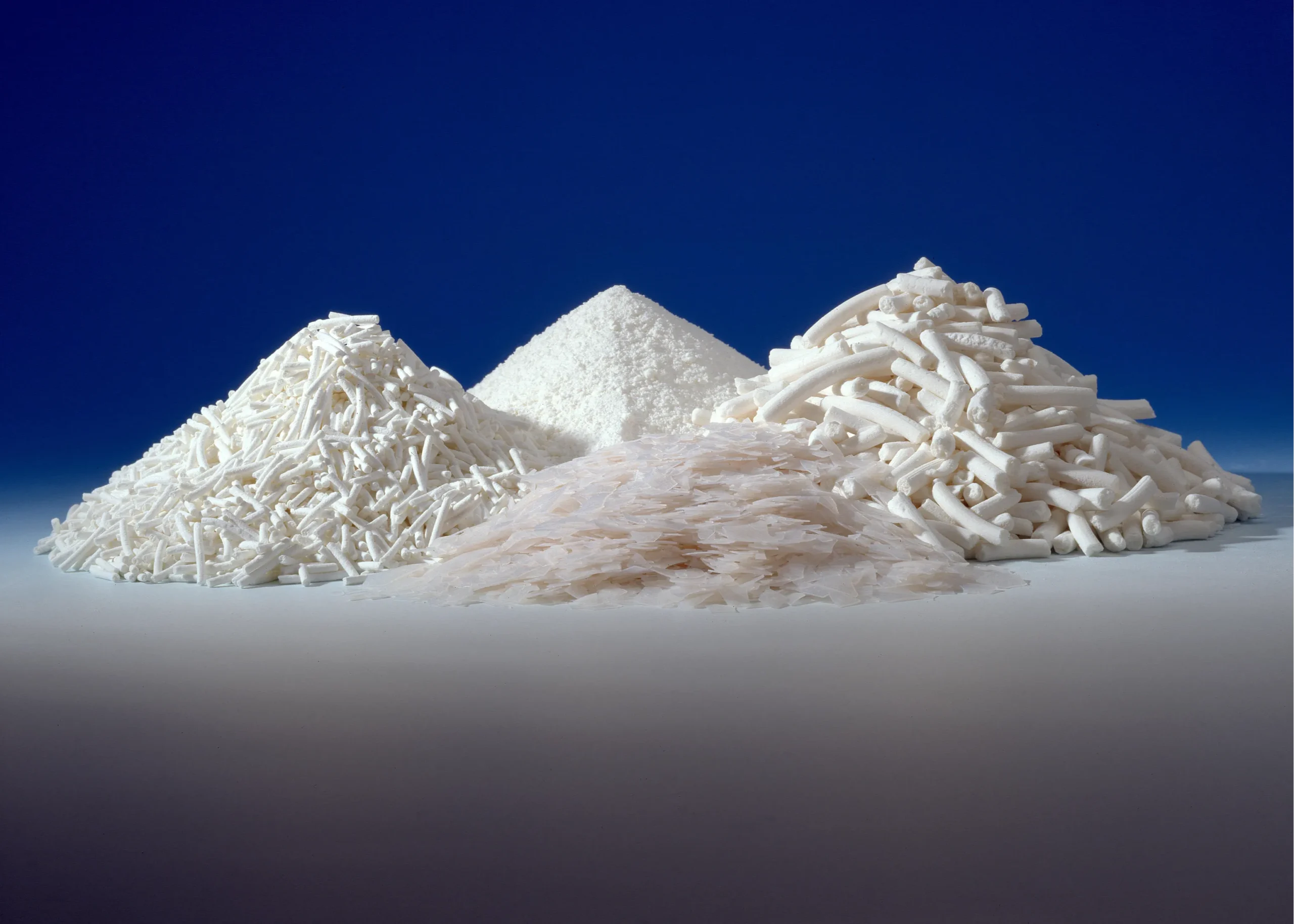
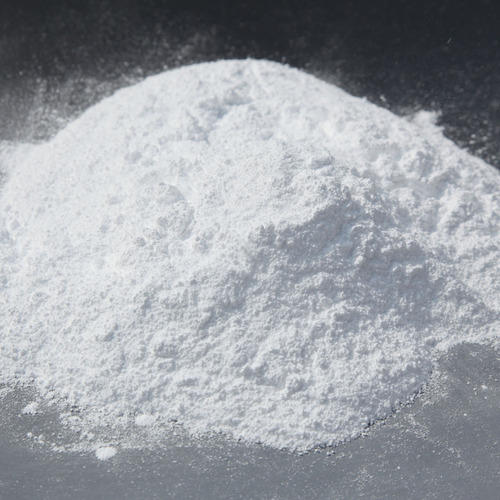
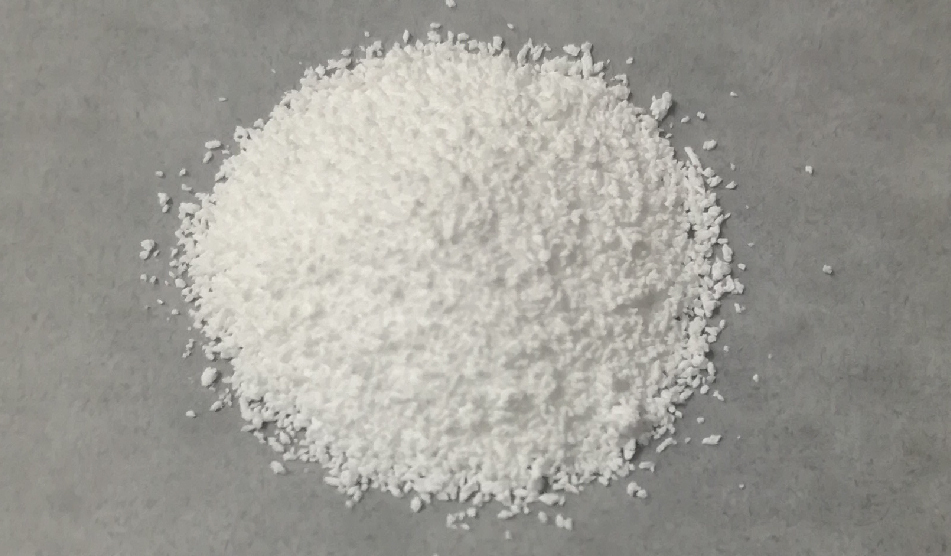
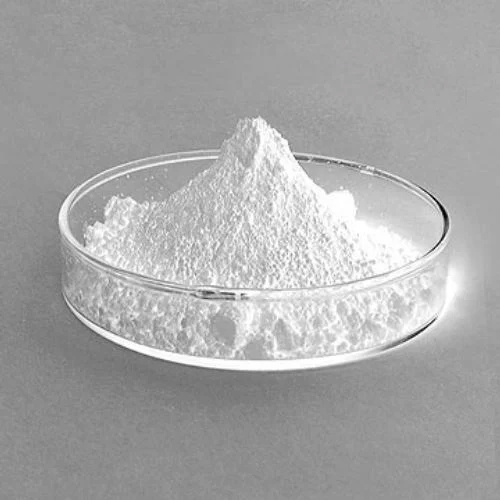
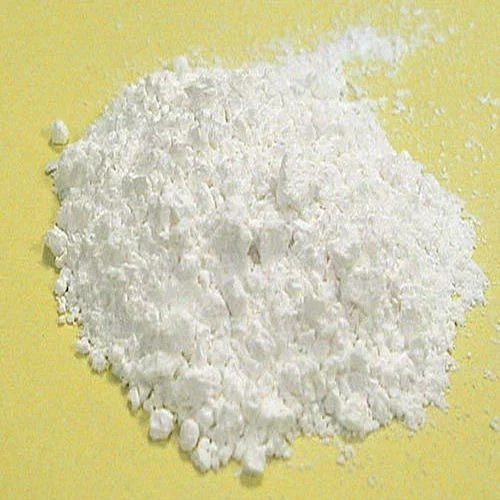
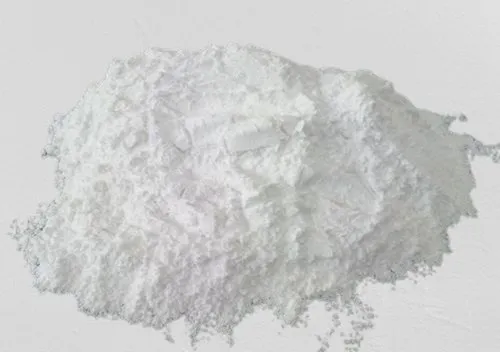
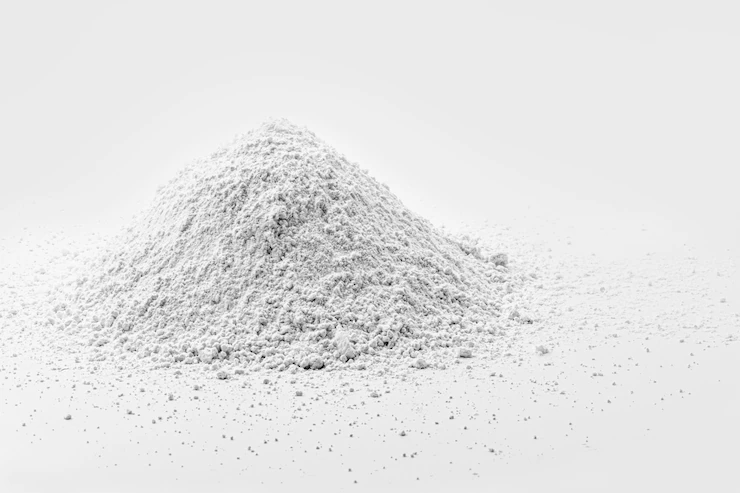
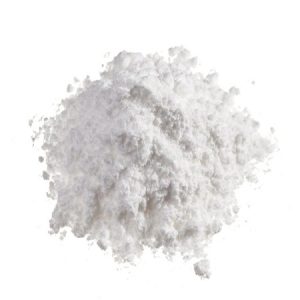
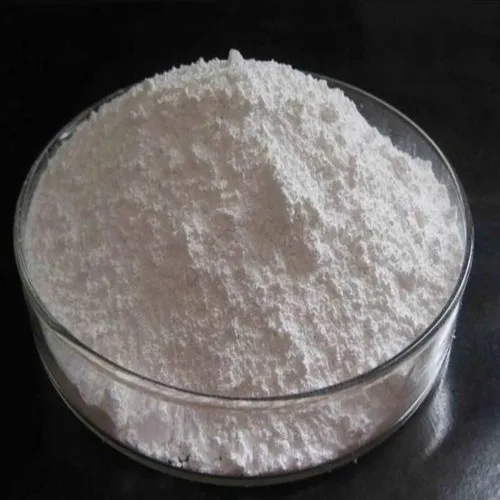
- Form: Fine powder or granules
- Color: White to off-white
- Particle size: 5–50 µm (typical)
- Bulk density: 0.3–0.5 g/cm³ (varies by type)
- Packaging Options: 25 kg kraft bags, jumbo bags, or customer-specified bulk packaging
- Shelf Life: Stable for up to 24 months when stored in a cool, dry environment
3. Core Industrial Applications
- Plastics & Polymers: Acts as internal and external lubricant for extrusion, molding, and injection processes, reducing friction and improving surface finish.
- Rubber & Elastomers: Serves as processing aid and release agent, enhancing material flow and demolding efficiency.
- Cosmetics & Personal Care: Functions as an anti-caking and thickening agent in creams, powders, and lotions.
- Construction & Coatings: Improves water repellency and durability in paints, coatings, and cement additives.
- Performance Advantage: Stearates provide superior dispersibility, thermal stability, and consistent functionality, reducing processing defects and operational downtime compared to alternative additives.
4. Competitive Advantages
- Quality Consistency: Stringent manufacturing controls ensure batch-to-batch uniformity.
- Supply Reliability: Large-scale production capacity with robust inventory ensures uninterrupted supply.
- Logistics Capability: Flexible shipping options for local and global distribution.
- Price Competitiveness: Economical bulk pricing without compromising industrial-grade quality.
- Sustainability: Environmentally friendly production processes and low-impact materials.
- Technical Support: Comprehensive documentation, including safety data sheets and application guidelines, available for industrial buyers.
5. Commercial & Supply Information
- Minimum Order Quantity (MOQ): BULK 20 MT
- Loading Capacity: 20–22 MT per 20-foot container (depending on packaging type)
Stearates represent a strategic sourcing decision for industrial manufacturers seeking reliable, high-performance additives that deliver both operational efficiency and cost-effectiveness.



Reviews
There are no reviews yet.