
Description
1. Product Overview
Stainless Steel Dust is a high-metal-content byproduct generated during grinding, polishing, cutting, and finishing operations of stainless steel components. It serves as a valuable secondary raw material primarily used in stainless steel remelting, alloy recovery, and metallurgical processing. Rich in iron, chromium, and nickel, Stainless Steel Dust provides a cost-efficient alternative to primary alloy inputs while supporting sustainable production practices. As global manufacturers seek to optimize raw material costs and secure stable alloy supply chains, this material represents a strategically important feedstock for modern steel and recycling industries.
2. Key Specifications & Technical Characteristics
- Chemical Composition:
- Iron (Fe) – primary component
- Chromium (Cr) – typically 10%–20% depending on source grade
- Nickel (Ni) – variable content (commonly 2%–10%)
- Trace elements may include molybdenum, manganese, and carbon
- Purity Level:
- Total metallic content typically ranges from 75%–95%
- Controlled non-metallic impurities subject to sorting and processing
- Physical Characteristics:
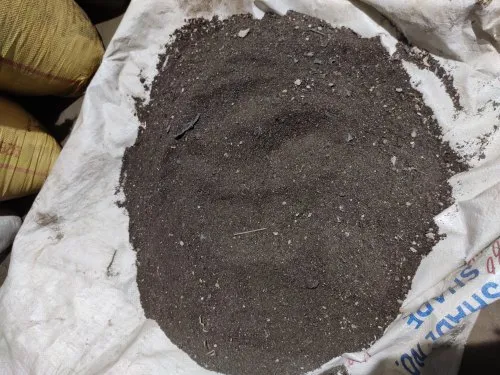
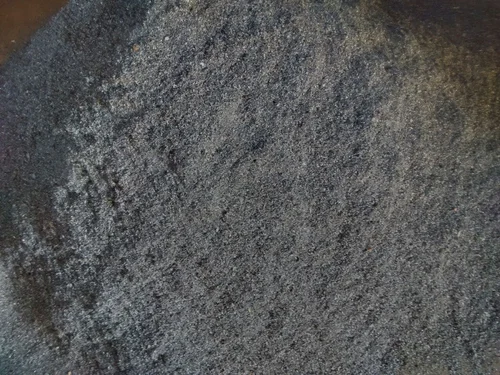
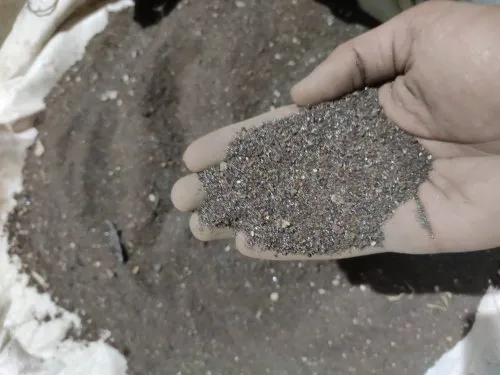
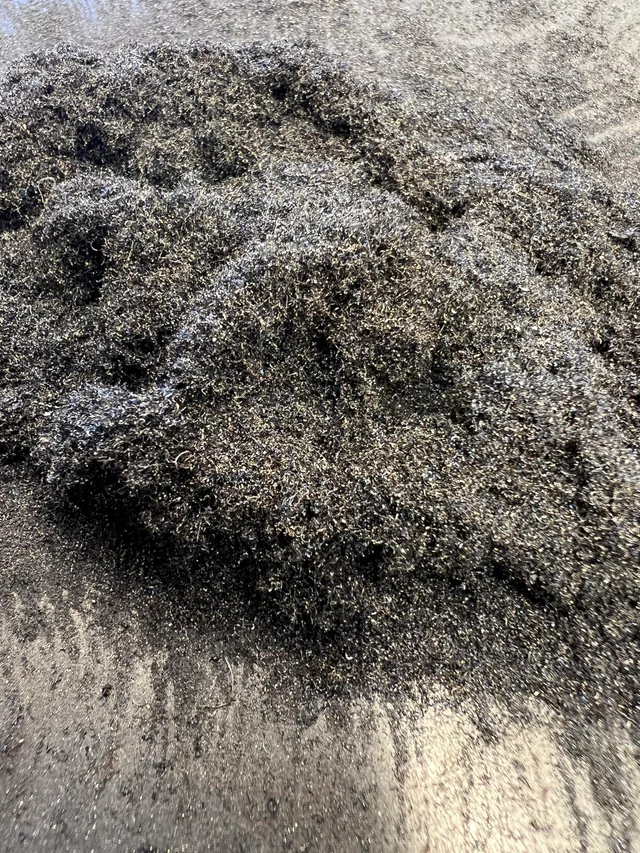
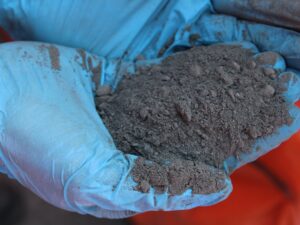
- Form: Fine powder or dust particles collected from industrial filtration systems
- Color: Dark gray to metallic silver-gray
- Particle Size: Typically below 1 mm; fine particulate distribution
- Bulk Density: Approximately 2.0–3.5 g/cm³ (depending on compaction and composition)
- Magnetic Properties: Partially magnetic depending on stainless grade composition
- Packaging Options:
- 1 MT jumbo bags
- Sealed industrial bulk sacks
- Loose bulk loading for container shipment
- Shelf Life:
- Stable under dry storage conditions; moisture control recommended to prevent oxidation or agglomeration
3. Core Industrial Applications
- Primary Industries:
- Stainless steel manufacturing
- Alloy production and specialty steel mills
- Metal recycling facilities
- Foundries and induction furnace operators
- Specific Operational Use Cases:
- Stainless Steel Remelting: Used as a supplementary alloy feedstock in electric arc furnaces (EAF) and induction furnaces.
- Alloy Recovery: Enables recovery of valuable chromium and nickel content for reintegration into stainless steel production.
- Blending Material: Mixed with other scrap grades to optimize chemical composition and reduce overall raw material costs.
- Performance Advantages:
- Cost Optimization: Reduces dependency on high-cost virgin chromium and nickel inputs.
- Material Efficiency: High alloy recovery rate improves furnace yield and melt economics.
- Operational Flexibility: Suitable for blending strategies in various stainless steel grade productions.
- Sustainability Impact: Supports circular metal utilization and reduces industrial waste.
4. Competitive Advantages
- Quality Consistency: Carefully collected, sorted, and processed to maintain stable alloy composition and predictable melt performance.
- Supply Reliability: Scalable volumes supported by established industrial sourcing partnerships and consistent output streams.
- Logistics Capability: Efficient bulk handling systems and optimized international container shipping solutions.
- Price Competitiveness: Structurally lower cost compared to primary ferroalloys and virgin stainless raw materials.
- Sustainability: Contributes to reduced landfill waste and lower carbon intensity in stainless steel production cycles.
- Technical Support & Documentation: Material analysis reports, composition breakdowns, and quality certificates available upon request.
5. Commercial & Supply Information
- Minimum Order Quantity (MOQ): BULK 20MT
- Loading Capacity: 20–25MT per 40-foot container, depending on packaging configuration and material density.

Reviews
There are no reviews yet.