
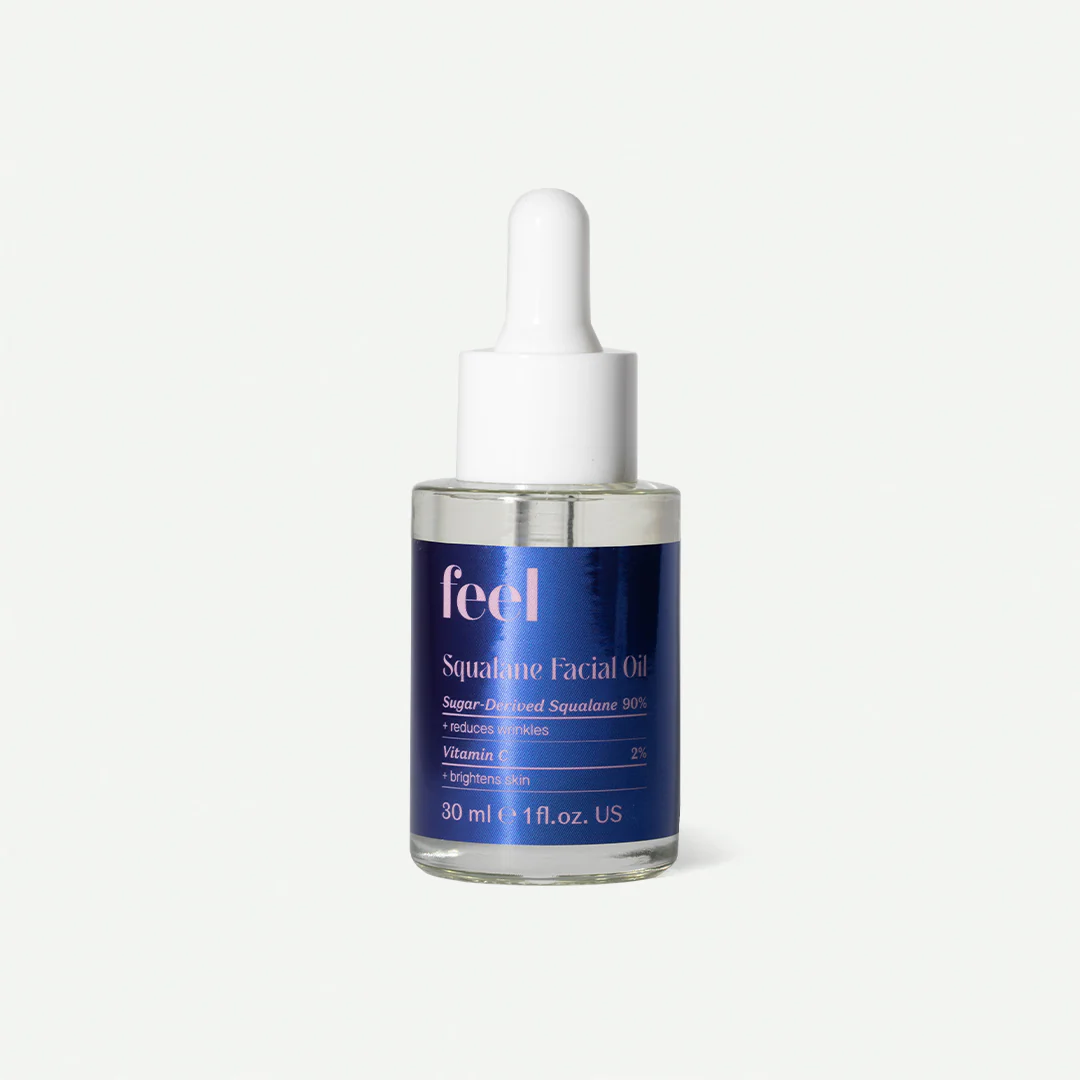
Description
Squalane: The Skincare Hero You (Probably) Haven’t Heard Enough About
In the bustling world of skincare ingredients, it’s easy to get lost in a sea of trendy acids, potent retinoids, and exotic botanical extracts. Yet, sometimes the most effective solutions are the simplest, and often overlooked. Enter squalane, a non-irritating, versatile, and deeply hydrating ingredient that’s steadily gaining recognition as a skincare hero.
But what exactly is squalane and why is it worth adding to your routine? Let’s break it down.
Squalene vs. Squalane: Understanding the Difference
First, it’s important to distinguish between squalene and squalane. Squalene is a natural lipid produced by our own bodies, making up around 10-12% of our skin’s sebum. It plays a crucial role in keeping our skin hydrated and protected. However, squalene is highly unstable, oxidizing easily upon exposure to air and light, leading to clogged pores and potentially contributing to breakouts.
Squalane, on the other hand, is the hydrogenated derivative of squalene. This process makes it stable, shelf-stable, and significantly less prone to oxidation. While our bodies produce squalene, the squalane used in skincare is typically derived from plant sources like olives, sugarcane, rice bran, and sometimes sharks (although this is becoming increasingly less common due to ethical and sustainability concerns).
Why Squalane Should Be a Staple in Your Routine
The benefits of squalane are numerous, making it a suitable ingredient for a wide range of skin types:
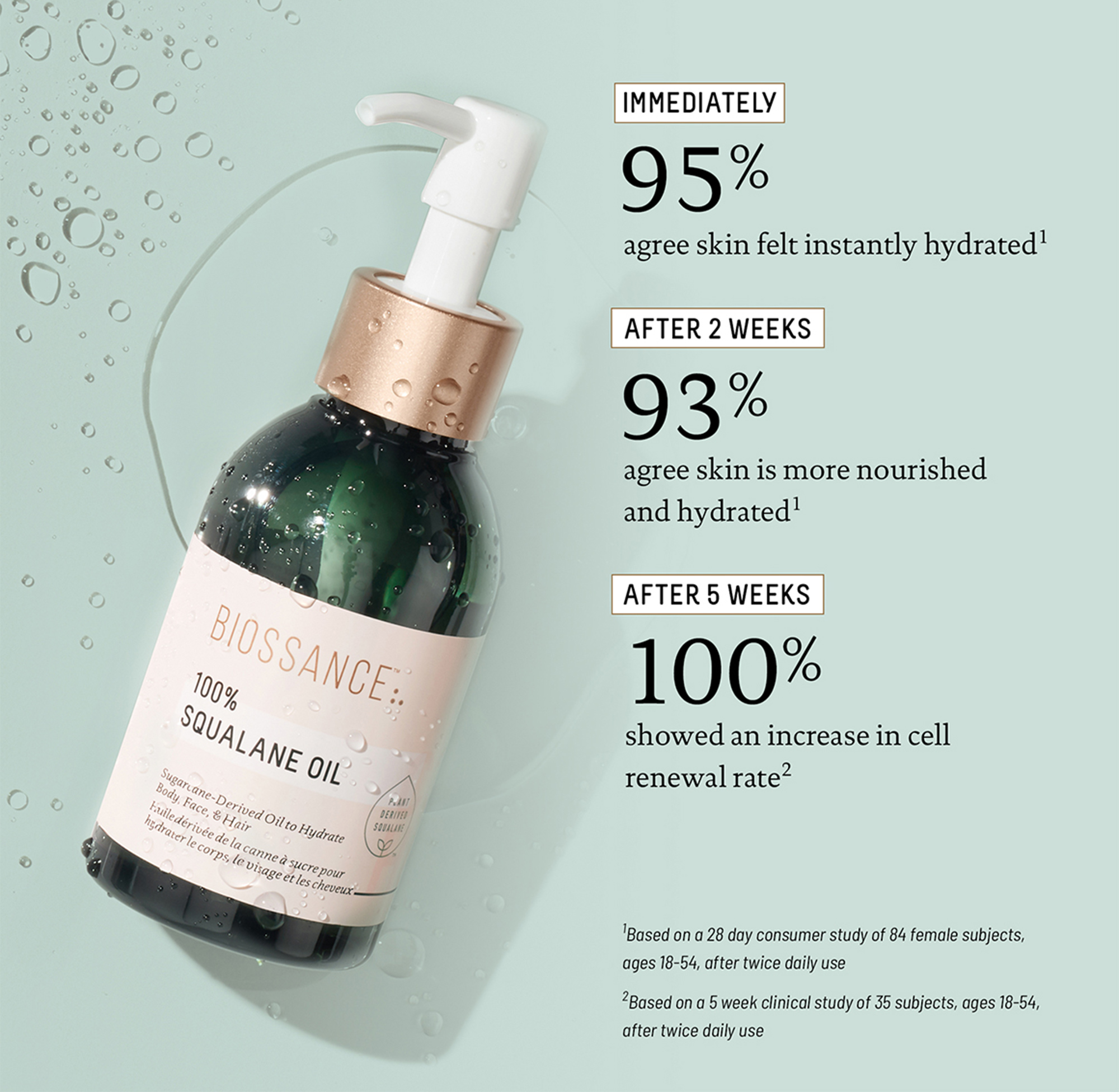
- Intense Hydration: Squalane mimics our skin’s natural oils, making it an excellent emollient. It locks in moisture, leaving skin feeling supple and hydrated without feeling greasy.
- Non-Comedogenic: Unlike some oils that can clog pores, squalane is considered non-comedogenic, meaning it’s unlikely to cause breakouts, even for those with oily or acne-prone skin.
- Suitable for Sensitive Skin: Its gentle and non-irritating nature makes squalane a great option for sensitive, reactive, or eczema-prone skin. It can help soothe irritation and promote healing.
- Antioxidant Properties: Squalane boasts antioxidant properties, helping to protect the skin from environmental damage caused by free radicals, such as pollution and UV rays.
- Improved Skin Texture and Tone: By deeply hydrating and protecting the skin, squalane can contribute to a smoother, more even skin texture and tone over time.
- Versatile Ingredient: Squalane can be easily incorporated into various skincare steps. It can be used as a standalone moisturizer, added to existing creams or lotions, or used as a cleansing oil.
How to Incorporate Squalane into Your Routine
Adding squalane to your skincare regimen is easy. Here are a few suggestions:
- As a Moisturizer: Apply a few drops of squalane oil to clean, damp skin after cleansing and toning.
- Mixed with Other Products: Add a drop or two of squalane to your favorite moisturizer, serum, or foundation for an added boost of hydration.
- As a Cleansing Oil: Use squalane as a gentle and effective oil cleanser to remove makeup and impurities.
- To Condition Hair: A few drops of squalane can add shine and tame frizz.
The Takeaway
Squalane is a powerful yet gentle skincare ingredient that deserves a spot in your routine. Its hydrating, protective, and versatile nature makes it a valuable addition for all skin types, especially those seeking a simple, effective, and non-irritating way to improve their skin’s health and appearance. So, next time you’re browsing the skincare aisle, keep an eye out for this unsung hero – your skin will thank you.


Reviews
There are no reviews yet.