
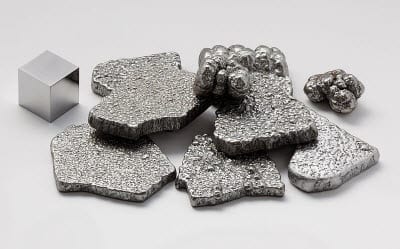
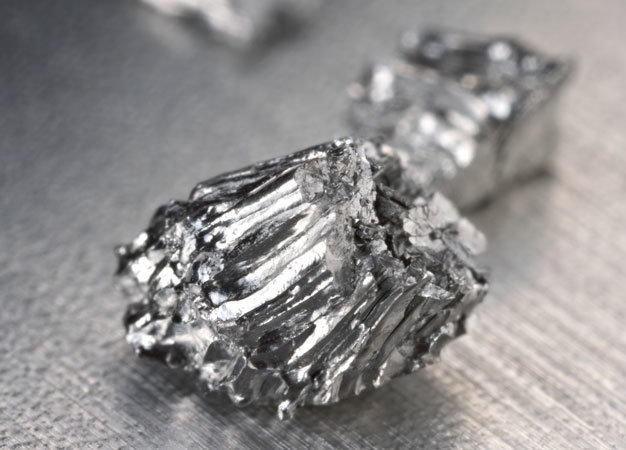
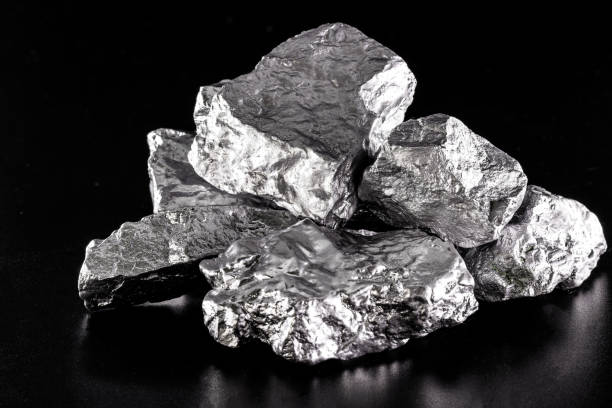
Description
1. Product Overview
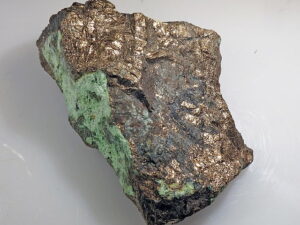
Spent Iron Catalyst is a recovered catalytic material generated from industrial chemical and petrochemical processes where iron-based catalysts are used to accelerate key reactions. Despite reaching the end of its primary catalytic lifecycle, the material retains significant metal value and functional properties, making it highly suitable for metal recovery, secondary catalytic processing, and industrial raw material applications. Industrial buyers leverage spent iron catalysts as a cost-effective feedstock for recycling, metallurgy, and catalyst regeneration operations. As global industries increasingly prioritize circular resource utilization and cost-efficient sourcing, spent iron catalyst has become a strategically valuable material in the secondary metals and catalyst recovery market.
2. Key Specifications & Technical Characteristics
- Chemical Composition: Primarily Iron (Fe) with trace elements such as Aluminum (Al), Silicon (Si), Potassium (K), Calcium (Ca), and other process-derived compounds
- Purity / Grade: Industrial-grade recovered catalyst material with high iron content suitable for recycling and recovery operations
- Physical Form: Granules, pellets, powder, or irregular catalyst fragments depending on source process
- Color: Dark grey to black
- Particle Size: Typically 1–10 mm (varies by production source and crushing process)
- Bulk Density: Approximately 0.9 – 1.4 g/cm³
- Moisture Content: Typically low; can be conditioned depending on storage requirements
- Packaging Options: Bulk jumbo bags, bulk loose loading, or customized industrial packaging
- Shelf Life: Stable for long-term storage under dry and controlled industrial storage conditions
3. Core Industrial Applications
Spent Iron Catalyst is widely utilized across multiple industrial sectors where metal recovery and secondary catalytic materials are required.
Primary Industries:
- Metal recovery and recycling industry
- Catalyst regeneration and refining sector
- Metallurgical processing plants
- Chemical manufacturing industry
- Steel and alloy production facilities
Operational Use Cases:
- Recovery of iron and associated metals through hydrometallurgical or pyrometallurgical processes
- Feedstock material for catalyst regeneration facilities
- Secondary raw material for metallurgical smelting operations
- Industrial raw input for iron-based compound manufacturing
Performance Advantages:
- Provides a lower-cost alternative to virgin metal feedstocks
- Enables efficient metal recovery due to high iron concentration
- Reduces operational sourcing costs for smelters and recycling processors
- Supports circular industrial supply chains by converting waste catalysts into valuable resources
4. Competitive Advantages
- Consistent Quality: Carefully sourced and processed spent catalyst streams ensuring reliable composition profiles
- Reliable Supply: Stable bulk availability suitable for continuous industrial procurement programs
- Efficient Logistics: Global export capability with optimized bulk handling and containerized shipments
- Price Competitiveness: Cost-efficient alternative to primary iron-bearing raw materials
- Sustainability Benefits: Supports circular economy initiatives by enabling recovery of valuable metals from industrial catalysts
- Technical Documentation: Material information and technical details available to support buyer evaluation and processing requirements
5. Commercial & Supply Information
- Minimum Order Quantity (MOQ): BULK 20 MT
- Loading Capacity: 20–25 MT per container depending on packaging and destination regulations

Reviews
There are no reviews yet.