
Description
1. Product Overview
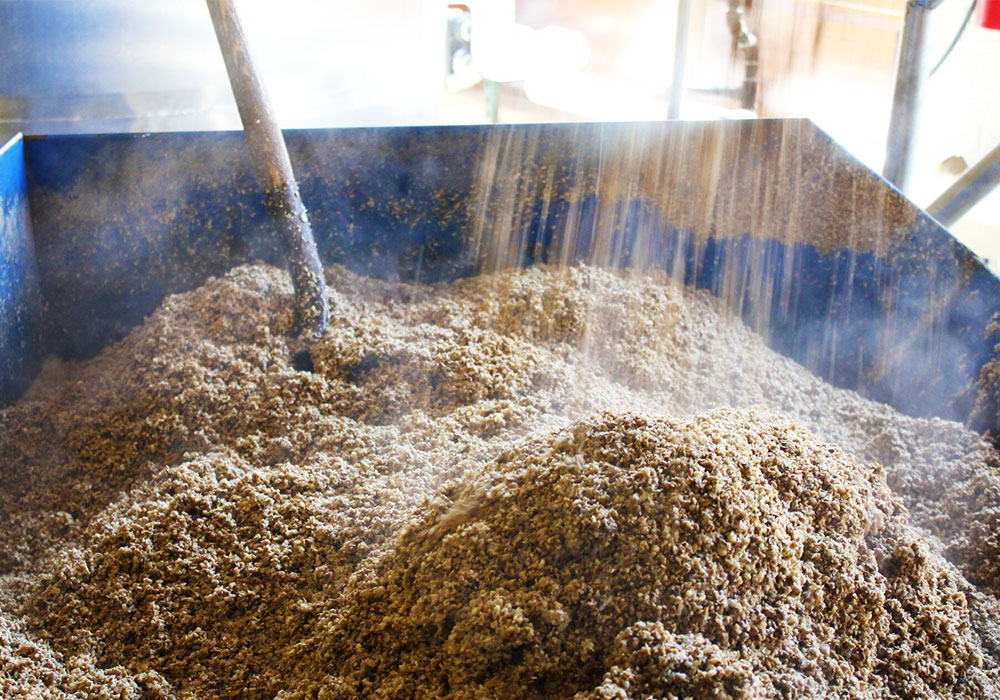
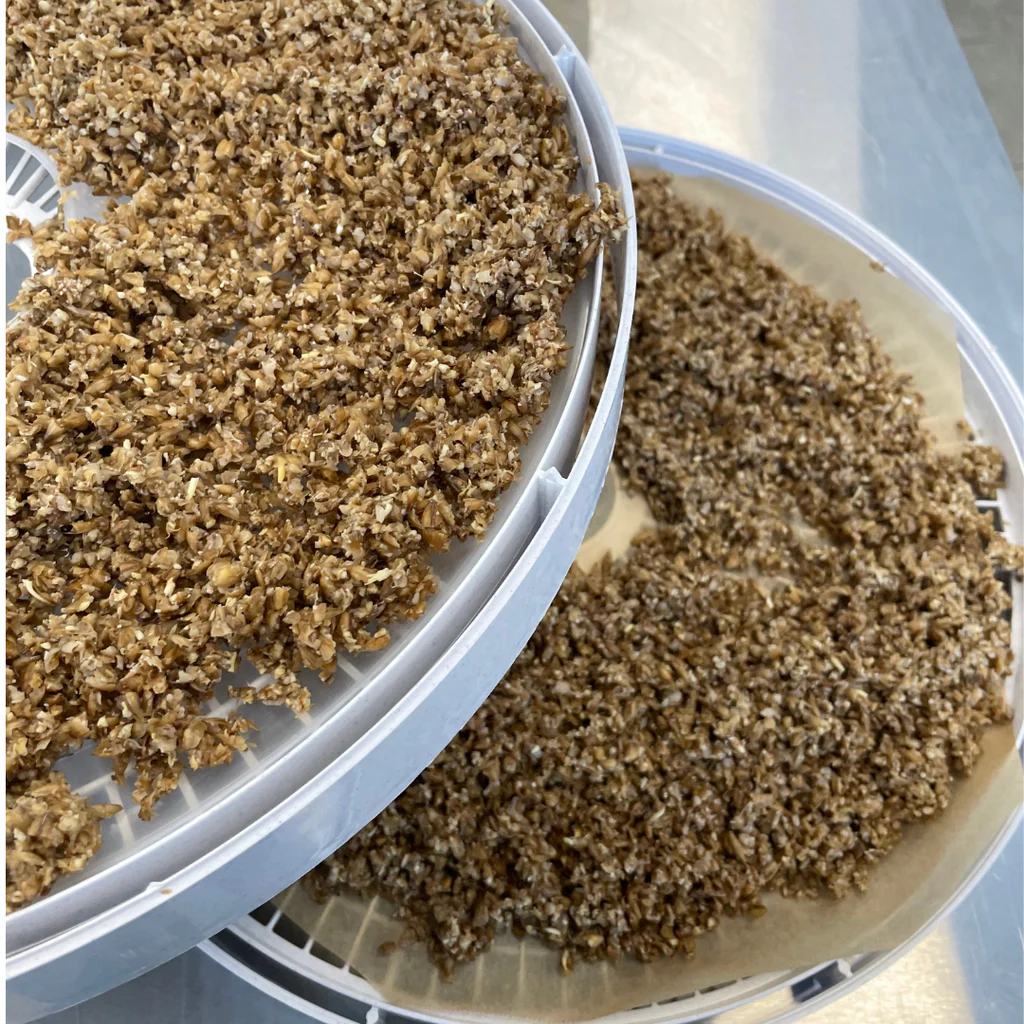
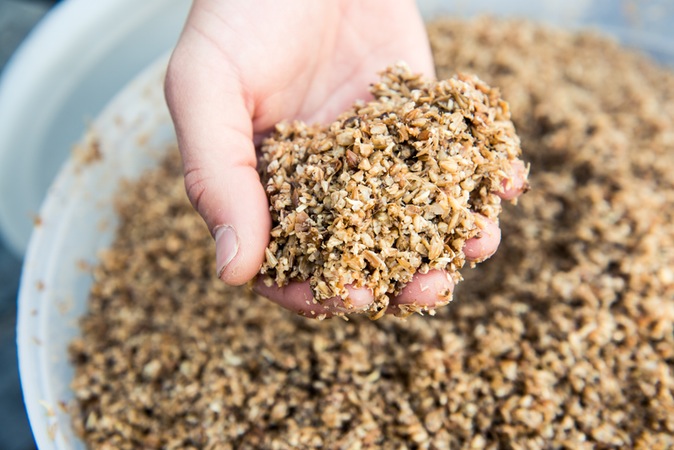
Spent Grain (Industrial Feed) is a nutrient-rich byproduct generated during the brewing and distillation process, primarily composed of the residual barley, wheat, or other cereal grains after starch extraction. It is widely utilized in the animal nutrition industry as a cost-effective, high-fiber, protein-rich feed ingredient for livestock and aquaculture. Due to its favorable nutritional profile and availability in bulk quantities, spent grain provides an economically attractive alternative to conventional feed materials such as soybean meal and corn byproducts. As global industries increasingly prioritize circular economy practices and sustainable resource utilization, spent grain has become a strategically important feedstock for agricultural and feed manufacturers seeking both performance and sustainability.
2. Key Specifications & Technical Characteristics
- Material Composition: Residual barley, wheat, corn, or mixed cereal grains from brewing processes
- Typical Nutritional Profile:
- Protein: 20–30%
- Fiber: 40–50%
- Fat: 5–10%
- Ash: 3–5%
- Moisture Content:
- Wet Spent Grain: 70–80%
- Dried Spent Grain: ≤10%
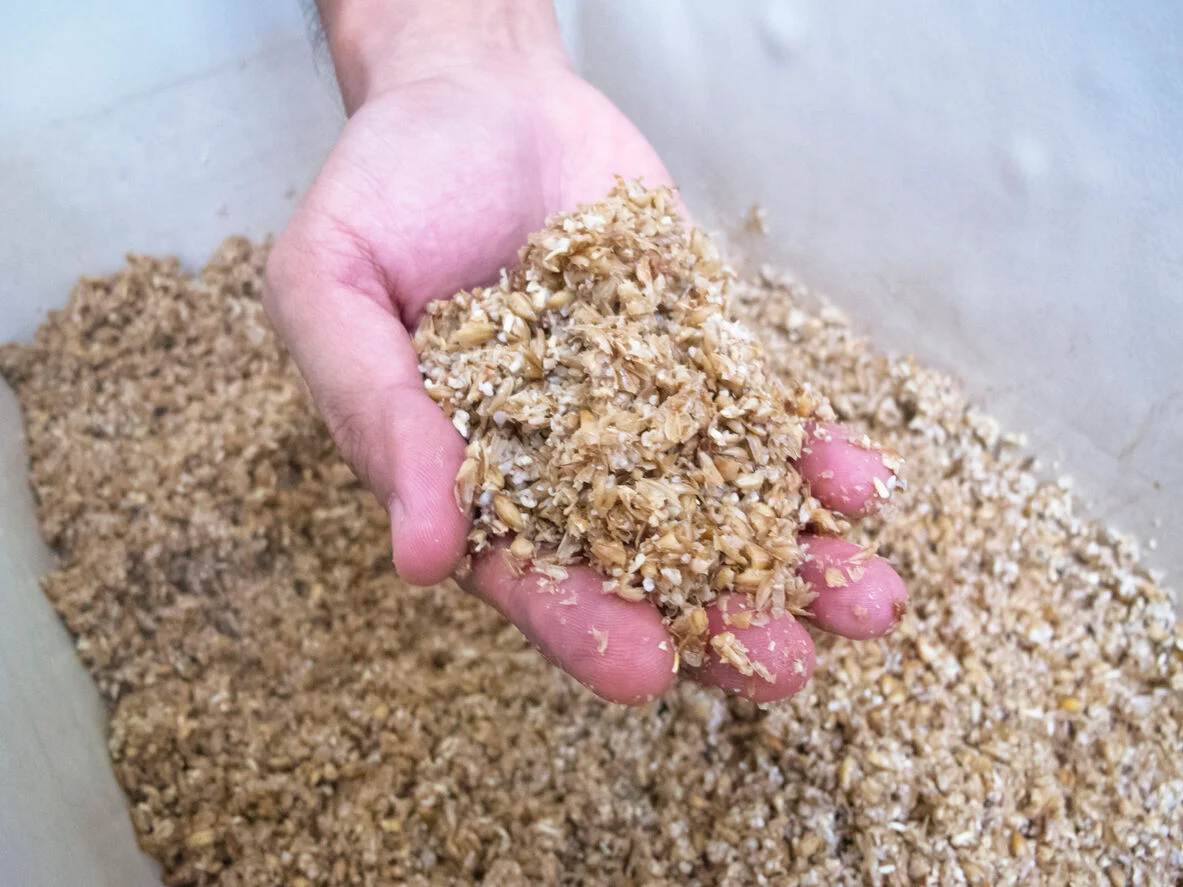
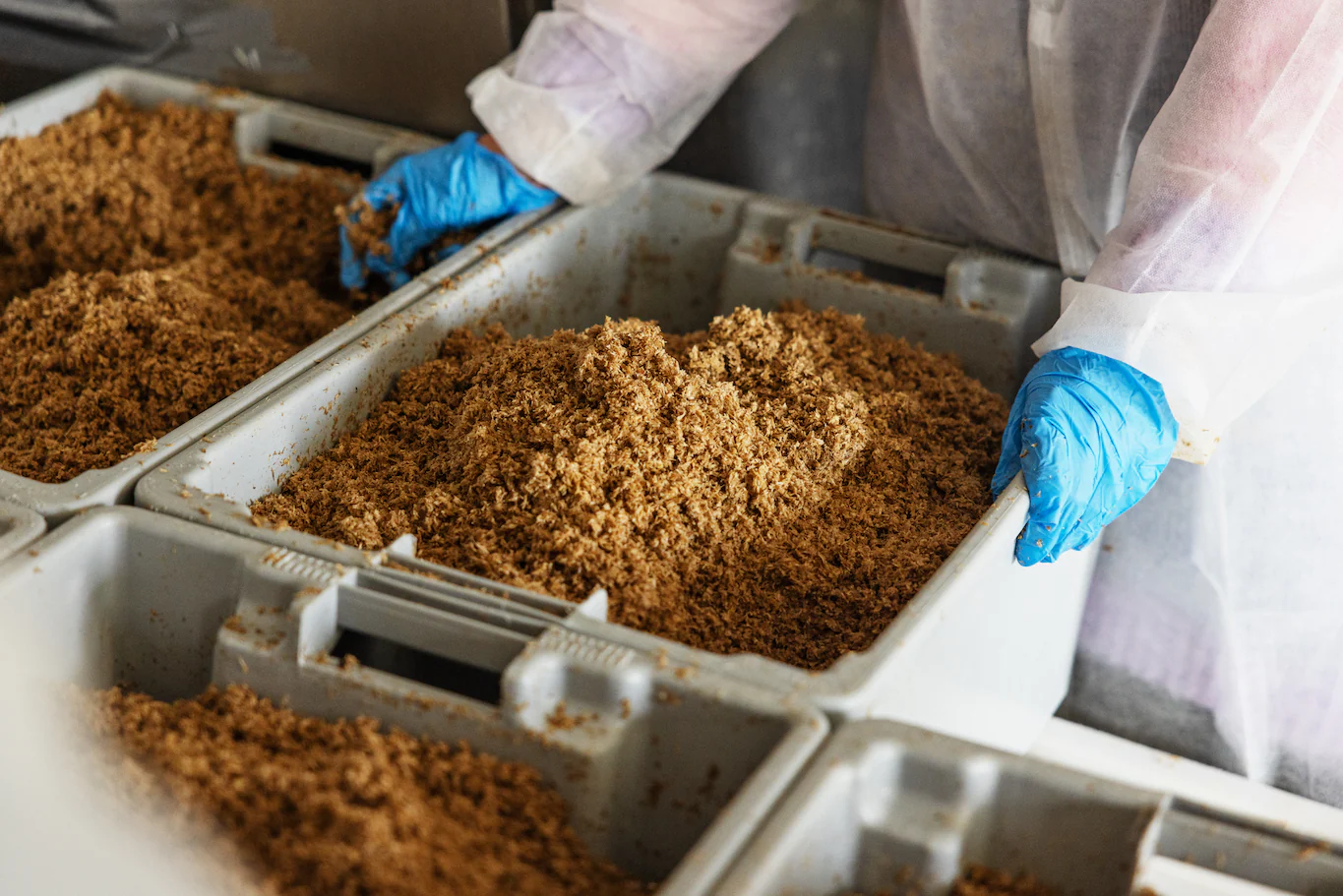
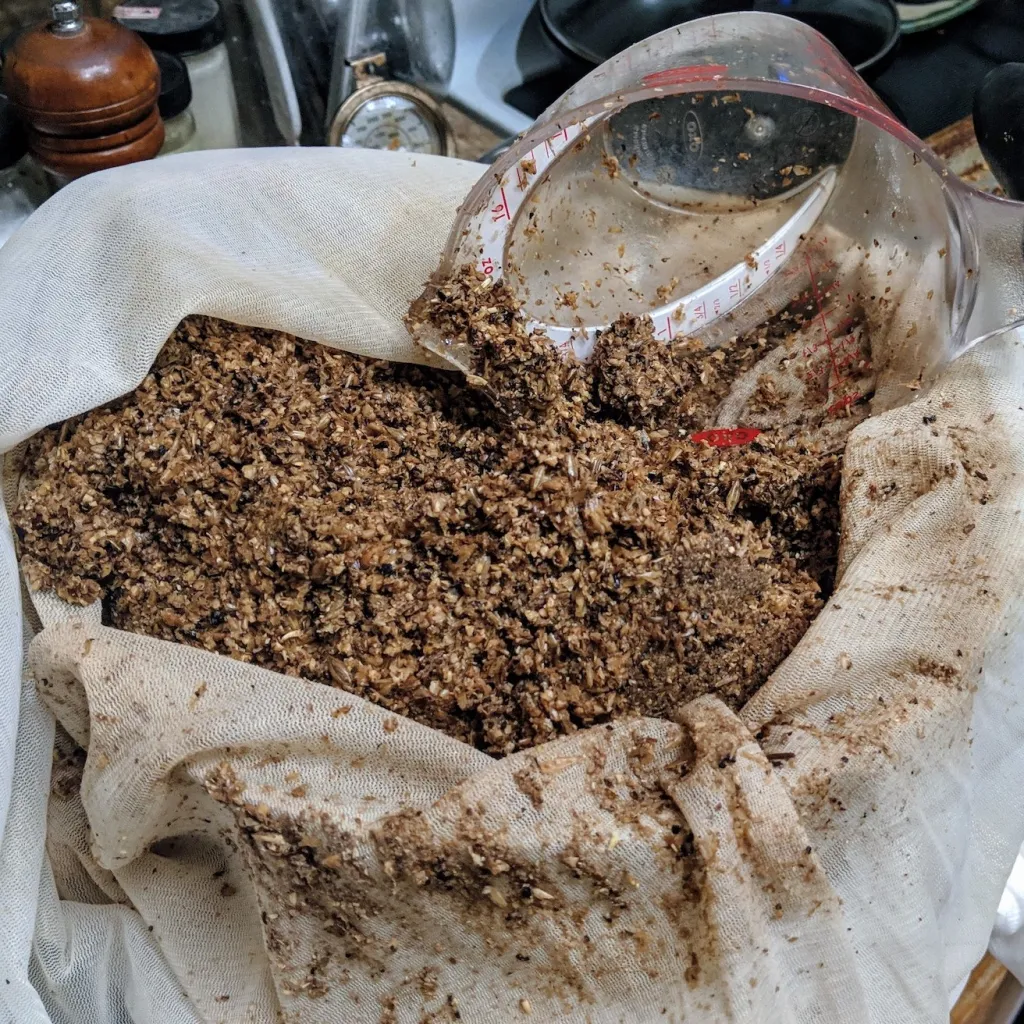
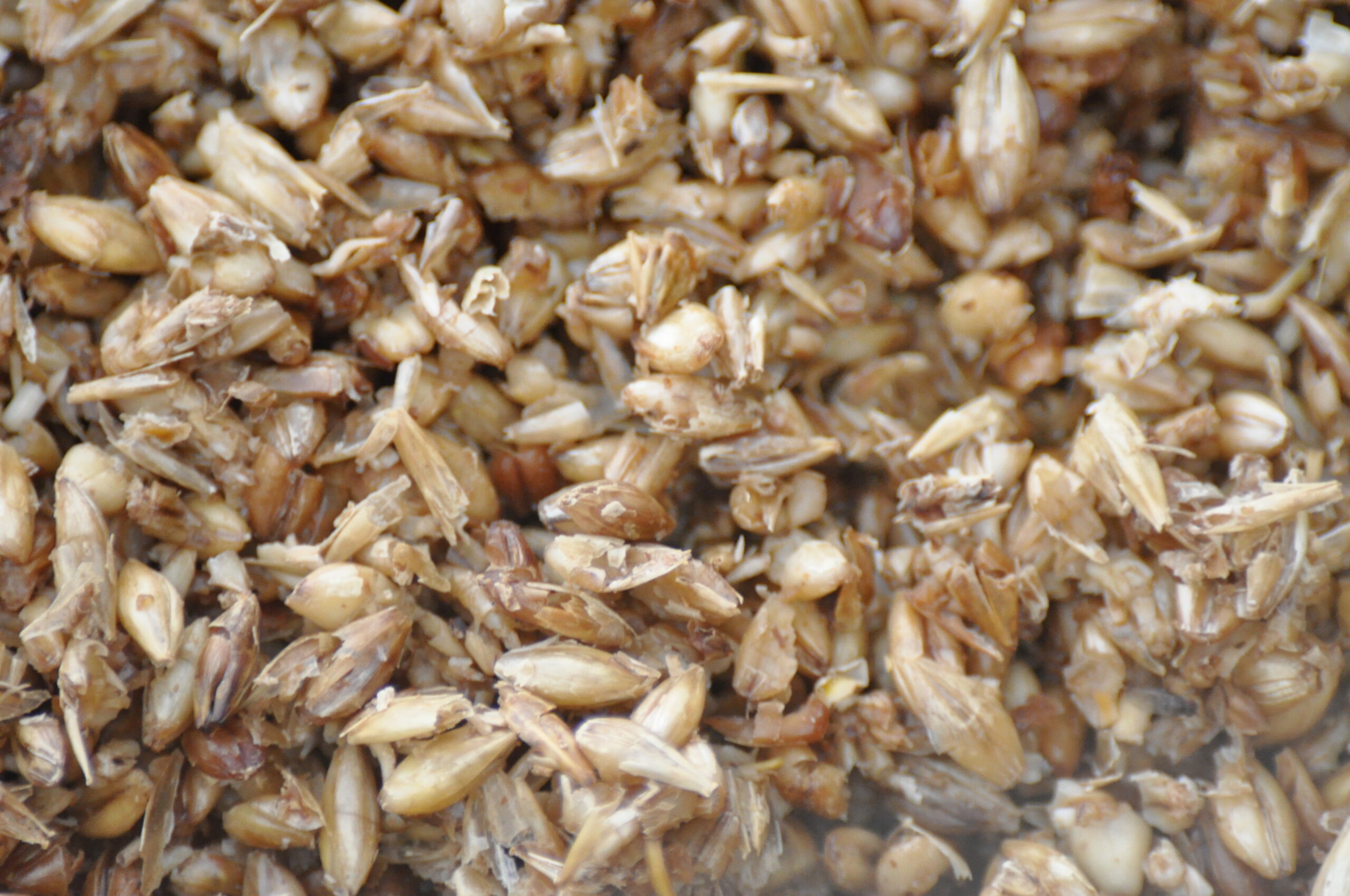
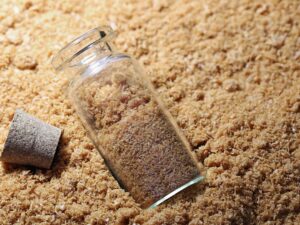
- Physical Form: Fibrous granular material or coarse meal
- Color: Light to dark brown
- Particle Size: Typically 0.5–5 mm depending on processing
- Bulk Density: Approximately 400–600 kg/m³ (dried form)
- Odor: Mild cereal/grain aroma
- Packaging Options: Bulk bags (1 MT), loose bulk loading, or containerized shipment
- Shelf Life:
- Dried: Up to 12 months when stored in dry, ventilated conditions
- Wet: Short-term storage recommended due to moisture content
3. Core Industrial Applications
Spent Grain is widely used across multiple agricultural and feed production sectors due to its nutritional composition and cost efficiency.
Animal Feed Manufacturing
It is commonly incorporated into compound feed formulations for cattle, poultry, pigs, and aquaculture species. The high fiber and moderate protein content support digestive health and provide a sustainable energy source.
Dairy and Beef Livestock Nutrition
Spent grain serves as a valuable feed supplement for ruminants, improving feed conversion efficiency and supporting milk production and weight gain.
Poultry and Swine Feed
When properly processed and balanced with other ingredients, spent grain provides a cost-effective protein and fiber component in feed blends.
Aquaculture Feed Ingredients
Dried spent grain is increasingly utilized in aquaculture formulations due to its nutrient density and availability.
Compared with traditional feed ingredients, spent grain offers lower input costs, strong fiber content for digestive health, and consistent supply due to global brewing production, making it a practical and economical feed ingredient for industrial-scale feed operations.
4. Competitive Advantages
- Quality Consistency: Controlled sourcing from established brewing operations ensures stable nutritional profiles.
- Supply Reliability: Continuous generation from large-scale brewing and distillation industries ensures dependable bulk availability.
- Logistics Capability: Available in bulk shipments with containerized export capacity for international feed manufacturers.
- Price Competitiveness: Significantly lower cost compared to conventional protein feed ingredients such as soybean meal.
- Sustainability Benefits: Supports circular economy initiatives by converting industrial byproducts into valuable feed resources, reducing waste streams.
- Technical Support: Nutritional specifications and documentation available to support feed formulation and regulatory compliance.
5. Commercial & Supply Information
- Minimum Order Quantity (MOQ): BULK 20 MT
- Loading Capacity: 20–25 MT per 20 ft container (depending on moisture level and packaging)
Reviews
There are no reviews yet.