
Description
1. Product Overview
Spent Copper Catalyst is a recovered industrial catalyst material containing valuable copper compounds generated from catalytic processes in chemical and petrochemical operations. It is widely utilized as a secondary raw material for metal recovery, catalyst regeneration, and metallurgical processing. The product offers a cost-efficient source of copper and associated metals, enabling industrial buyers to reduce raw material procurement costs while supporting circular resource utilization. In global metals and recycling markets, spent copper catalysts represent a strategically important feedstock for sustainable copper recovery and industrial resource optimization.
2. Key Specifications & Technical Characteristics
- Chemical Composition: Copper compounds (CuO/Cu-based catalytic materials), with possible traces of aluminum oxide, zinc oxide, silica, or other catalyst support materials depending on origin
- Copper Content: Typically 10% – 40% Cu (varies by process source)
- Grade: Industrial recycling grade / secondary metallurgical feedstock
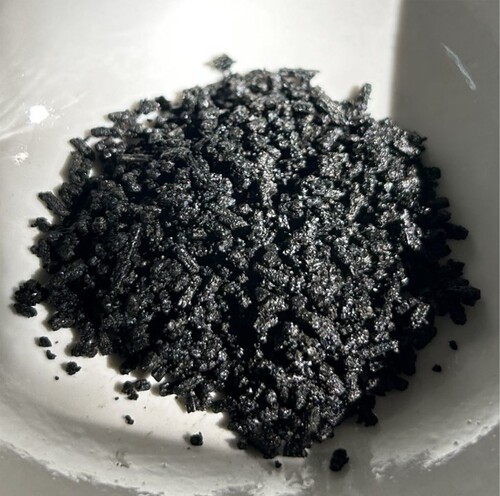
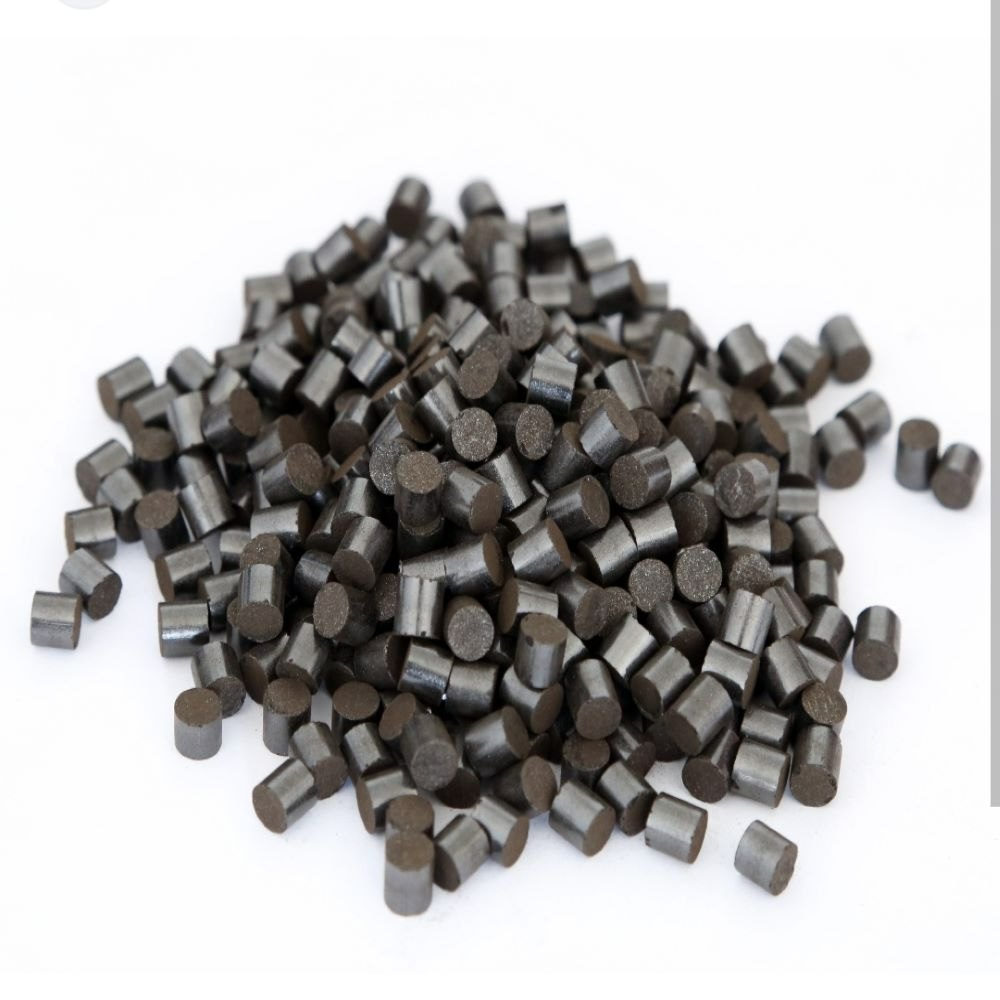
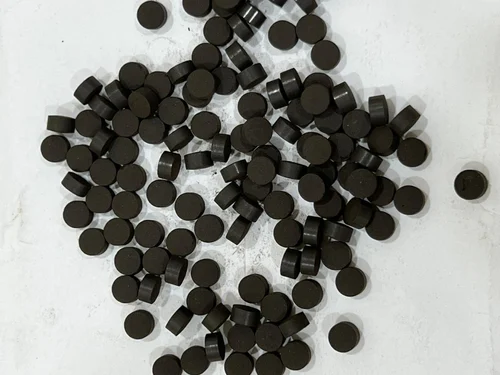
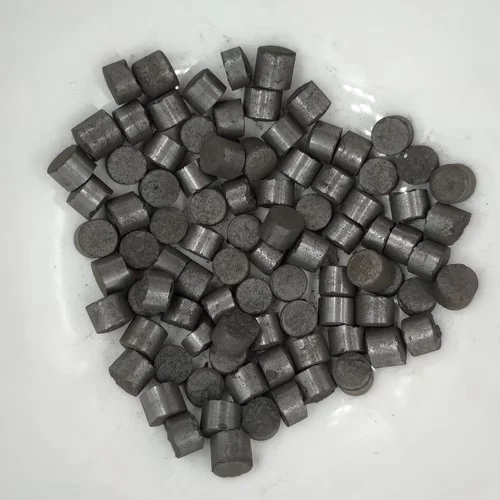
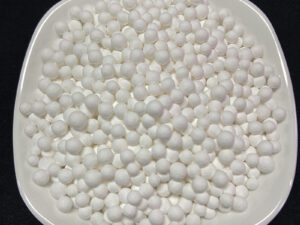
- Physical Form: Granules, pellets, or irregular catalyst fragments
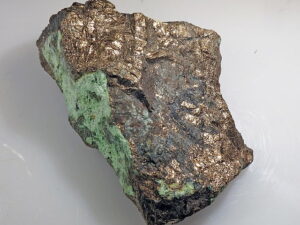
- Color: Dark brown, black, or greenish depending on oxidation state
- Particle Size: Typically 2 mm – 10 mm (variable depending on catalyst type)
- Bulk Density: Approx. 0.8 – 1.4 g/cm³
- Moisture Content: Usually <10%
- Packaging Options: Bulk bags (1 MT jumbo bags), steel drums, or loose bulk loading
- Shelf Life: Stable under dry storage conditions; no specific shelf life limitations for metallurgical processing
3. Core Industrial Applications
Spent Copper Catalyst is primarily utilized in metal recovery, catalyst recycling, and metallurgical refining industries where copper-bearing secondary materials are processed into valuable metal outputs.
Key operational applications include:
- Copper Recovery & Smelting: Used as a feedstock for copper extraction and refining operations in smelters and hydrometallurgical plants.
- Catalyst Recycling & Regeneration: Reprocessed to recover active metals and regenerate catalyst materials for industrial reuse.
- Metallurgical Blending: Integrated into furnace charges or secondary metal recovery streams to optimize copper yield.
- Chemical Industry Recycling: Processed to reclaim copper compounds used in catalytic hydrogenation, oxidation, and synthesis processes.
Compared with primary mined ores, spent copper catalyst provides higher metal concentration and lower processing intensity, enabling improved recovery efficiency, reduced energy consumption, and stronger economic returns for metal recovery operators.
4. Competitive Advantages
- High Metal Value: Significant copper content provides strong economic recovery potential.
- Consistent Industrial Supply: Sourced from established chemical and petrochemical catalyst replacement cycles.
- Efficient Logistics: Available in bulk shipment formats suitable for international metal recovery operations.
- Cost Advantage: Lower cost per unit of recoverable copper compared with primary mining inputs.
- Sustainability Value: Supports circular economy initiatives through industrial waste recycling and resource recovery.
- Quality Transparency: Material specifications and composition data available to support buyer processing requirements.
5. Commercial & Supply Information
- Minimum Order Quantity (MOQ): BULK 20MT
- Loading Capacity: Approximately 20–22 MT per 20 ft container.
Reviews
There are no reviews yet.