
Description
1. Product Overview
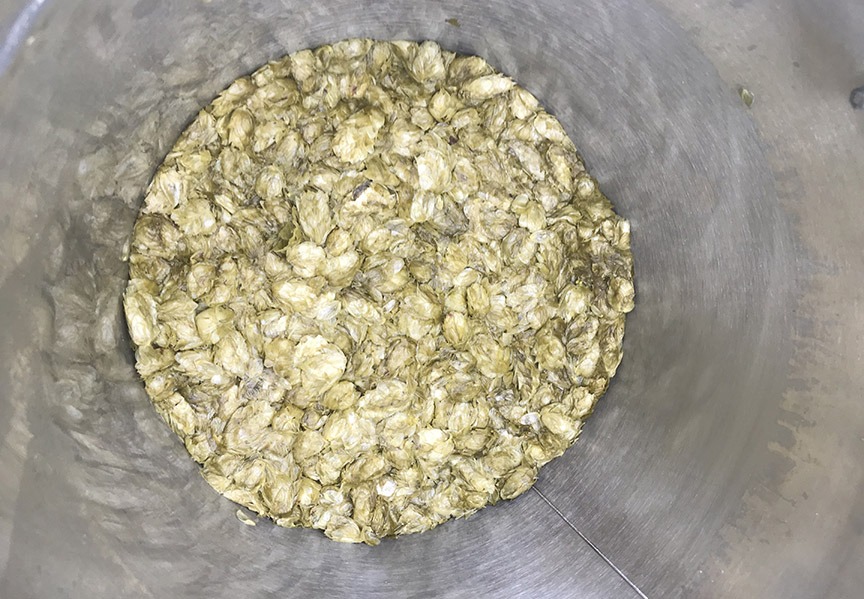
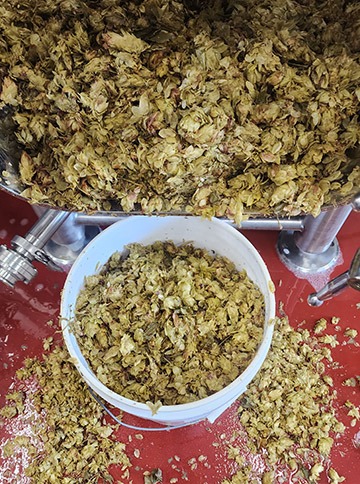
Spent Brewing Hops are a nutrient-rich byproduct generated during the beer brewing process after hop compounds have been extracted for flavoring and aroma. Despite the extraction of primary bittering agents, the material retains valuable organic compounds, fibers, proteins, and residual bioactive components suitable for industrial reuse. It is widely utilized in animal feed production, agricultural soil enhancement, biomass processing, and organic fertilizer manufacturing. As industries increasingly prioritize circular economy practices and waste valorization, spent brewing hops represent a strategically important secondary raw material that transforms brewery waste streams into commercially valuable inputs.
2. Key Specifications & Technical Characteristics
- Material Composition: Residual hop plant material including cellulose, hemicellulose, lignin, proteins, polyphenols, and trace essential oils
- Purity Level / Grade: Food-grade brewing byproduct; processed and screened depending on application requirements
- Physical Form: Fibrous organic plant residue
- Color: Dark green to brown
- Particle Size: Typically coarse fibrous particles; can be milled or processed depending on end-use requirements
- Moisture Content: Typically 60–80% in fresh form; can be dried to <10–12% for long-term storage
- Bulk Density: Approximately 200–400 kg/m³ depending on moisture and compaction
- Nutritional Components: Contains residual proteins, dietary fiber, minerals, and organic compounds beneficial for agricultural and feed applications
- Packaging Options: Bulk loose load, jumbo bags (1 MT), compressed bales, or bulk container loading
- Shelf Life: Fresh material requires prompt use; dried material shelf life up to 12 months under dry, ventilated storage conditions
3. Core Industrial Applications
Spent Brewing Hops serve multiple industries seeking sustainable, organic, and cost-efficient raw materials.
- Animal Feed Industry: Incorporated into livestock feed formulations as a fiber-rich supplement for cattle and ruminants, providing additional nutrients and digestive fiber.
- Agriculture & Organic Fertilizers: Used as compost feedstock or soil amendment, enhancing soil organic matter, microbial activity, and moisture retention.
- Biomass & Bioenergy Production: Utilized as a renewable biomass input for anaerobic digestion, biogas generation, or biomass fuel processing.
- Agricultural Processing & Soil Conditioning: Integrated into composting systems and organic soil blends to improve nutrient profiles and soil structure.
Compared with conventional agricultural residues, spent brewing hops offer a consistent supply stream from breweries, stable organic composition, and strong sustainability credentials while delivering cost-effective inputs for large-scale agricultural and biomass operations.
4. Competitive Advantages
- Consistent Material Stream: Generated from standardized brewery operations ensuring predictable composition and availability
- Reliable Supply Chains: Continuous production aligned with large-scale brewing operations provides steady industrial volumes
- Efficient Bulk Logistics: Flexible shipment options including bulk loading, compressed bales, and containerized transport
- Cost-Effective Raw Material: Competitive pricing compared with conventional organic feedstocks and agricultural residues
- Sustainability Value: Supports waste-to-resource conversion and circular economy initiatives within the food and beverage industry
- Technical Documentation: Material composition data and handling guidance available to support industrial procurement and processing requirements
5. Commercial & Supply Information
- Minimum Order Quantity (MOQ): BULK 20 MT
- Loading Capacity: 20–25 MT per 20-ft container depending on moisture content and packaging format
Reviews
There are no reviews yet.