
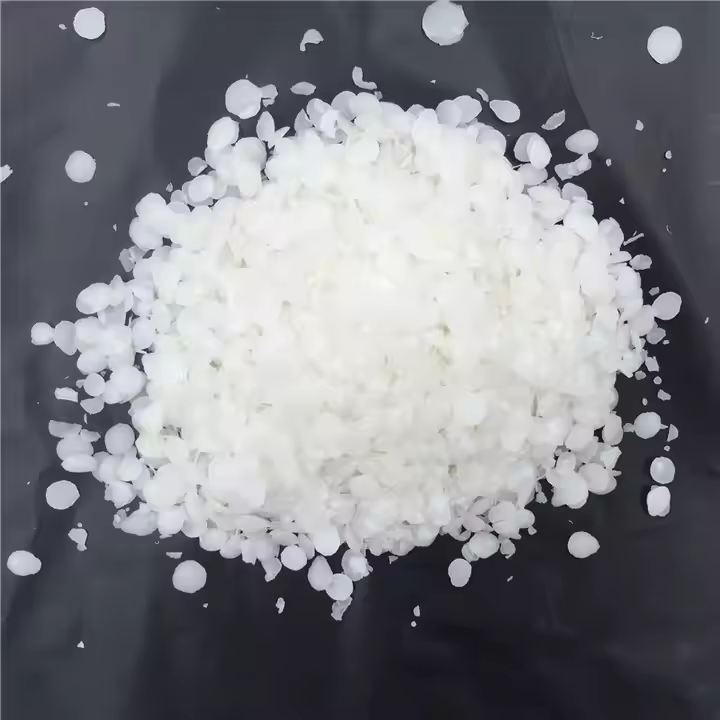
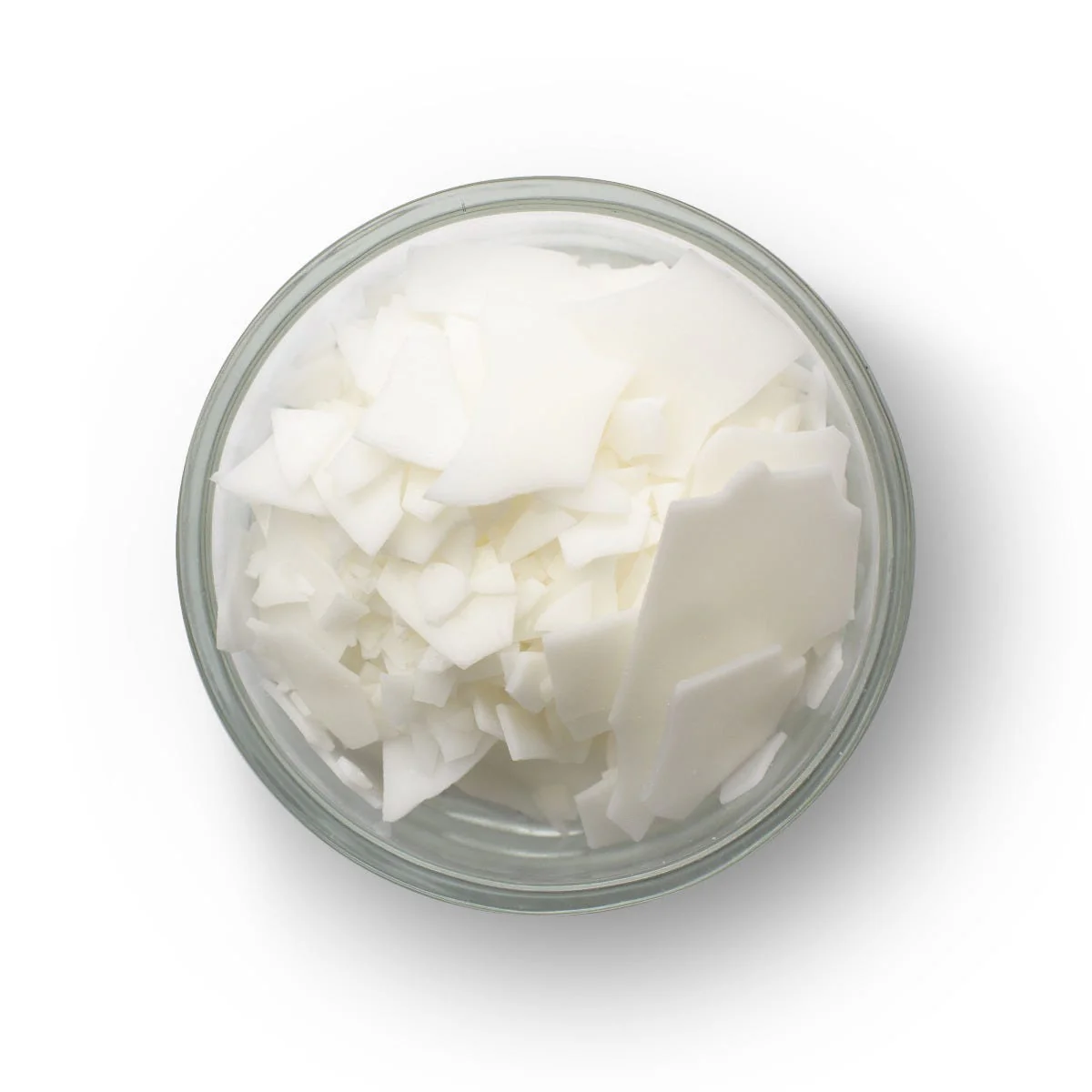
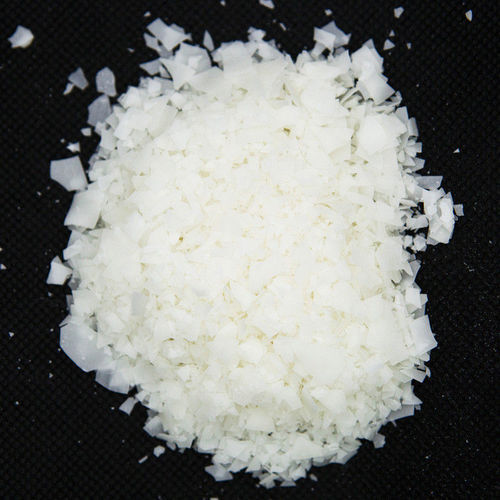
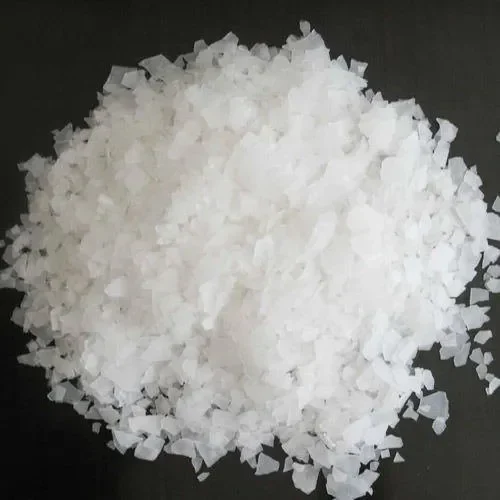
Description
Sorbitan Palmitate: A Versatile Ingredient You Should Know About
In the world of cosmetics and personal care products, there’s a vast array of ingredients working behind the scenes to ensure our lotions are creamy, our makeup spreads evenly, and our shampoos lather beautifully. One such ingredient, often overlooked but playing a crucial role, is Sorbitan Palmitate.
This article will delve into what Sorbitan Palmitate is, its various functions, its safety profile, and why it’s a valuable component in many products we use daily.
What is Sorbitan Palmitate?
Sorbitan Palmitate is an ester formed from sorbitan (a sugar alcohol derived from fruits) and palmitic acid (a fatty acid found naturally in plants and animals). It belongs to a group of compounds called sorbitan esters, which are known for their emulsifying properties. In essence, it’s a substance derived from natural sources that helps to blend oil and water-based ingredients together seamlessly.
Why is Sorbitan Palmitate Used?
The primary function of Sorbitan Palmitate is as an emulsifier. Emulsifiers are essential in formulations that contain both oil and water because these two components naturally separate. Sorbitan Palmitate acts as a bridge, lowering the surface tension between them and allowing them to mix uniformly, creating a stable and homogenous product.
Beyond its emulsifying capabilities, Sorbitan Palmitate also acts as:
- Surfactant: It can help reduce the surface tension of liquids, aiding in spreading and wetting properties. This is particularly useful in creams, lotions, and foundations, ensuring even application.
- Stabilizer: It helps prevent product separation or degradation over time, ensuring a consistent texture and appearance throughout its shelf life.
- Texture Enhancer: It can contribute to the overall feel and consistency of the product, making it smoother, creamier, or more easily spreadable.
Where Can You Find Sorbitan Palmitate?
Given its versatility, Sorbitan Palmitate is commonly found in a wide range of personal care products, including:
- Skincare: Lotions, creams, moisturizers, cleansers, facial serums
- Cosmetics: Foundations, concealers, lipsticks, mascaras, eyeliners
- Haircare: Shampoos, conditioners, styling products
- Suncare: Sunscreens and after-sun lotions
Is Sorbitan Palmitate Safe to Use?
Sorbitan Palmitate is generally considered safe for use in cosmetic formulations at the concentrations typically employed. Regulatory bodies like the Cosmetic Ingredient Review (CIR) Expert Panel have assessed and approved its safety for use in cosmetics. However, like with any ingredient, individual sensitivities can vary.
- Allergic Reactions: While rare, some individuals may experience allergic reactions or skin irritation with Sorbitan Palmitate or other sorbitan esters. If you have sensitive skin or a history of allergies, it’s always a good idea to perform a patch test before using a product containing this ingredient extensively.
- Concentration: The safety of any ingredient is also dose-dependent. The levels of Sorbitan Palmitate used in cosmetic formulations are typically low and within safe limits.
Benefits of Using Products with Sorbitan Palmitate:
Choosing products formulated with Sorbitan Palmitate can offer several benefits:
- Improved Product Stability: Prevents separation and ensures consistent texture and performance.
- Enhanced Product Performance: Ensures even application and better spreadability, leading to more effective results.
- Pleasant Sensory Experience: Contributes to a smoother, creamier, and more luxurious feel, enhancing the user experience.
Conclusion:
Sorbitan Palmitate is a valuable and versatile ingredient in the cosmetic and personal care industry. Its ability to emulsify, stabilize, and enhance the texture of products contributes significantly to their quality and performance. While generally considered safe, it’s always prudent to be aware of potential sensitivities and individual reactions. So, the next time you pick up your favorite lotion or lipstick, remember the unsung hero working silently to create a harmonious blend: Sorbitan Palmitate.


Reviews
There are no reviews yet.