


Description
1. Product Overview
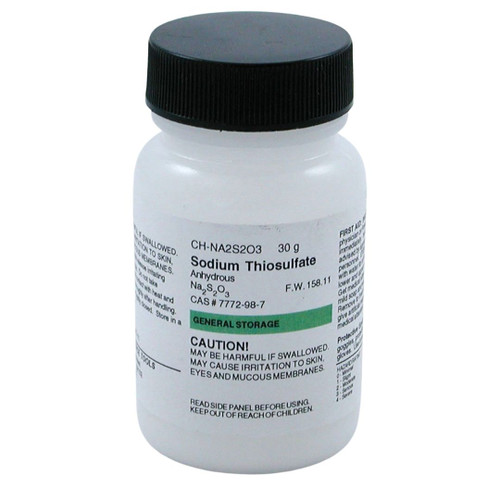
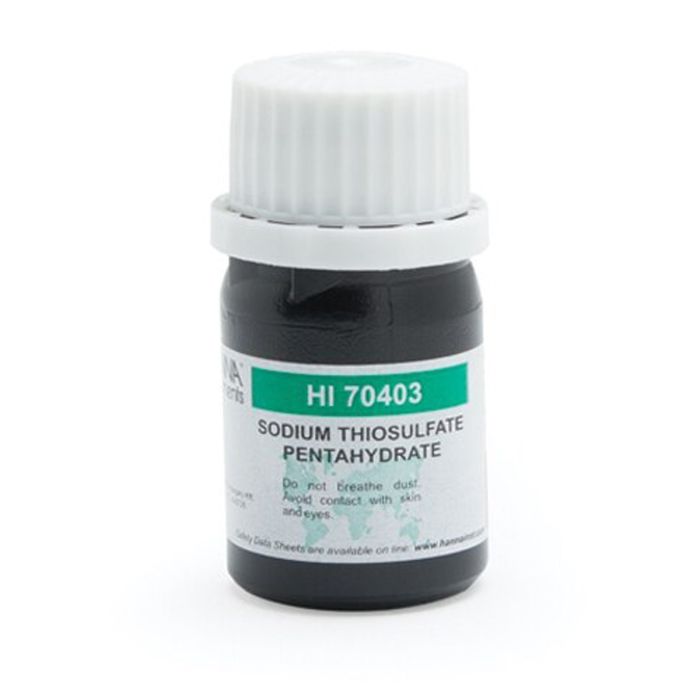
Sodium thiosulfate is a highly versatile inorganic compound widely used across multiple industrial sectors. Primarily valued for its ability to neutralize oxidizing agents, it serves critical roles in water treatment, photographic processing, and chemical manufacturing. Its key value proposition lies in its chemical stability, high purity, and consistent performance under demanding operational conditions. Strategically, sodium thiosulfate is indispensable for industries seeking reliable, cost-efficient solutions for dechlorination, gold recovery, and laboratory applications, making it a cornerstone chemical in global industrial supply chains.
2. Key Specifications & Technical Characteristics
- Chemical Composition: Na₂S₂O₃·5H₂O (pentahydrate) or anhydrous variants available
- Purity Level / Grade: ≥99% industrial grade
- Physical Form: Crystalline solid
- Color: White to off-white
- Particle Size: Granular or powder, adjustable per industrial requirement
- Density: 1.667 g/cm³ (pentahydrate)
- Packaging Options: 25 kg, 50 kg, or 500 kg bags; jumbo bags and bulk containers available
- Shelf Life: 2–3 years under dry, temperature-controlled storage
3. Core Industrial Applications
- Water Treatment: Efficient dechlorination and detoxification in municipal and industrial water systems
- Photographic Industry: Acts as a fixing agent to stabilize photographic films and papers
- Chemical Manufacturing: Used in gold and silver leaching, textile bleaching, and reduction processes
- Laboratory Use: Serves as a titration reagent and neutralizing agent in analytical procedures
- Performance Advantage: High solubility and chemical stability ensure consistent results, superior to alternative sulfite-based agents, reducing process downtime and operational costs
4. Competitive Advantages
- Quality Consistency: Produced under strict industrial standards for uniform performance
- Supply Reliability: Scalable production and global distribution network ensure uninterrupted availability
- Logistics Capability: Flexible packaging and bulk shipping options facilitate efficient transport
- Price Competitiveness: Optimized production and supply chain reduce overall procurement costs
- Sustainability Benefits: Non-toxic, environmentally manageable, and suitable for eco-conscious industrial processes
- Technical Support: Comprehensive documentation, including safety data sheets (SDS) and application guidance, available for industrial customers
5. Commercial & Supply Information
- Minimum Order Quantity (MOQ): BULK 20 MT
- Loading Capacity: Up to 20 MT per 20-foot container; flexible for larger bulk shipments
This sodium thiosulfate offering positions your operation to leverage a reliable, high-performance chemical essential for industrial efficiency and cost optimization.
If you want, I can also draft a high-conversion, marketplace-optimized title and bullet-point summary that maximizes buyer attention globally. Do you want me to do that next?


Reviews
There are no reviews yet.