
Description
Sodium Hypochlorite: Unpacking the Power and Peril of Household Bleach
Few substances are as ubiquitous and multifaceted in our homes and industries as what we commonly call “bleach.” But behind this simple name lies a powerful chemical compound: Sodium Hypochlorite (NaClO). From sanitizing our surfaces to whitening our laundry, sodium hypochlorite is an unsung hero of hygiene and cleanliness, yet its potency demands respect and careful handling.
What is Sodium Hypochlorite?
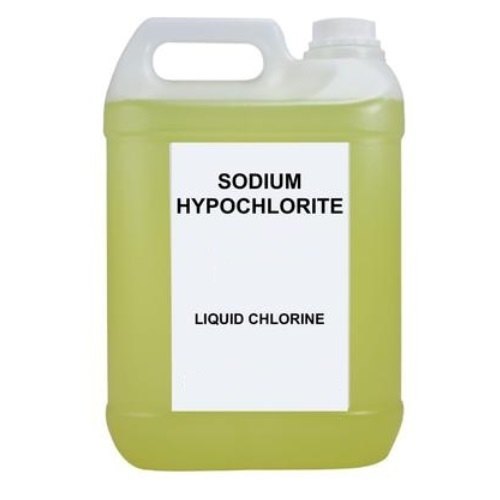
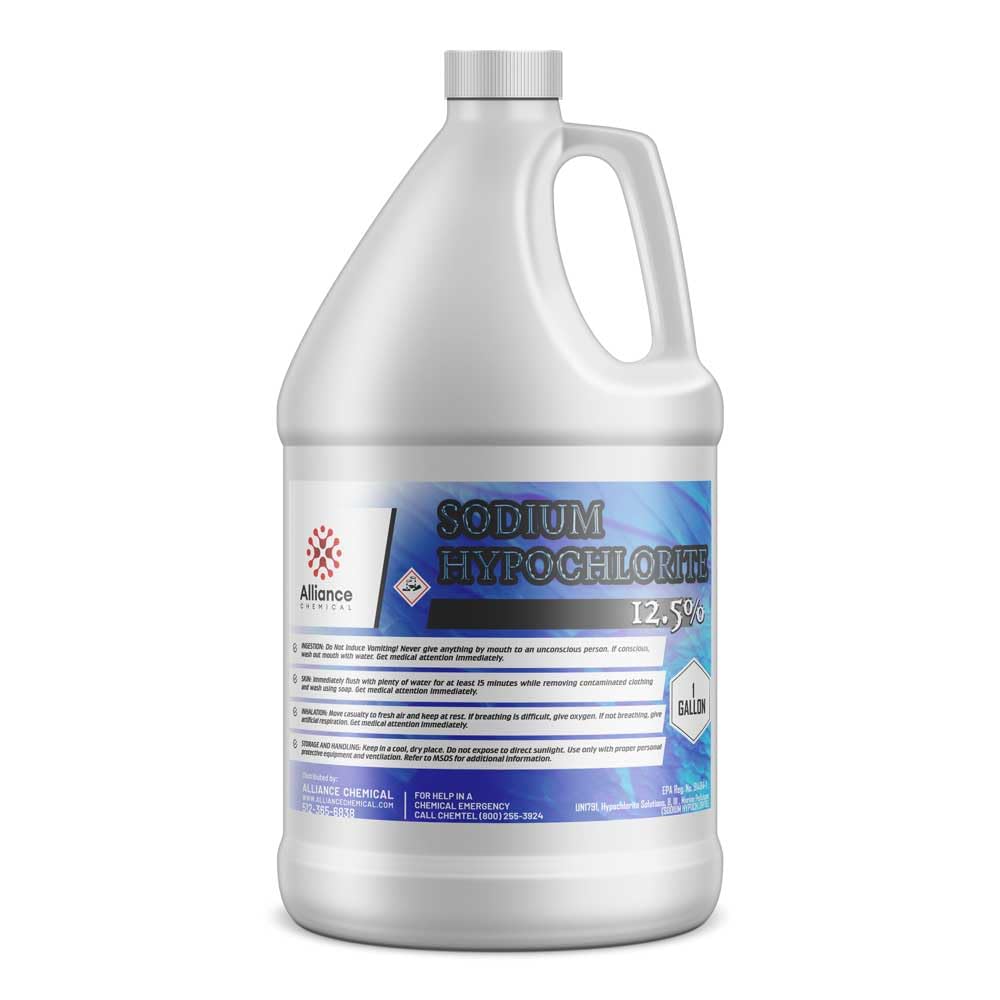
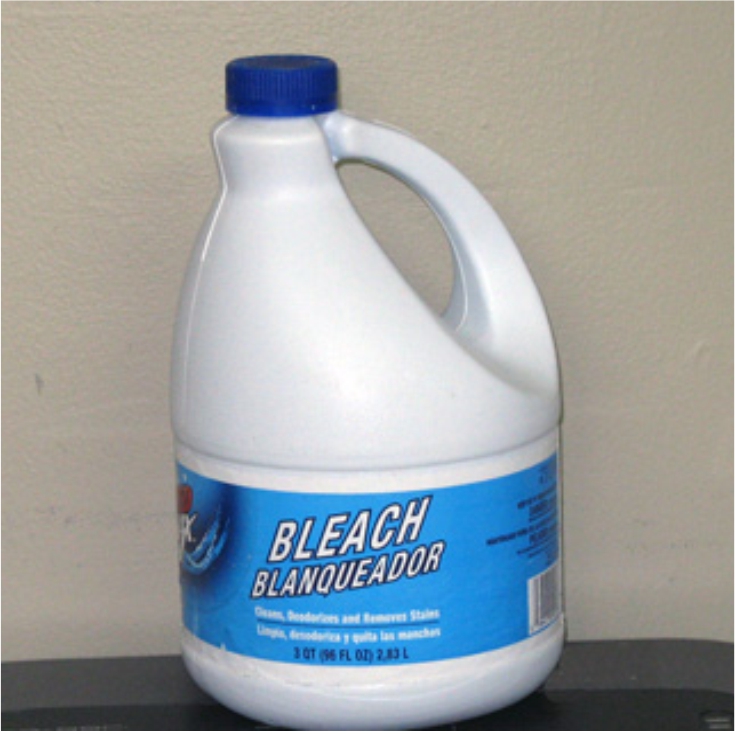
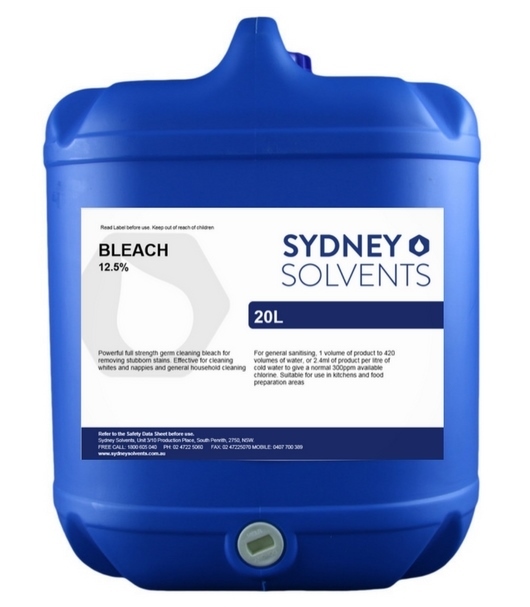
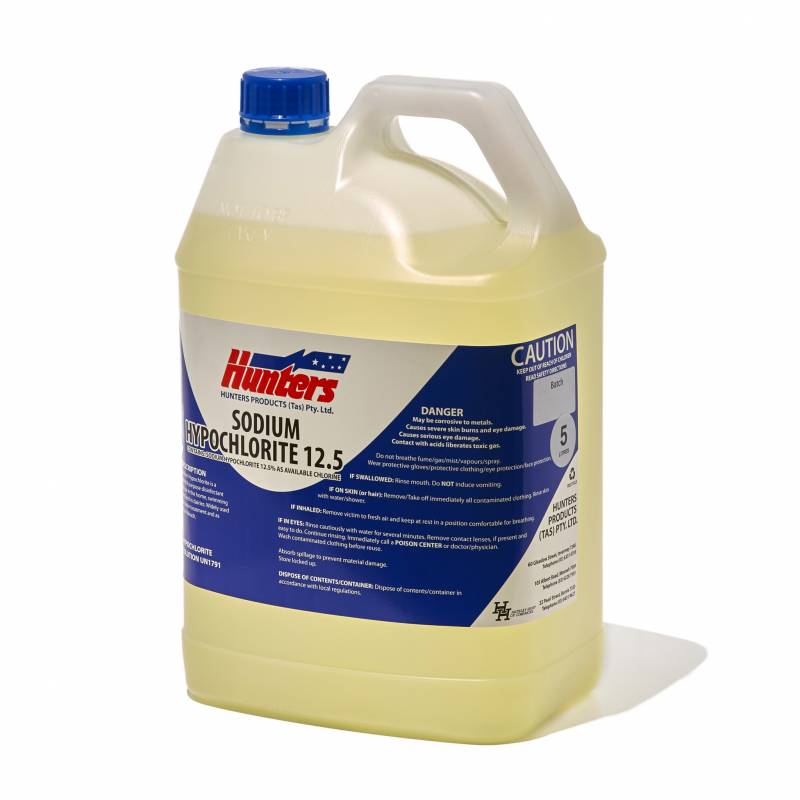
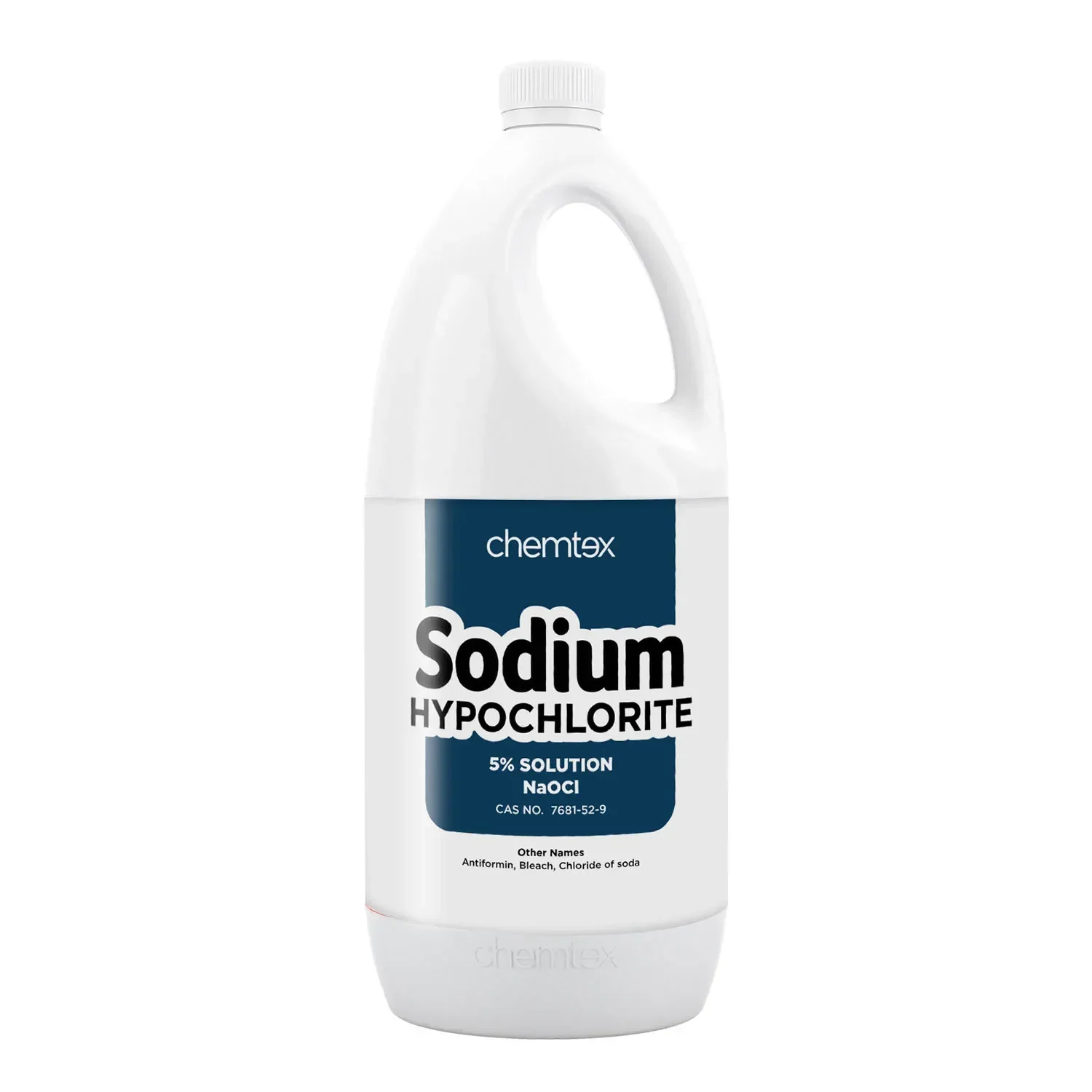
At its core, sodium hypochlorite is a chemical compound composed of sodium, oxygen, and chlorine. In its purest form, it’s a clear to yellowish-green liquid with a characteristic pungent odor. The “household bleach” we buy off the shelf is typically a dilute solution, usually containing 3-6% sodium hypochlorite by weight.
Its power lies in its nature as a strong oxidizing agent. This means it readily accepts electrons from other substances, initiating chemical reactions that break down the molecular structure of various compounds. This oxidizing power is precisely what makes it so effective at its myriad tasks.
The Diverse Applications of Sodium Hypochlorite:
- Disinfection and Sanitation: This is perhaps its most well-known role. Sodium hypochlorite effectively kills a wide range of microorganisms, including bacteria, viruses, fungi, and spores. It achieves this by denaturing their proteins and damaging their cell walls. This biocidal property makes it indispensable in:
- Homes: Cleaning kitchens, bathrooms, and high-touch surfaces.
- Healthcare Facilities: Sterilizing equipment and maintaining sterile environments.
- Food Processing: Sanitizing surfaces to prevent contamination.
- Whitening and Stain Removal: The oxidizing action also extends to breaking down colored organic compounds (chromophores) that cause stains and dullness in fabrics and surfaces. This is why bleach is a staple in laundry rooms for whitening whites and removing stubborn stains.
- Water Treatment: Sodium hypochlorite is a crucial component in ensuring safe drinking water. It’s used to disinfect public water supplies, killing harmful pathogens that could lead to waterborne diseases. It’s also widely used to sanitize swimming pools, preventing the growth of algae and bacteria.
- Odor Removal: By breaking down the molecules responsible for unpleasant odors, sodium hypochlorite can also act as an effective deodorizer.
- Specialized Industrial Applications: Beyond household use, it finds application in various industries, including pulp and paper bleaching, wastewater treatment, and even some medical and dental procedures (always in highly diluted and controlled forms).
Safety First: Handling Sodium Hypochlorite
Despite its immense utility, sodium hypochlorite is a potent chemical that poses significant risks if not handled correctly. Its corrosive and reactive nature necessitates strict precautions:
- Corrosive to Skin and Eyes: Direct contact can cause irritation, burns, and even severe eye damage. Always wear gloves and eye protection when handling concentrated bleach or when there’s a risk of splashing.
- Respiratory Irritant: The fumes can irritate the respiratory system, especially in poorly ventilated areas. Always use bleach in a well-ventilated space.
- NEVER Mix with Other Cleaners! This is perhaps the most critical safety warning. Mixing bleach with certain common household cleaners can produce highly toxic gases:
- Bleach + Acids (e.g., toilet bowl cleaner, vinegar, rust removers): Produces highly toxic chlorine gas, which can cause severe respiratory damage, lung edema, and even death.
- Bleach + Ammonia (e.g., glass cleaner, some all-purpose cleaners): Produces toxic chloramines, which can cause respiratory issues, nausea, and headaches.
- Bleach + Other Cleaners (e.g., oven cleaner, drain cleaner): Can lead to unpredictable and dangerous chemical reactions.
- Storage: Store bleach in its original, clearly labeled container, in a cool, dark place, away from direct sunlight, and out of reach of children and pets.
- Dilution: Always follow product instructions for proper dilution. More is not always better, and excessive concentration can increase risks without significant benefit.
- First Aid: In case of skin contact, rinse thoroughly with water for several minutes. For eye contact, flush with plenty of water and seek immediate medical attention. If fumes are inhaled, move to fresh air. If ingested, seek immediate medical help and do not induce vomiting.
Environmental Considerations
When properly diluted and used, household bleach generally breaks down into salt and water, posing minimal long-term environmental threat in typical septic or municipal wastewater systems. However, large quantities or concentrated solutions can be harmful to aquatic life if directly discharged into waterways.
Conclusion
Sodium hypochlorite, in its common form as household bleach, is an indispensable tool for maintaining hygiene and cleanliness in our modern world. Its powerful oxidizing capabilities make it a highly effective disinfectant, whitener, and sanitizer. However, its very power demands respect. By understanding its chemical nature and adhering strictly to safety guidelines, we can harness the benefits of this versatile compound while mitigating its inherent risks, ensuring a cleaner and safer environment for everyone.


Reviews
There are no reviews yet.