




Description
1. Product Overview
Sodium Hydroxide is a highly caustic inorganic compound, commonly known as caustic soda, used extensively as a strong alkali in industrial processes. Its primary industrial use includes pH regulation, chemical synthesis, saponification, and neutralization reactions across diverse manufacturing sectors. The key value proposition lies in its high reactivity, solubility, and purity, enabling efficient processing and consistent chemical performance. Strategically, Sodium Hydroxide is critical for industries such as pulp and paper, textiles, petrochemicals, and water treatment, where reliable alkali supply ensures operational continuity and regulatory compliance. Its role as a fundamental chemical building block makes it an indispensable commodity in global industrial markets.
2. Key Specifications & Technical Characteristics
- Chemical Composition: NaOH (Sodium Hydroxide)
- Purity Level / Grade: ≥ 98% industrial grade; available in specific purities for specialty applications
- Physical Characteristics:
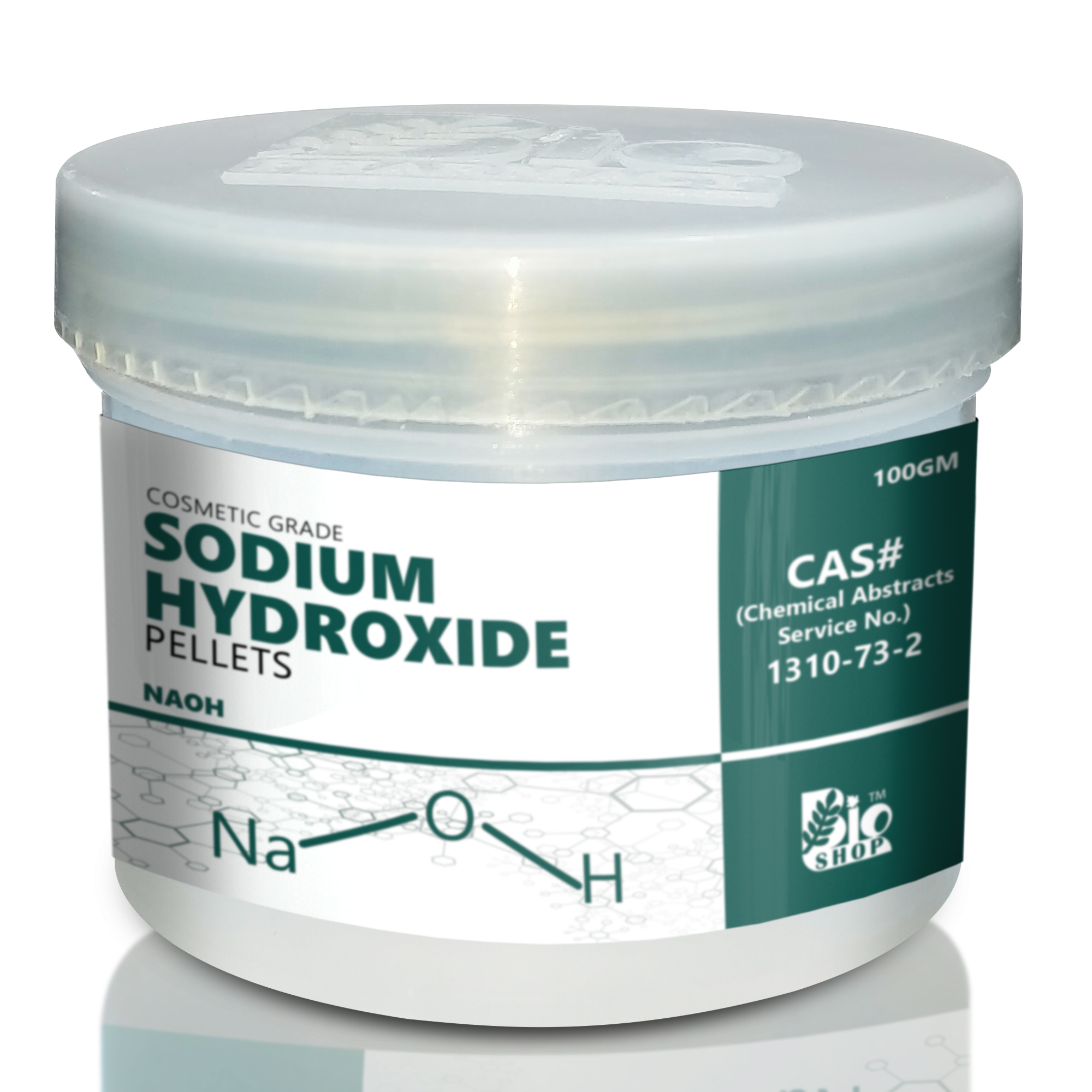
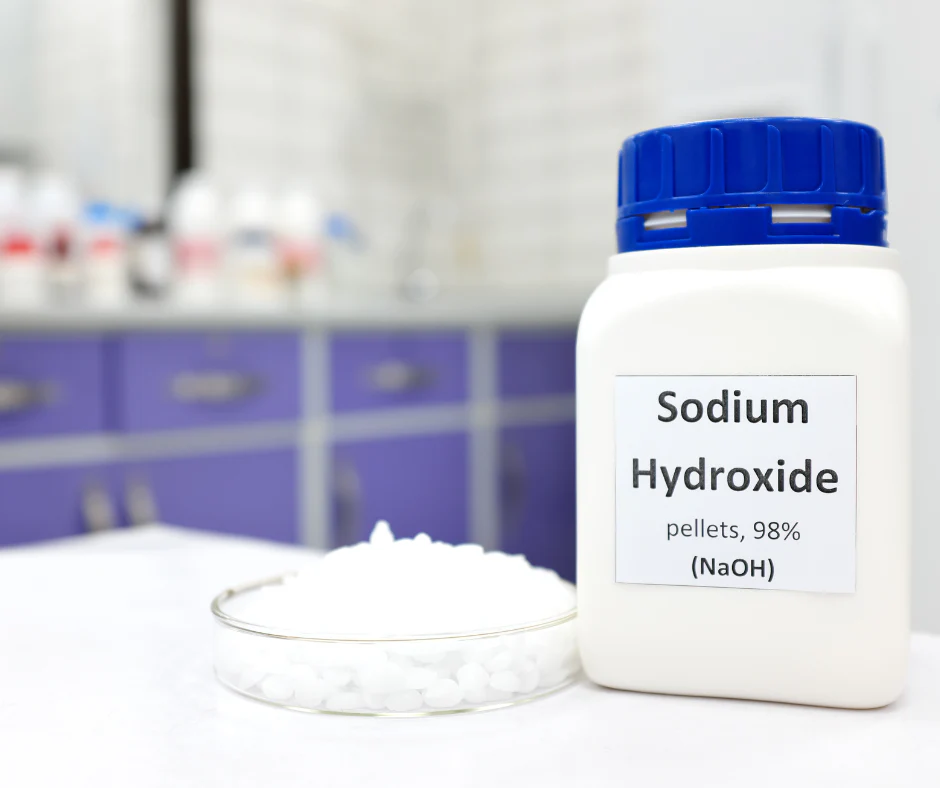
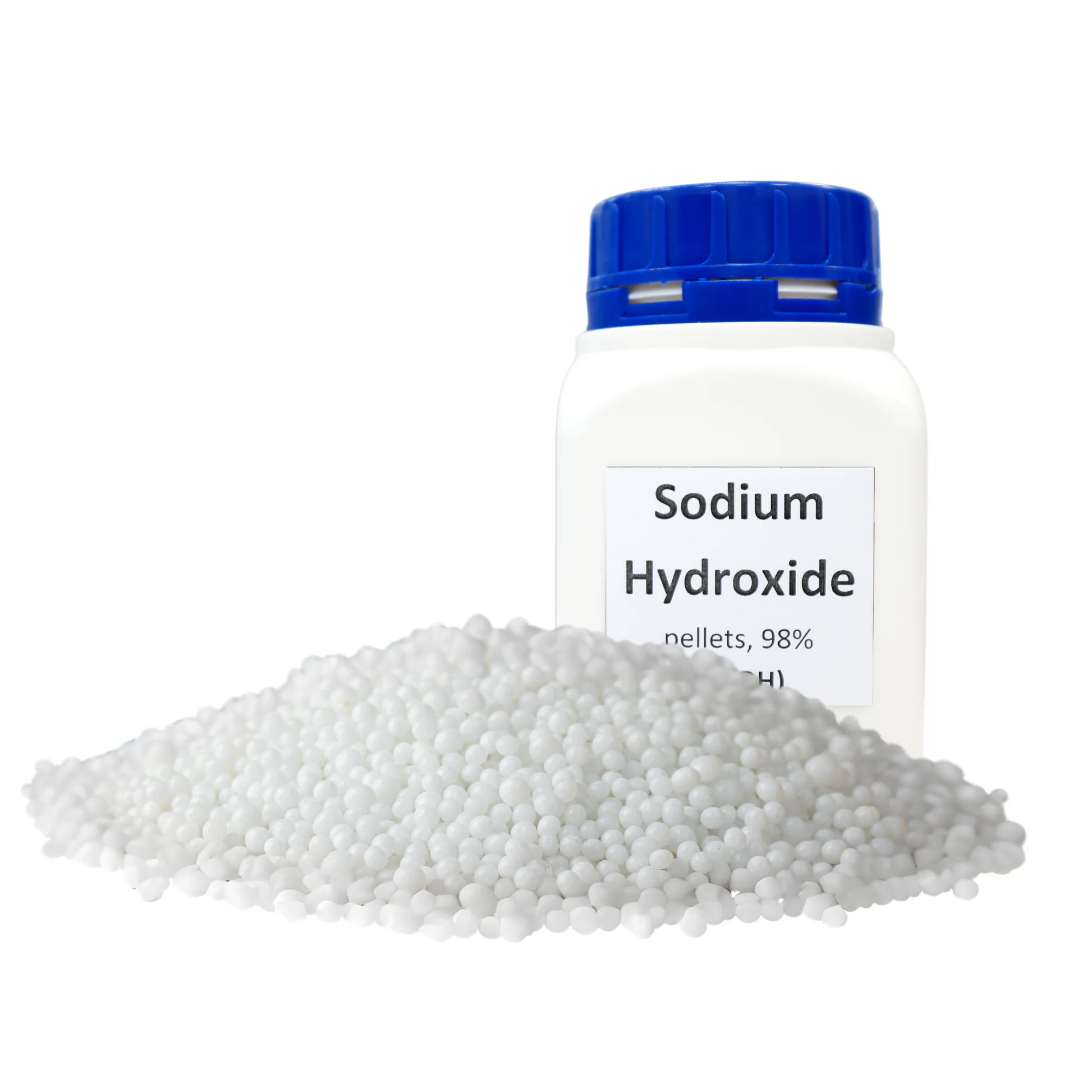
- Form: Flakes, pellets, or granules
- Color: White
- Density: Approx. 2.13 g/cm³ (solid)
- Highly hygroscopic and corrosive
- Packaging Options:
- Bulk ISO tank containers
- Drum packaging (50–250 kg)
- Jumbo bags (up to 1 MT)
- Shelf Life: Indefinite if stored in tightly sealed, dry, and moisture-free conditions
3. Core Industrial Applications
Primary Industries:
- Pulp and paper manufacturing
- Textile and dye processing
- Petrochemical and chemical manufacturing
- Soap, detergent, and cleaning product production
- Water and wastewater treatment
Operational Use Cases:
- pH adjustment and neutralization in water treatment systems
- Saponification in soap and detergent production
- Catalyst and reactant in chemical synthesis
- Pulping and bleaching operations in paper manufacturing
- Alkaline cleaning and chemical etching in industrial processes
Performance & Cost Advantages:
Sodium Hydroxide delivers superior reactivity and consistent performance compared to alternative alkalis, ensuring higher process efficiency, reduced reaction times, and lower operational costs. Its versatility allows it to serve multiple roles across industrial value chains, minimizing the need for multiple specialty chemicals.
4. Competitive Advantages
- Quality Consistency: Manufactured under strict industrial standards for high purity and reliability
- Supply Reliability: Continuous global production with established logistics networks
- Logistics Capability: Bulk and packaged delivery with safe handling procedures
- Price Competitiveness: Cost-effective sourcing for large-scale industrial operations
- Sustainability Benefits: Supports optimized chemical use and safe industrial recycling practices
- Technical Documentation: COA, SDS, transport documentation, and regulatory compliance provided
As a strategic sourcing decision, Sodium Hydroxide ensures operational resilience, process efficiency, and sustainable chemical management for industrial buyers.
5. Commercial & Supply Information
- Minimum Order Quantity (MOQ): BULK 20MT
- Loading Capacity (MT per container): 20–22 MT per 20’ ISO tank container (depending on form and packaging)

Reviews
There are no reviews yet.