


Description
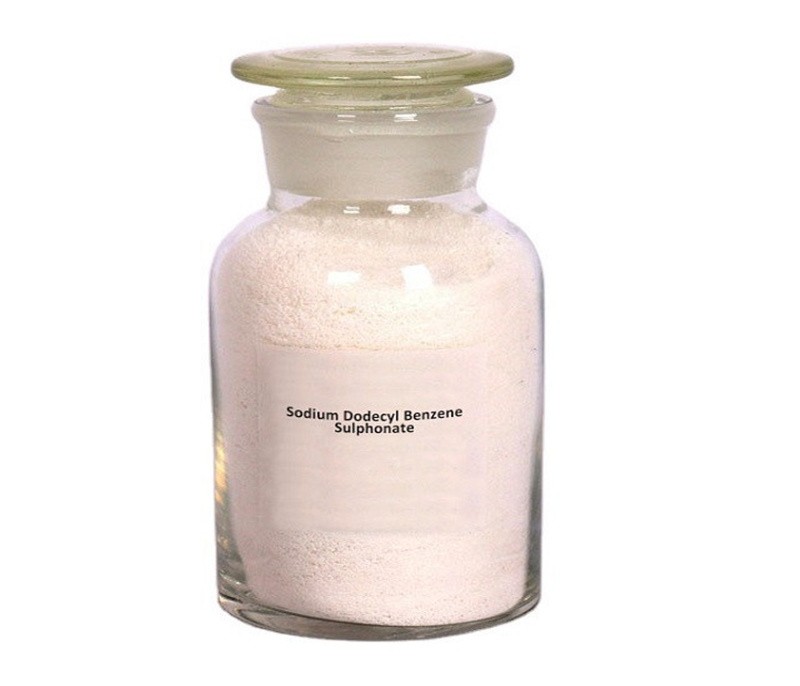
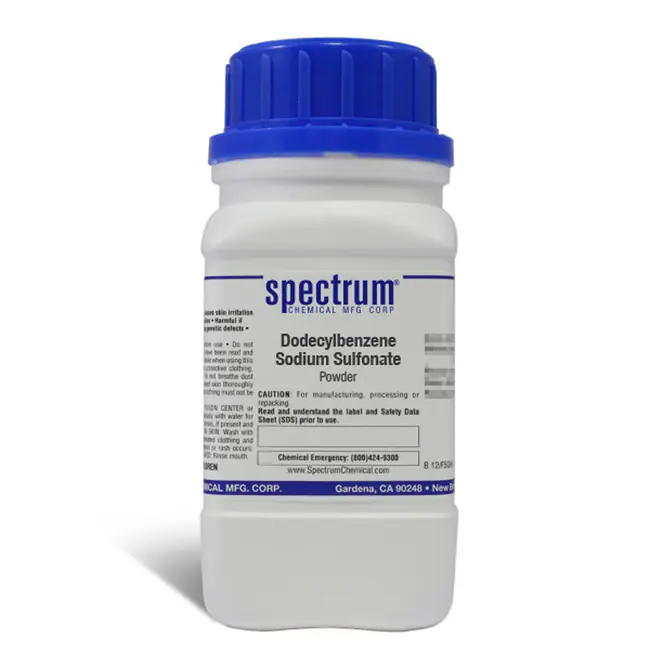
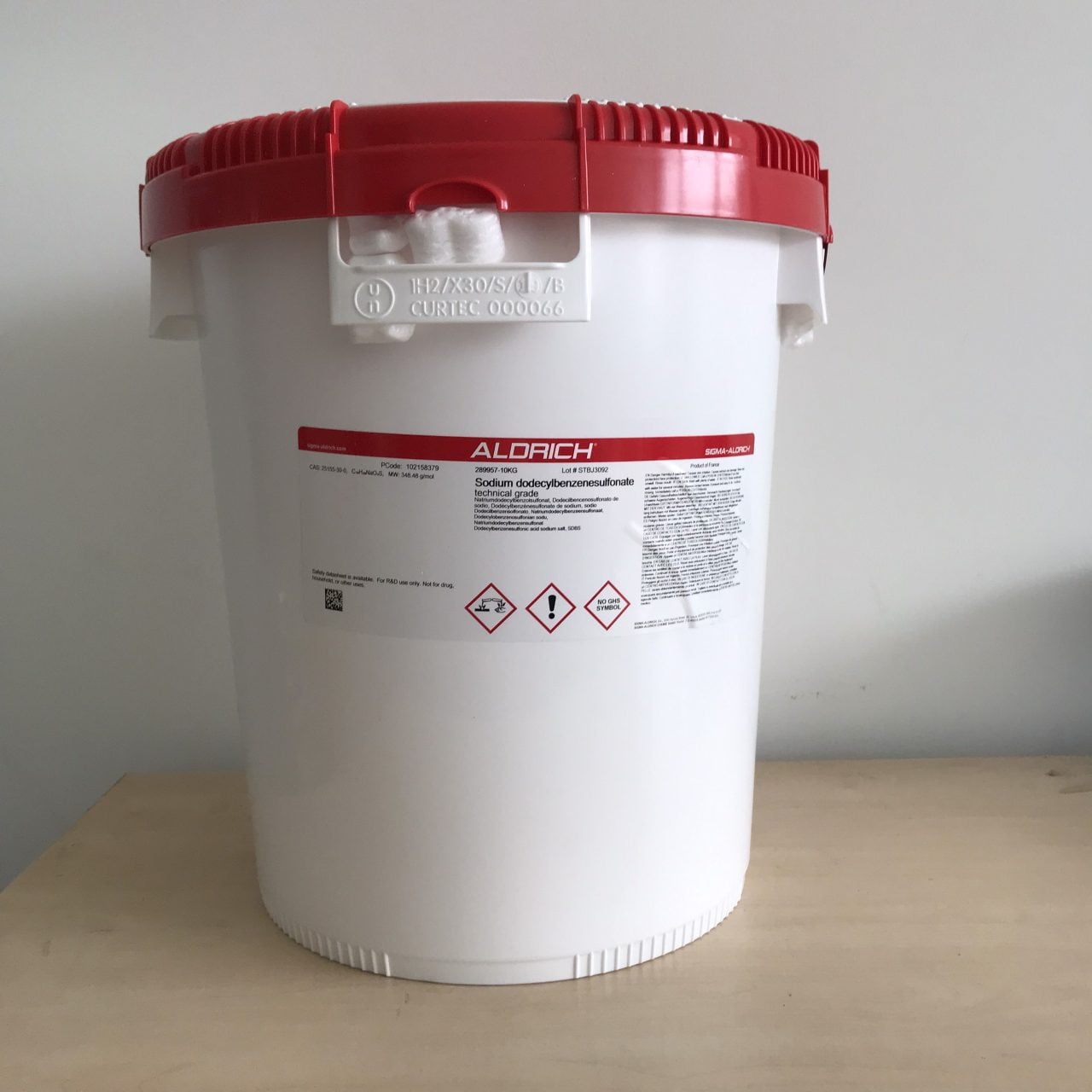
Sodium Dodecylbenzene Sulfonate (SDBS): Unveiling the Workhorse of Modern Cleaning
In the vast world of chemicals that power our daily lives, some are unsung heroes operating behind the scenes. One such crucial compound is Sodium Dodecylbenzene Sulfonate, more commonly known by its acronym SDBS. If you’ve ever done a load of laundry, washed dishes, or even cleaned your bathroom, chances are you’ve encountered the powerful cleaning action of SDBS.
At its core, SDBS is an anionic surfactant, a type of chemical compound that plays a vital role in detergents and cleaning agents. But what exactly does that mean, and how does it manage to lift dirt and grime so effectively?
The Science Behind the Suds: How SDBS Works
To understand SDBS, we need to look at its molecular structure:
- “Sodium” (Na): This is the counter-ion that makes the compound a salt and water-soluble.
- “Dodecylbenzene”: This is the hydrophobic (water-hating, oil-loving) part of the molecule. “Dodecyl” refers to a chain of 12 carbon atoms, and “benzene” is an aromatic ring structure. This long, non-polar tail is attracted to oils, greases, and dirt particles.
- “Sulfonate” (-SO₃⁻): This is the hydrophilic (water-loving) part of the molecule. It’s a highly polar group that readily interacts with water molecules.
This unique dual nature—a long hydrophobic tail and a polar hydrophilic head—is what defines a surfactant. SDBS molecules are like tiny molecular magnets, one end attracted to water and the other to oil.
When SDBS is added to water, it reduces the surface tension of the water. This allows the water to spread out more easily and penetrate fabrics or surfaces. More importantly, when it encounters dirt or grease (which are typically oily), the hydrophobic tails of the SDBS molecules attach to the oil droplets. The hydrophilic heads, meanwhile, remain facing outward towards the water.
This arrangement causes the dirt/oil particles to be surrounded by SDBS molecules, forming tiny spherical structures called micelles. The outside of these micelles is water-soluble, allowing the encapsulated dirt and oil to be easily lifted away from the surface and rinsed off with the water. This is the fundamental principle behind its cleaning power.
Where Do We Find SDBS? A Multitude of Applications
Due to its effectiveness, versatility, and relatively low cost, SDBS finds its way into a vast array of products:
- Laundry Detergents: This is perhaps its most prominent application. SDBS is a primary active ingredient in most powdered and liquid laundry detergents, efficiently removing stains and general soil.
- Dishwashing Liquids: It contributes to the foaming and grease-cutting power of hand dishwashing soaps.
- Household Cleaners: From floor cleaners to all-purpose sprays, SDBS helps to emulsify dirt and leave surfaces sparkling.
- Industrial Cleaners: Used in various industrial processes for degreasing, cleaning equipment, and as a wetting agent.
- Personal Care Products: While less dominant than some other surfactants (like SLES or SLS), it can be found in some shampoos, body washes, and hand soaps for its lathering and cleansing properties.
- Textile and Paper Industries: Used as a wetting agent, dispersant, and emulsifier in manufacturing processes.
- Agricultural Adjuvants: Helps pesticides and herbicides spread and penetrate plant surfaces more effectively.
Advantages of SDBS
- Excellent Cleaning Power: Highly effective at removing oil, grease, and particulate soil.
- Good Foaming Properties: Generates stable foam, which is often associated with cleaning efficacy (though not always crucial for it).
- Cost-Effective: Economical to produce, making it a popular choice for mass-produced cleaning products.
- Stable: Performs well in various water hardness levels and temperatures.
Considerations and Environmental Impact
While incredibly useful, it’s also important to consider the environmental and safety aspects of SDBS:
- Biodegradability: Modern SDBS is predominantly manufactured as Linear Alkylbenzene Sulfonate (LAS). The “linear” part is crucial because linear alkyl chains are much more readily biodegradable by microorganisms in wastewater treatment plants than older, branched versions, significantly reducing their environmental persistence.
- Aquatic Toxicity: Despite improved biodegradability, concentrated SDBS can still be toxic to aquatic life. Proper wastewater treatment and responsible disposal are essential.
- Skin and Eye Irritation: Like many surfactants, concentrated SDBS can cause skin and eye irritation upon prolonged contact. Products containing SDBS are formulated to be safe for their intended use, and proper dilution and rinsing are important. Individuals with sensitive skin might experience mild dryness or irritation.
Conclusion
Sodium Dodecylbenzene Sulfonate (SDBS) is a testament to the power of targeted chemistry. Its unique molecular structure allows it to effectively tackle the challenge of cleaning, making it an indispensable component in countless products we rely on daily. As chemistry continues to evolve, the focus remains on enhancing its performance while minimizing its environmental footprint, ensuring that this cleaning workhorse continues to serve us effectively and responsibly for years to come.



Reviews
There are no reviews yet.