

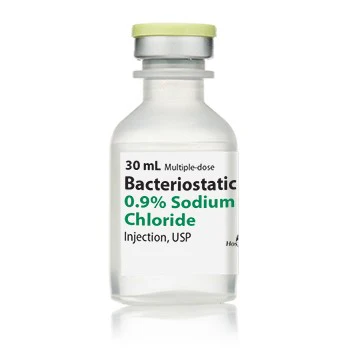
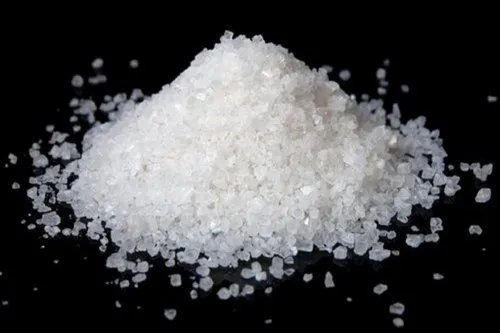
Description
1. Product Overview
Sodium Chloride (NaCl), commonly known as industrial salt, is a fundamental inorganic compound widely used across multiple industries due to its versatility and cost-efficiency. It serves as a critical raw material in chemical manufacturing, water treatment, food processing, and de-icing applications. With consistent quality and broad availability, it enables stable production processes and operational reliability. Strategically, sodium chloride remains indispensable in global supply chains, particularly as a feedstock for chlorine and caustic soda production, making it a cornerstone commodity in industrial chemistry.
2. Key Specifications & Technical Characteristics
- Chemical Composition: Sodium Chloride (NaCl ≥ 97–99.9% depending on grade)
- Purity Level / Grade: Industrial Grade, Food Grade, Pharmaceutical Grade (available upon request)
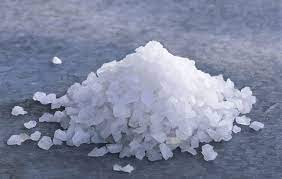
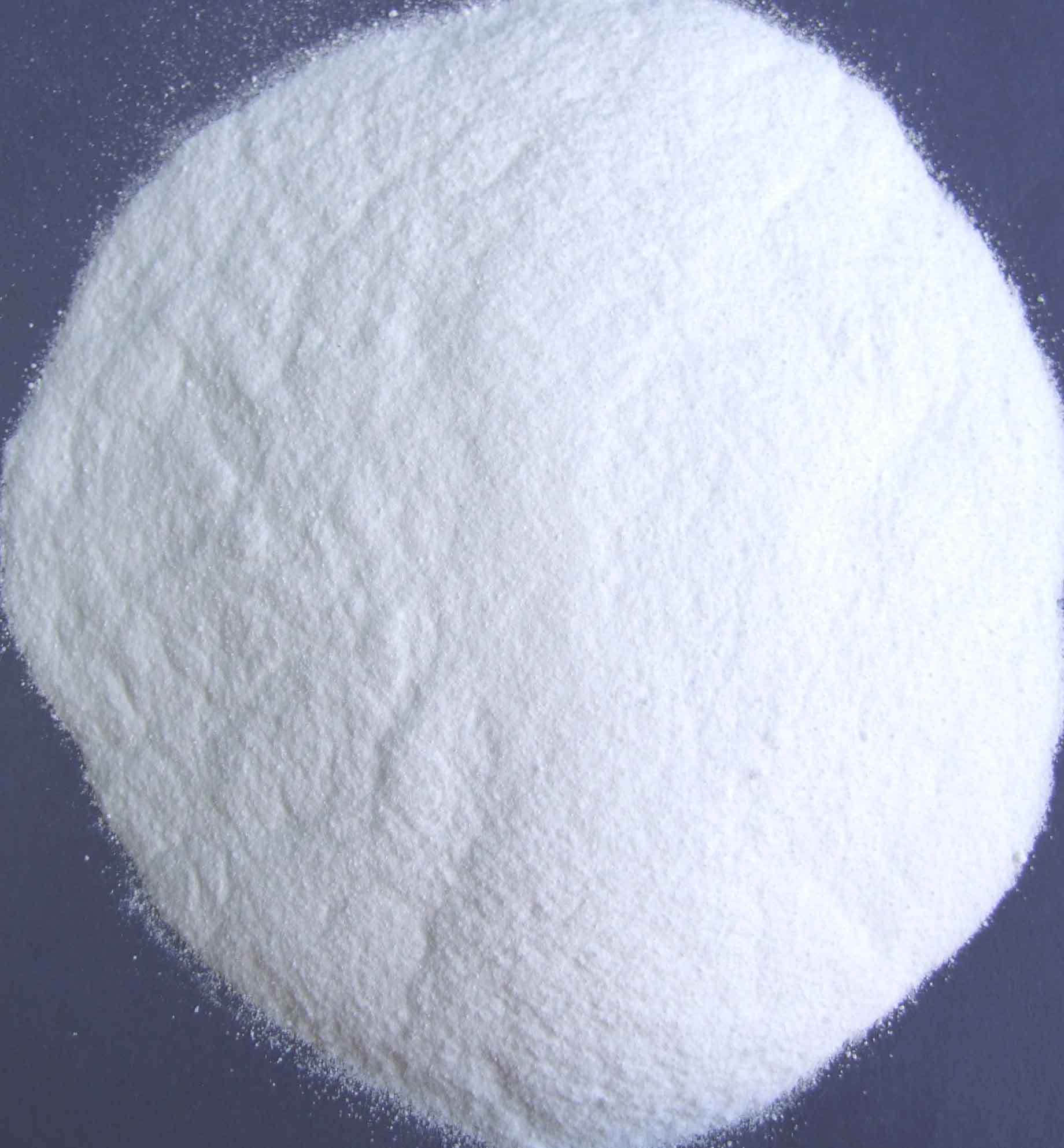
- Physical Form: Crystalline solid (fine, coarse, or granular)
- Color: White
- Particle Size: Customizable (fine powder to coarse crystals)
- Density: ~2.16 g/cm³
- Solubility: Highly soluble in water
- Moisture Content: Typically ≤ 0.5%
- Packaging Options:
- 25 kg / 50 kg PP bags
- 1 MT jumbo bags (FIBC)
- Bulk loose loading
- Shelf Life: Indefinite under dry, controlled storage conditions
3. Core Industrial Applications
Sodium chloride is extensively utilized in the chemical industry as a primary feedstock in chlor-alkali processes to produce chlorine, hydrogen, and sodium hydroxide. In water treatment, it is essential for ion-exchange resin regeneration and water softening systems, ensuring operational efficiency and system longevity. The food and beverage industry relies on it for preservation, flavor enhancement, and processing, while the oil & gas sector uses it in drilling fluids and well stabilization.
Its performance advantage lies in its high solubility, chemical stability, and low cost, making it more efficient than alternative salts or synthetic substitutes. Additionally, its widespread availability ensures uninterrupted operations, reducing procurement risks and maintaining production continuity.
4. Competitive Advantages
- Quality Consistency: Strict quality control ensures uniform composition and performance across batches
- Supply Reliability: Strong sourcing network with scalable production capacity for continuous supply
- Logistics Capability: Efficient global shipping with flexible bulk and containerized delivery options
- Price Competitiveness: Economies of scale enable cost-effective procurement for high-volume buyers
- Sustainability: Naturally abundant material with minimal processing requirements
- Technical Support: Comprehensive documentation (COA, MSDS) and application guidance available
5. Commercial & Supply Information
- Minimum Order Quantity (MOQ): Bulk 20 MT
- Loading Capacity:
- 20 FT Container: ~20–25 MT (depending on packaging format)



Reviews
There are no reviews yet.