

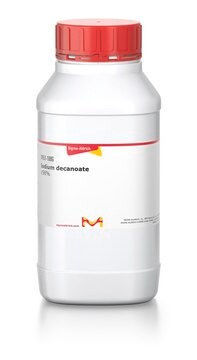

Description
Sodium Caprate: A Versatile Ingredient with Wide-Ranging Applications
Sodium caprate, also known as sodium decanoate, is a fascinating and increasingly important ingredient with diverse applications across various industries, from pharmaceuticals and cosmetics to food and personal care products. This versatile agent deserves a closer look to understand its properties, benefits, and the reasons behind its growing popularity.
What is Sodium Caprate?
Sodium caprate is a sodium salt of caprylic acid, a medium-chain fatty acid (MCFA) derived from coconut or palm kernel oil. It appears as a white to off-white powder and is generally recognized as safe (GRAS) by the U.S. Food and Drug Administration (FDA) for specific uses.
Key Properties and Mechanisms of Action:
Several key properties contribute to sodium caprate’s versatility:
- Absorption Enhancer: This is perhaps sodium caprate’s most significant feature. It acts as a permeation enhancer, increasing the absorption of various substances, particularly drugs, through biological membranes. This is achieved by several mechanisms, including:
- Disrupting the Lipid Bilayer: Sodium caprate can temporarily disrupt the tightly packed lipid structure of cell membranes, creating pathways for larger molecules to pass through.
- Opening Tight Junctions: It can reversibly open tight junctions, the seals between cells in epithelial tissues, further facilitating transport across cellular barriers.
- Increasing Paracellular Transport: This allows molecules to move between cells, bypassing the need for them to be transported through the cell itself.
- Emulsifying Agent: Sodium caprate exhibits emulsifying properties, helping to stabilize mixtures of oil and water.
- Surfactant: Its surfactant properties allow it to reduce surface tension between liquids, improving the spreadability and effectiveness of formulations.
Applications Across Industries:
The unique properties of sodium caprate make it valuable in a wide range of applications:
- Pharmaceuticals:
- Oral Drug Delivery Enhancement: By increasing the bioavailability of poorly absorbed drugs, sodium caprate allows for lower dosages and improved therapeutic outcomes. This is particularly useful for peptide and protein-based drugs, which are often difficult to administer orally.
- Transdermal Drug Delivery: Sodium caprate can enhance the penetration of drugs through the skin, making it valuable in transdermal patches and topical formulations.
- Targeted Drug Delivery: Researchers are exploring the use of sodium caprate in targeted drug delivery systems to ensure drugs reach specific cells or tissues.
- Cosmetics and Personal Care:
- Enhanced Absorption of Active Ingredients: It helps improve the absorption of beneficial ingredients in skincare products, such as antioxidants, vitamins, and anti-aging compounds.
- Improved Formulation Stability: Its emulsifying properties contribute to the stability and texture of creams, lotions, and other personal care products.
- Food Industry:
- Nutrient Absorption Enhancement: Though less common, sodium caprate can potentially enhance the absorption of certain nutrients in food products.
- Antimicrobial Properties: Some studies suggest that sodium caprate possesses antimicrobial properties, which could contribute to food preservation.
Safety Considerations:
Sodium caprate is generally considered safe for its intended uses when used at recommended concentrations. However, like any active ingredient, it’s crucial to follow recommended usage guidelines and consult safety data sheets. Allergic reactions are rare but possible.
Future Directions:
Research into the applications of sodium caprate is ongoing, with a focus on:
- Developing novel drug delivery systems: Exploring new ways to utilize its permeation-enhancing properties for targeted and efficient drug delivery.
- Optimizing formulations: Identifying the optimal concentrations and combinations of sodium caprate with other ingredients to maximize its benefits.
- Understanding its long-term effects: Further research is needed to fully understand the long-term effects of sodium caprate on the body.
Conclusion:
Sodium caprate is a powerful and versatile ingredient with significant potential to improve the efficacy and delivery of pharmaceuticals, cosmetics, and potentially even food products. Its ability to enhance absorption makes it a valuable tool for formulators seeking to optimize the performance of their products. As research continues, we can expect to see even more innovative applications of this fascinating compound in the future.




Reviews
There are no reviews yet.