
Description
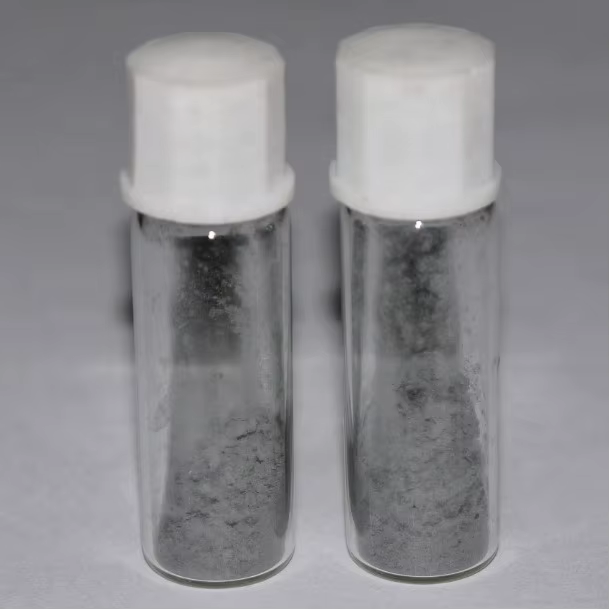
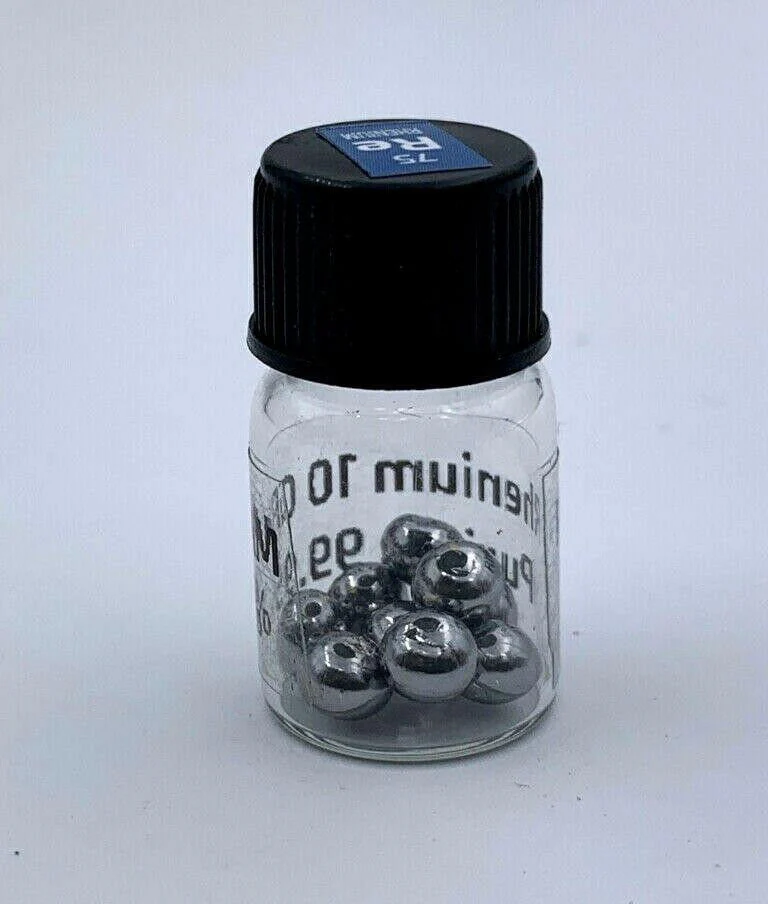
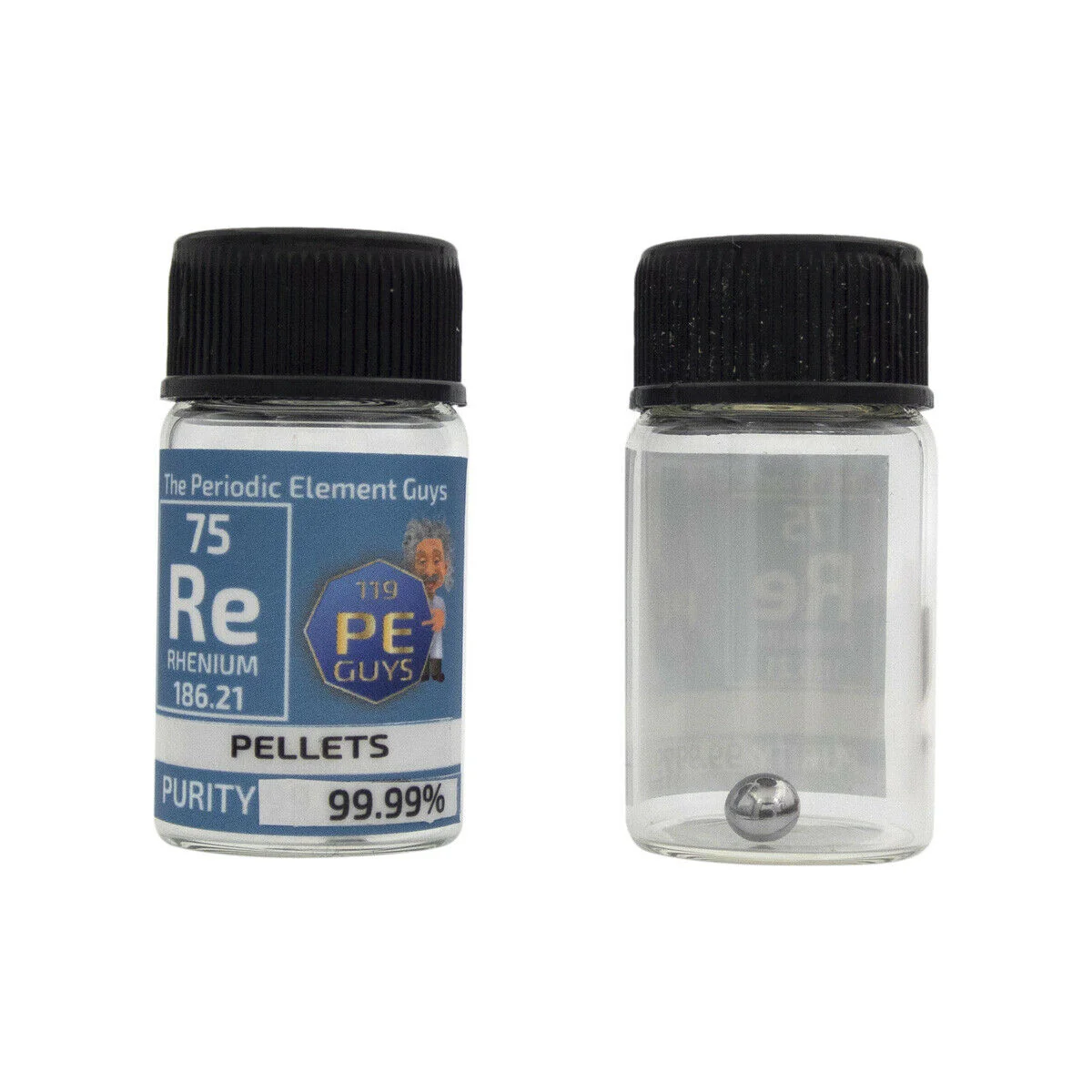
Rhenium Metal Powder: Unlocking Extreme Performance
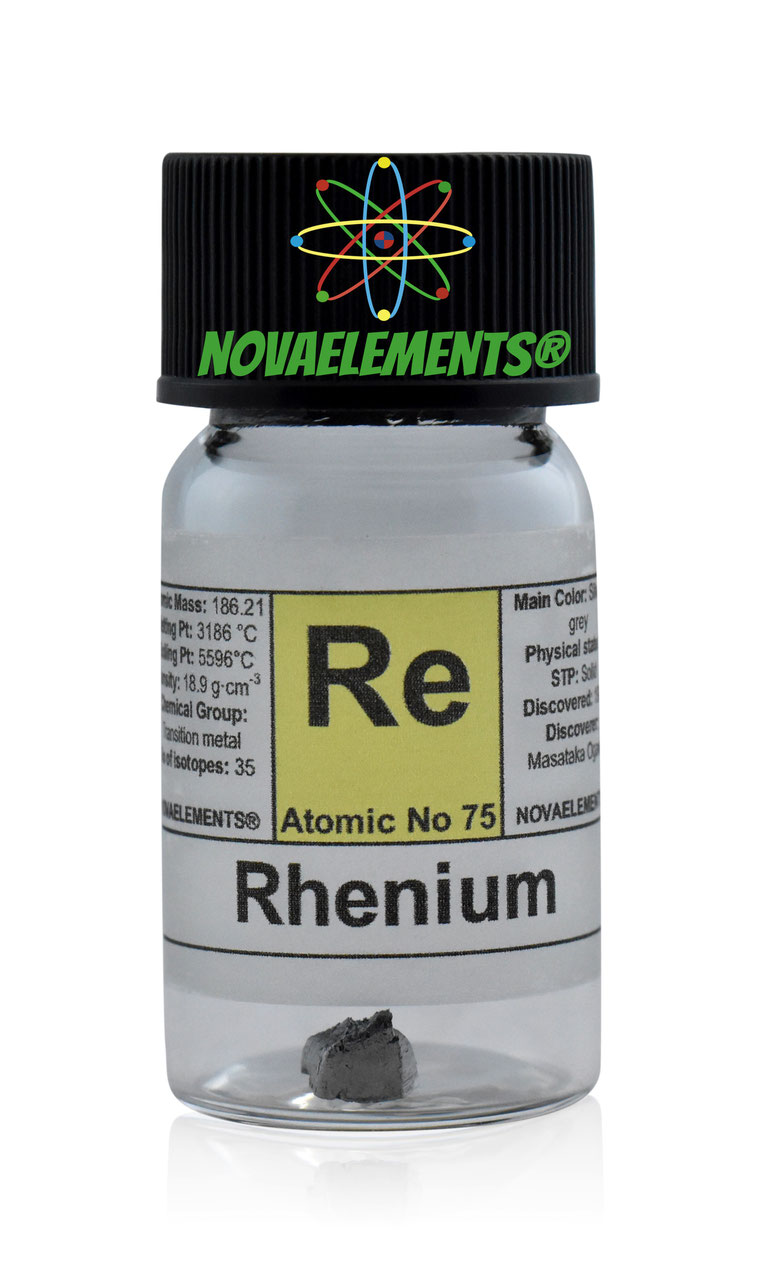
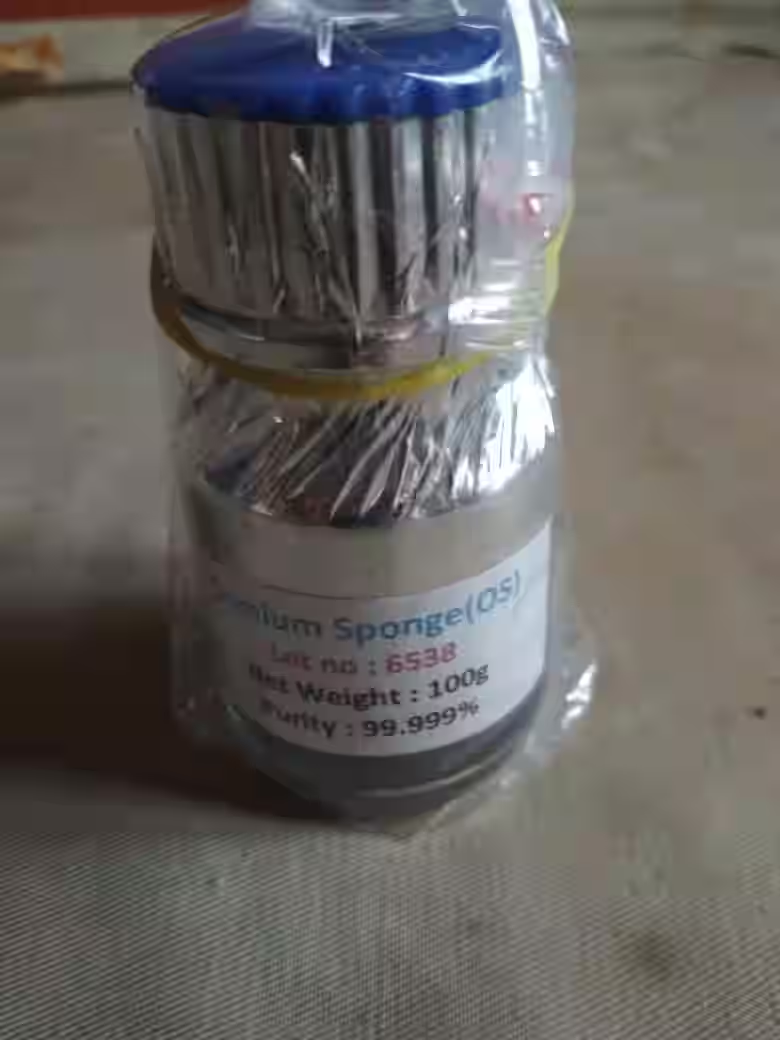
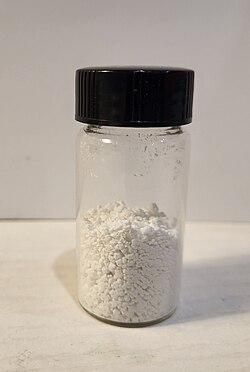
In the specialized world of advanced materials, some elements stand out for their extraordinary properties and critical applications. Among these, Rhenium (Re) holds a unique and indispensable position, particularly in its metal powder form. Rare, dense, and possessing an array of remarkable attributes, Rhenium metal powder is a cornerstone for industries demanding the absolute pinnacle of performance in extreme environments.
The Unique Properties of Rhenium
Rhenium is one of the densest stable elements and boasts the third-highest melting point of all elements (3186°C), surpassed only by tungsten and carbon. Beyond its formidable heat resistance, Rhenium exhibits:
- Exceptional High-Temperature Strength and Creep Resistance: It maintains its structural integrity and resists deformation even under immense stress and at scorching temperatures.
- Excellent Wear Resistance: Its hardness contributes to its durability in abrasive conditions.
- Good Electrical Conductivity: Making it suitable for high-performance electrical components.
- Unique Catalytic Properties: Particularly effective in certain chemical reactions, especially in the petrochemical industry.
- High Density: Useful in applications requiring significant mass in a small volume.
Why Powder Form? The Advantage of Versatility
While Rhenium can be formed into solid ingots, the powder form is often preferred due to its versatile processing advantages:
- Powder Metallurgy: The most common method, allowing the creation of complex shapes and alloys by pressing and sintering at high temperatures. This process enables precise control over the material’s microstructure, density, and porosity.
- Additive Manufacturing (3D Printing): Rhenium powder can be used in advanced 3D printing techniques, enabling the fabrication of intricate components with tailored properties.
- Surface Area: The high surface area of fine powder makes it ideal for catalytic applications, where maximum contact with reactants is crucial.
- Alloying: Easy to mix with other metal powders to create sophisticated high-performance alloys.
Diverse Applications of Rhenium Metal Powder
The unique properties of Rhenium metal powder translate into critical applications across various demanding industries:
- Aerospace and Defense (Superalloys): This is Rhenium’s most significant application. It’s a vital alloying element (typically 3-6%) in nickel-based superalloys used for jet engine turbine blades and other hot section components. Its inclusion drastically improves high-temperature strength, creep resistance, and ductility, directly contributing to more fuel-efficient and powerful aircraft engines.
- Petrochemical Industry (Catalysts): Platinum-Rhenium catalysts are indispensable in petroleum reforming processes, particularly for producing high-octane, lead-free gasoline. The Rhenium enhances the catalyst’s stability and activity, leading to increased yields and longer catalyst life.
- Electronics and Electrical Components: Rhenium’s high melting point and wear resistance make it suitable for electrical contacts, switching devices, and high-temperature thermocouples (especially Rhenium-Tungsten alloys) used in furnaces and scientific instruments.
- Heating Elements and Filaments: Due to its extreme temperature resistance, Rhenium is used in specialized heating elements for vacuum furnaces and in mass spectrometers.
- Medical Applications: While elemental Rhenium is generally stable, its radioactive isotopes are explored for targeted cancer therapy, often derived from its original pure form.
Rarity and Production
Rhenium is one of the rarest elements in the Earth’s crust, occurring at concentrations of about one part per billion. It is primarily obtained as a byproduct of molybdenum and copper mining, where it’s found in trace amounts within the sulfide ores. This scarcity, coupled with the complex extraction and purification processes, contributes to its status as one of the most expensive industrial metals.
Handling and Safety
Like any fine metal powder, Rhenium powder requires careful handling in controlled environments to prevent dust inhalation and manage potential fire or explosion risks associated with finely divided metallic particles. While elemental Rhenium is generally considered to have low toxicity, standard industrial hygiene practices are always recommended.
Conclusion
Rhenium metal powder, despite its rarity and cost, remains an indispensable material pushing the boundaries of performance in extreme environments. From enabling more efficient jet engines to refining the fuels that power our world, its unique combination of properties makes it a vital component in an ever-growing array of high-technology applications. As industries continue to demand more resilient, efficient, and sophisticated materials, the strategic importance of Rhenium metal powder is only set to grow.


Reviews
There are no reviews yet.