
Description
1. Product Overview
Recovered Polyol Residues are industrial by-products generated during the manufacturing, processing, or recycling of polyols used in polyurethane and polymer production. These residues contain valuable hydroxyl-rich compounds that remain suitable for various secondary industrial applications. They are widely used in polymer reformulation, chemical recovery processes, energy recovery, and certain construction material formulations. The key value proposition lies in offering a cost-efficient alternative feedstock for manufacturers requiring functional polyol content without the premium cost of virgin materials. As industries increasingly prioritize circular economy practices, Recovered Polyol Residues represent a strategically important resource for reducing raw material costs while improving sustainability in chemical manufacturing.
2. Key Specifications & Technical Characteristics
- Chemical Composition: Residual Polyols (polyether or polyester polyols), organic intermediates, trace catalysts, process-derived additives
- Hydroxyl Content: Variable depending on source stream
- Purity/Grade: Industrial Grade (Recovered Process Residue)
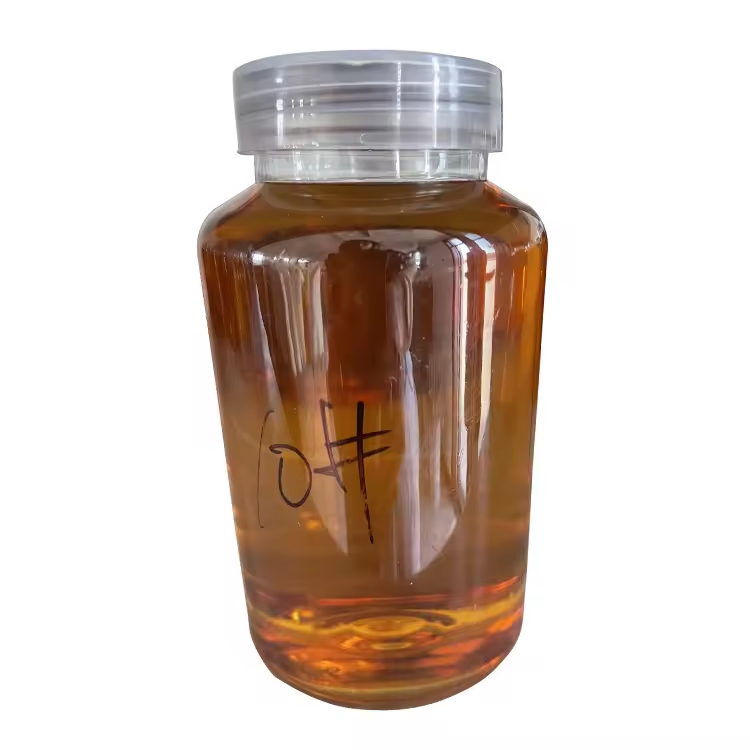
- Physical Form: Viscous liquid or semi-liquid material
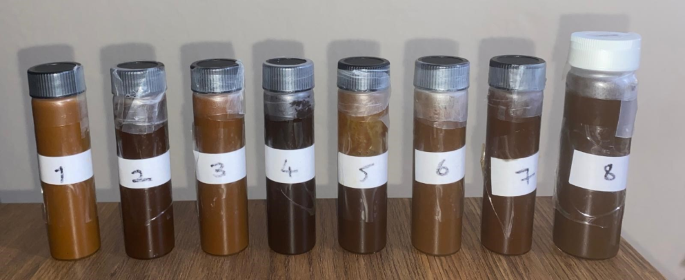
- Color: Light amber to dark brown
- Odor: Mild chemical or process-derived odor
- Density: Typically 1.00 – 1.15 g/cm³
- Viscosity: Variable depending on composition and processing conditions
- Solubility: Compatible with many organic solvents and polymer systems
- Packaging Options: Bulk tanker trucks, IBC containers, or 200L industrial drums
- Shelf Life: Typically 6–12 months when stored in sealed containers under controlled conditions
3. Core Industrial Applications
Polyurethane & Polymer Manufacturing
Recovered Polyol Residues can be reintroduced into polyurethane formulations as a partial replacement for virgin polyols. They provide functional hydroxyl groups required for polymerization reactions while lowering raw material costs.
Construction Materials & Insulation Products
Used in the production of rigid foams, insulation boards, and composite materials where strict high-purity polyol grades are not required but reactive functionality remains beneficial.
Industrial Binder & Resin Production
Suitable as a secondary feedstock in the production of certain resins, adhesives, and binder systems where hydroxyl functionality contributes to polymer crosslinking.
Energy Recovery & Industrial Processing
Due to their organic composition and calorific value, polyol residues may also be used in controlled industrial energy recovery or chemical processing systems.
Compared with virgin polyols, recovered residues provide a cost-efficient raw material option while maintaining sufficient functional reactivity for numerous industrial processes. This makes them particularly attractive for large-scale operations seeking both economic and sustainability advantages.
4. Competitive Advantages
- Quality Consistency: Controlled sourcing from established polyurethane and chemical production streams ensures predictable composition profiles
- Supply Reliability: Continuous availability from industrial manufacturing operations supports stable long-term procurement
- Logistics Capability: Bulk handling infrastructure and containerized transport allow efficient global shipping
- Price Competitiveness: Significantly lower cost compared with virgin polyols, improving production margins for large-scale manufacturers
- Sustainability Benefits: Supports circular material utilization by recovering value from chemical process streams
- Technical Documentation: Product specifications, safety data sheets, and composition guidance available for industrial procurement and compliance
5. Commercial & Supply Information
- Minimum Order Quantity (MOQ): BULK 20 MT
- Loading Capacity: 20–24 MT per 20’ container depending on packaging configuration
Reviews
There are no reviews yet.