
Description
1. Product Overview
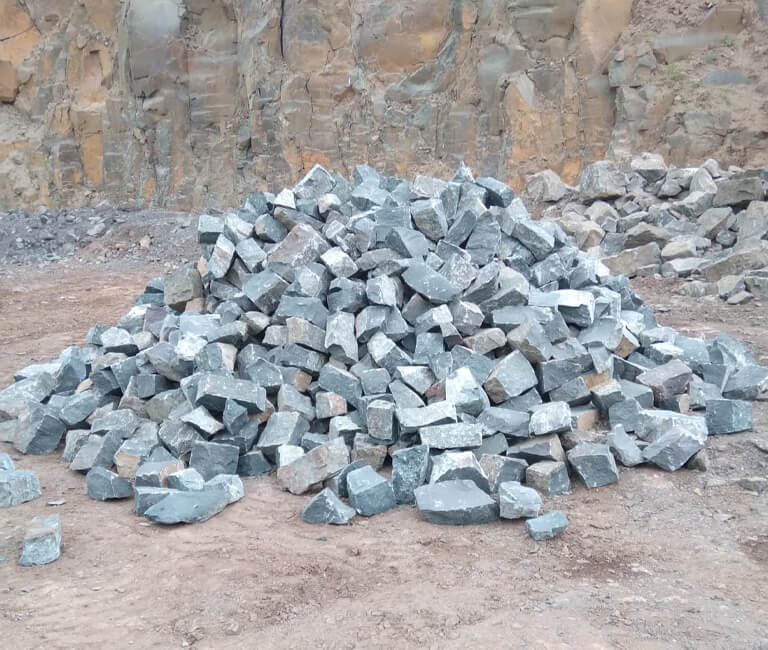
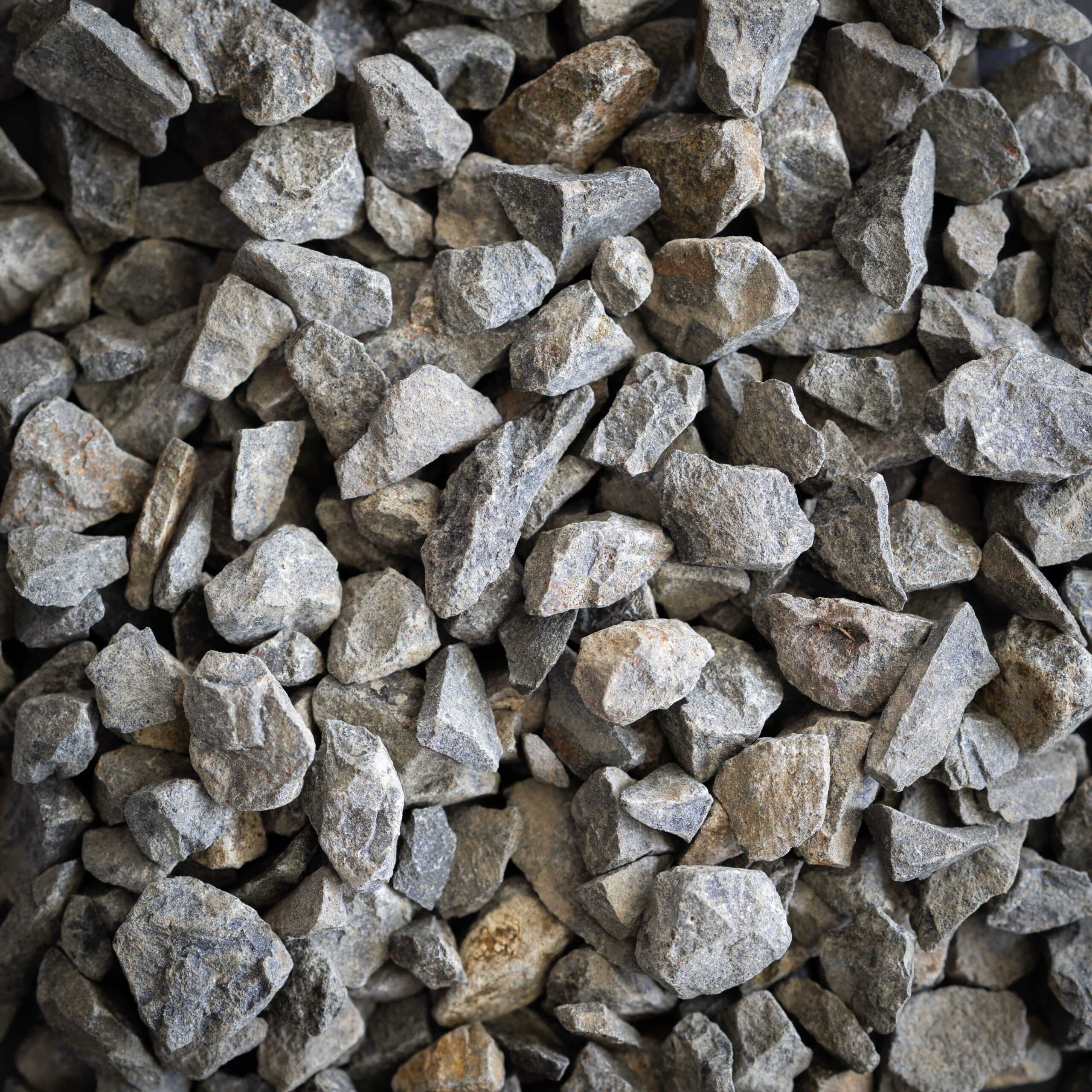
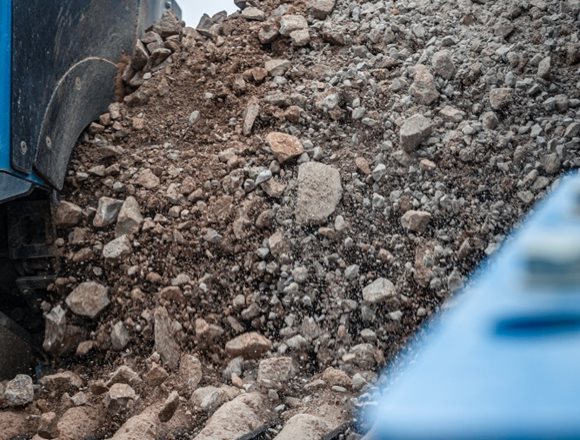
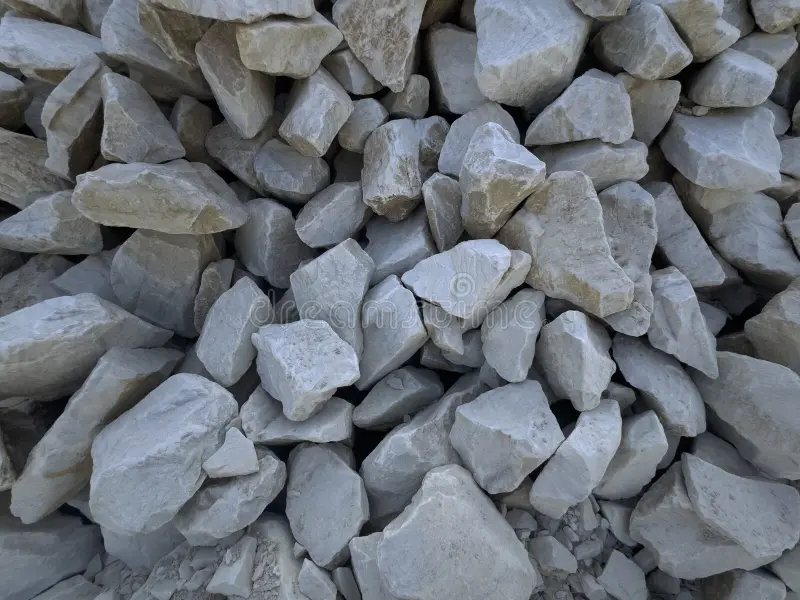
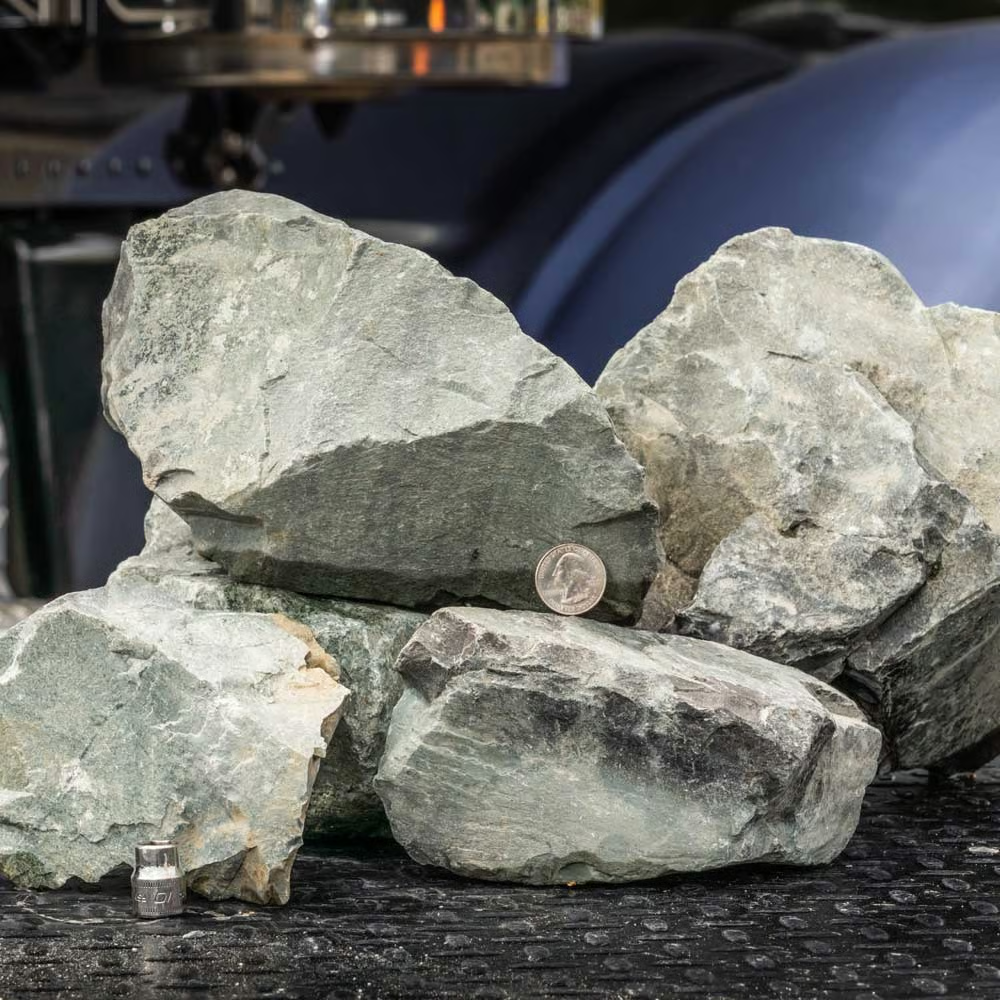
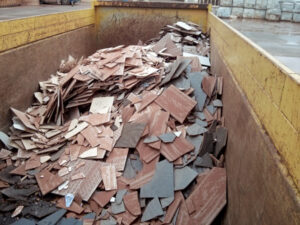
Quarry Rock Residues are mineral-rich byproducts generated during the crushing, screening, and processing of quarried stone. Composed primarily of fine rock particles and mineral fragments, these residues are widely utilized across construction, infrastructure development, and industrial material processing. Their consistent mineral composition and versatile particle size make them an efficient and cost-effective raw material for applications such as aggregate blending, cement manufacturing, and land development. As global industries prioritize resource efficiency and sustainable material sourcing, Quarry Rock Residues represent a strategically valuable secondary raw material that supports circular economy initiatives while reducing production costs.
2. Key Specifications & Technical Characteristics
- Material Composition: Natural crushed stone fines consisting primarily of silica (SiO₂), alumina (Al₂O₃), calcium carbonate (CaCO₃), and trace mineral oxides depending on source rock
- Purity / Grade: Industrial-grade mineral residue with minimal organic contamination
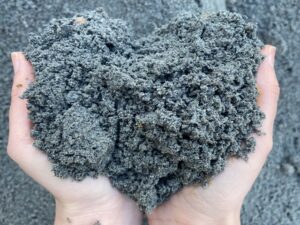
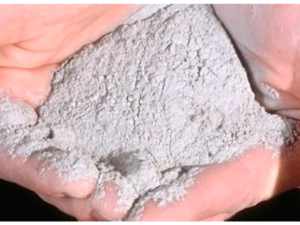
- Physical Form: Fine granular or powder-like mineral material
- Color: Typically gray, beige, or light brown depending on geological origin
- Particle Size: Generally <10 mm; customizable fractions available depending on screening processes
- Bulk Density: Approximately 1.4 – 1.8 g/cm³ (varies by mineral composition and moisture content)
- Moisture Content: Typically low; may vary based on storage conditions
- Packaging Options:
- Bulk loose loading
- 1 MT jumbo bags (FIBC)
- Custom industrial packaging upon request
- Shelf Life: Indefinite when stored in dry, covered conditions
3. Core Industrial Applications
Construction & Infrastructure Development
Quarry Rock Residues are widely used as a filler material in asphalt, concrete production, and road base stabilization. Their mineral composition enhances compaction properties and structural stability in large-scale infrastructure projects.
Cement & Building Materials Manufacturing
Manufacturers integrate these residues into cement blends, masonry products, and precast materials as a mineral additive, improving cost efficiency while maintaining required mechanical performance.
Aggregate Blending & Base Materials
Fine quarry residues are blended with coarser aggregates to optimize gradation profiles for construction aggregates, improving load-bearing capacity and compaction efficiency.
Land Reclamation & Site Development
Due to their mineral stability and compaction properties, quarry residues are commonly applied in land leveling, embankment construction, and site preparation projects.
Industrial Mineral Processing
Certain mineral compositions allow the residues to serve as feedstock for secondary mineral recovery, ceramics, or filler materials in industrial products.
Compared with newly extracted aggregates, Quarry Rock Residues provide a cost-efficient and environmentally responsible alternative while delivering reliable mechanical performance.
4. Competitive Advantages
- Consistent Mineral Quality: Derived from controlled quarry operations with predictable geological composition
- Reliable Supply: Continuous availability from large-scale quarry processing facilities
- Efficient Bulk Logistics: Suitable for high-volume transport via bulk containers and industrial shipping channels
- Cost Efficiency: Lower raw material cost compared with primary quarried aggregates
- Sustainability Benefits: Promotes material reuse and reduces quarry waste disposal requirements
- Scalable Supply Capacity: Suitable for long-term procurement contracts and infrastructure-scale projects
- Technical Documentation: Material composition data and quality specifications available upon request
5. Commercial & Supply Information
- Minimum Order Quantity (MOQ): BULK 20 MT
- Loading Capacity: 25–28 MT per 40’ container (depending on moisture level and packaging format)
Reviews
There are no reviews yet.