


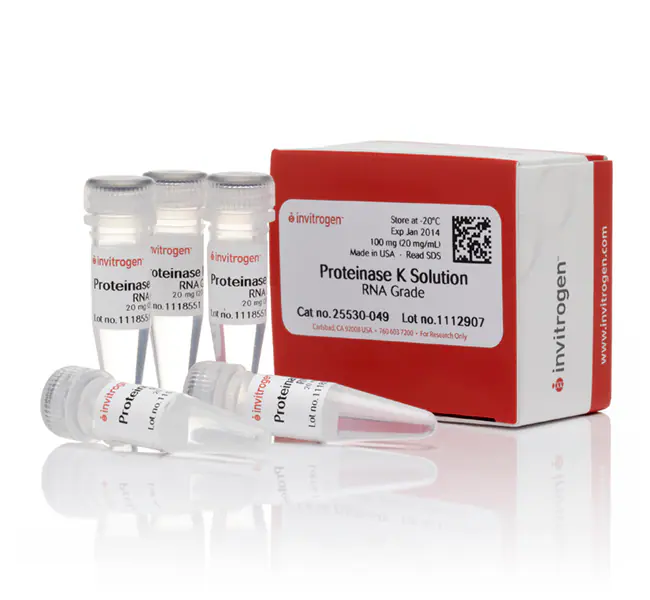


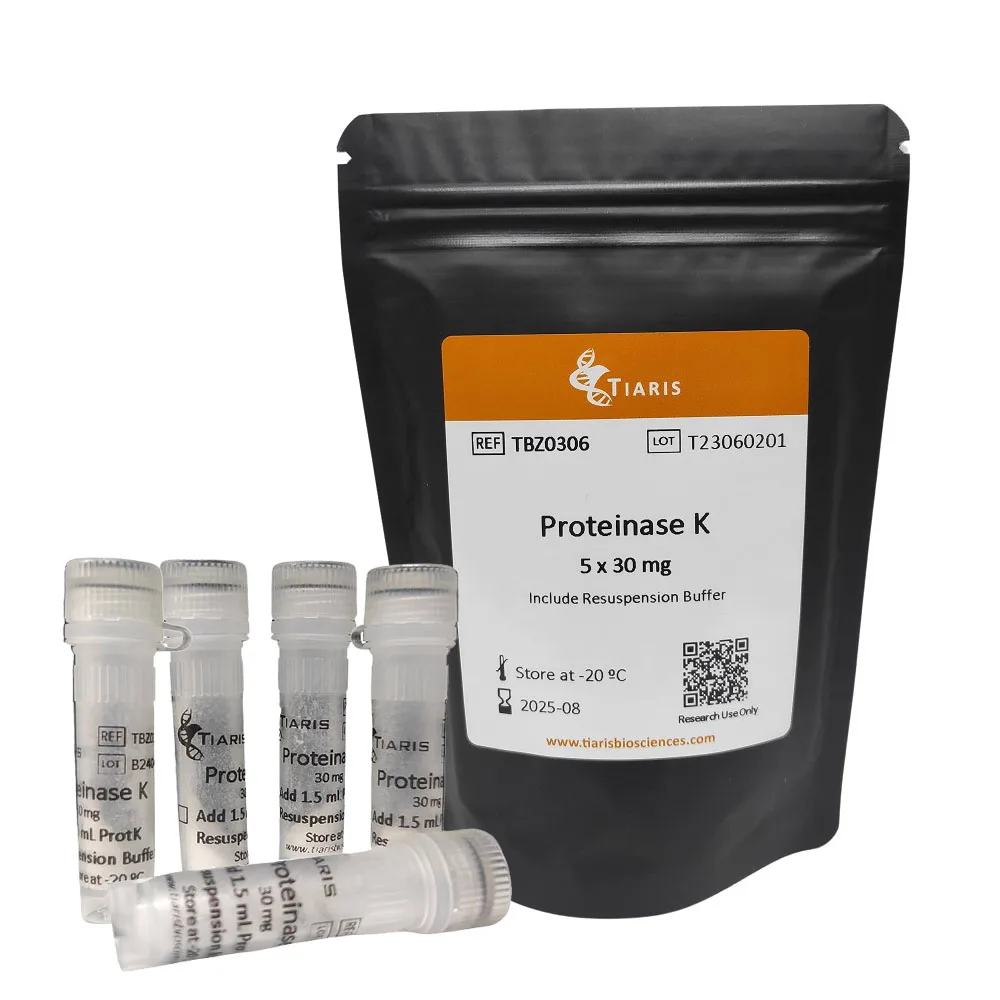
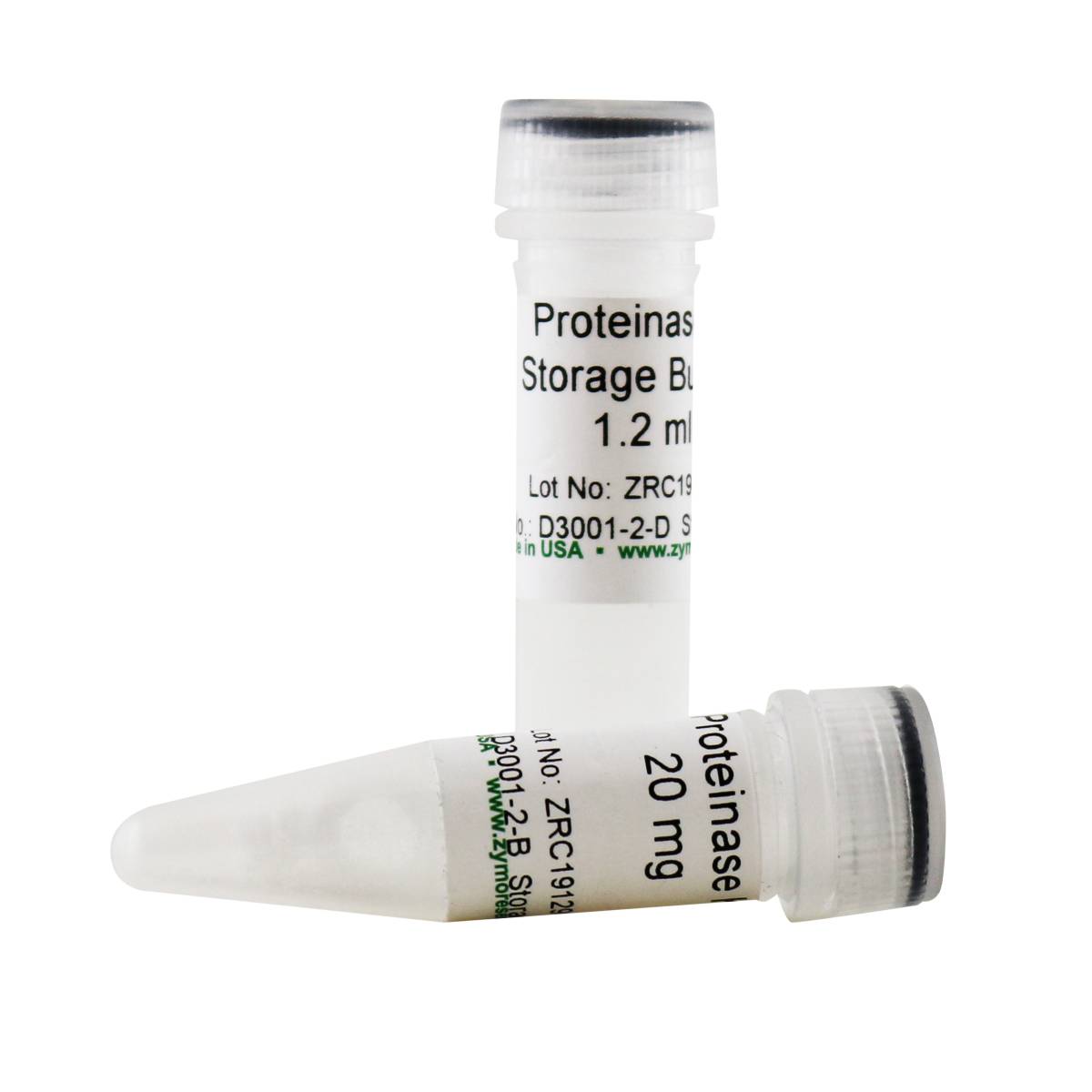
Description
Proteinase K: The Molecular Scissor That Revolutionized Molecular Biology
Proteinase K, often hailed as the “molecular scissor,” is a highly active serine protease with broad specificity. Its exceptional ability to digest proteins makes it an indispensable tool in a wide range of molecular biology applications, from DNA/RNA extraction to cell lysis. This article delves into the properties, applications, and significance of this powerful enzyme.
What is Proteinase K?
Proteinase K, originally isolated from the fungus Engyodontium album (formerly Tritirachium album), belongs to the subtilisin family of serine proteases. This means it utilizes a serine residue in its active site to cleave peptide bonds within proteins. Its key features include:
- Broad Specificity: Unlike highly specific proteases, Proteinase K exhibits broad substrate specificity, meaning it can degrade a vast array of proteins, both native and denatured.
- High Activity: It boasts high enzymatic activity, even in the presence of detergents like SDS, urea, and EDTA. This is particularly crucial in applications where these substances are used to lyse cells and denature proteins.
- Stability: Proteinase K remains active over a wide range of pH and temperature. It can function effectively between pH 7.5 and 12, and at temperatures ranging from 20°C to 60°C, with optimal activity around 50-60°C.
- Calcium Dependence, but not entirely: While calcium ions enhance its stability and activity, Proteinase K can still function, albeit at a reduced rate, in their absence.
Applications of Proteinase K: A Molecular Workhorse
Proteinase K’s versatility allows it to be used across diverse molecular biology techniques. Here are some prominent examples:
- DNA/RNA Extraction: This is perhaps its most well-known application. During nucleic acid extraction protocols, Proteinase K is used to digest cellular proteins, including nucleases, which could degrade the desired DNA or RNA. By removing these potentially damaging proteins, Proteinase K ensures high-quality and high-yield nucleic acid isolation. This is crucial for PCR, sequencing, and other downstream applications.
- Removal of Contaminating Proteins: It’s used to remove protein contaminants from PCR products, plasmid DNA, and other samples, ensuring cleaner and more reliable results.
- Cell Lysis: Proteinase K aids in cell lysis, particularly in protocols targeting specific proteins or organelles. Its ability to degrade proteins in the presence of detergents enhances cell disruption and release of cellular contents.
- Protein Fingerprinting: Proteinase K’s broad specificity makes it useful in generating peptide fragments for protein fingerprinting techniques, aiding in protein identification and characterization.
- In situ Hybridization: Proteinase K can be used to digest proteins that might hinder probe access during in situ hybridization, improving the sensitivity and specificity of this technique.
- Tissue Digestion: It can be employed to digest tissues and release individual cells or extract DNA from tissue samples, particularly in forensic science and pathology.
Why is Proteinase K so Important?
Proteinase K has significantly advanced molecular biology research by:
- Simplifying Procedures: Its ability to function in harsh conditions eliminates the need for extensive purification steps, streamlining experimental protocols.
- Improving Yield and Quality: By inactivating nucleases, it safeguards precious DNA and RNA samples, leading to higher yields and improved quality for downstream applications.
- Expanding Research Possibilities: Its broad specificity allows researchers to study a wider range of proteins and biological processes.
- Boosting Efficiency: The enzyme’s high activity allows for faster and more efficient protein degradation, saving significant time and resources.
Conclusion:
Proteinase K is a powerful and versatile enzyme that has revolutionized molecular biology research. Its broad specificity, high activity, and stability make it an indispensable tool for DNA/RNA extraction, protein removal, cell lysis, and numerous other applications. Its continued use ensures reliable and high-quality results, accelerating scientific discovery and contributing to advances in various fields, including genomics, proteomics, and biotechnology. As research continues to evolve, Proteinase K will undoubtedly remain a cornerstone in the molecular biologist’s toolkit.




Reviews
There are no reviews yet.