


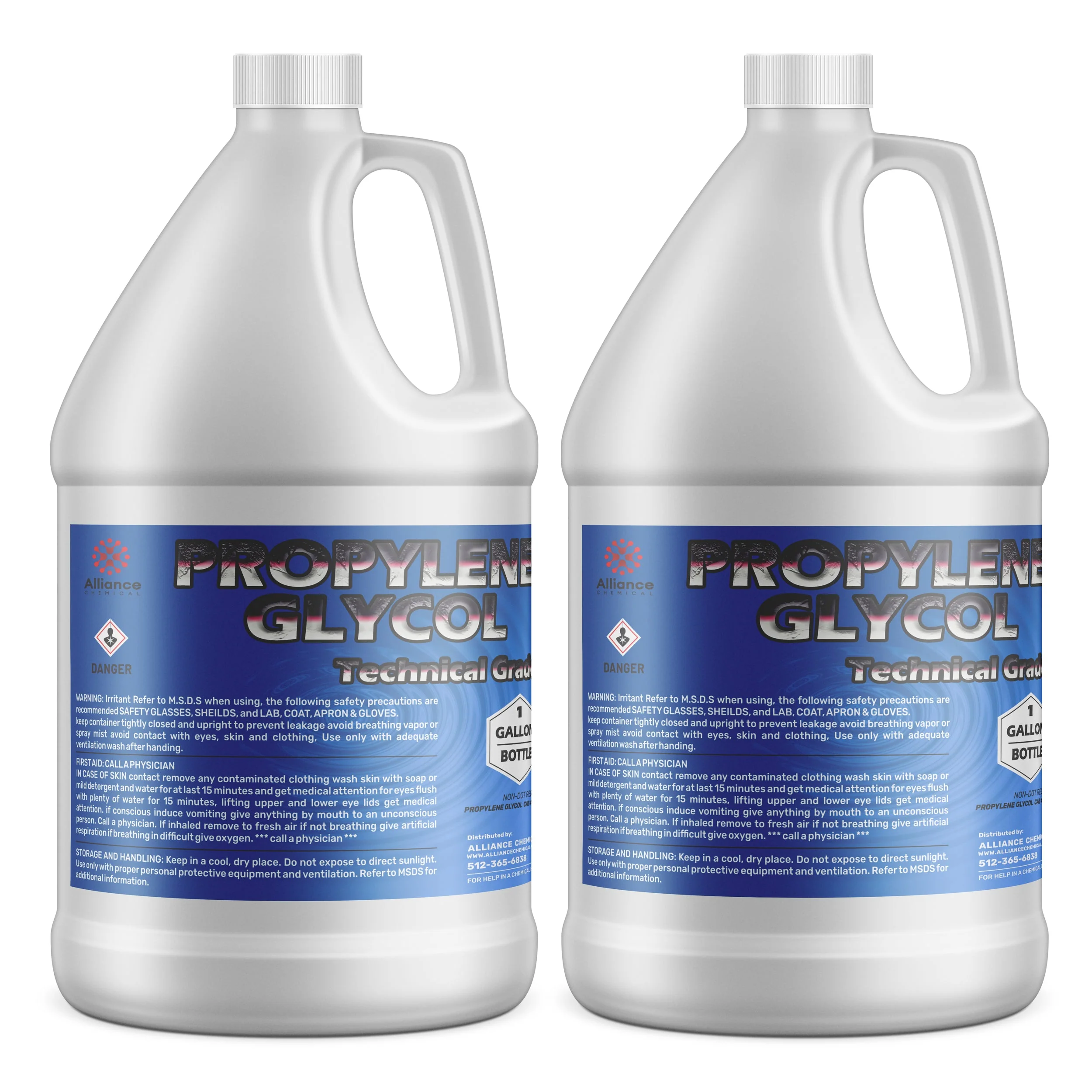
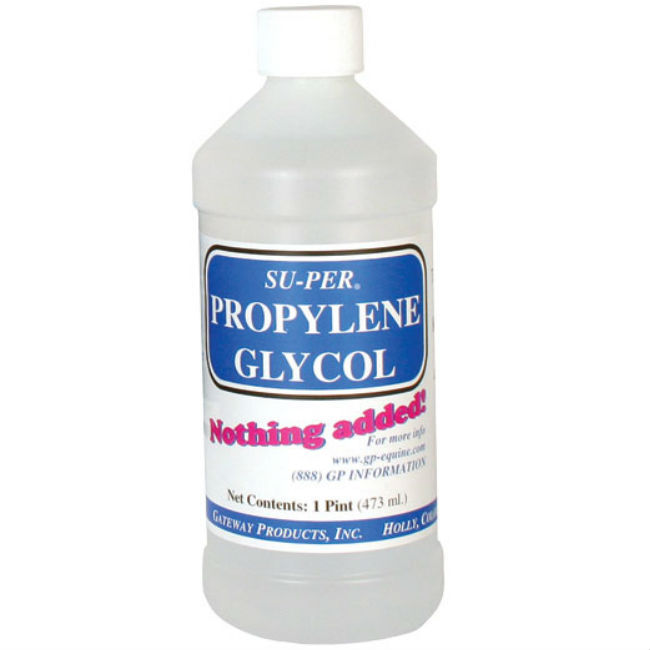
Description
1. Product Overview
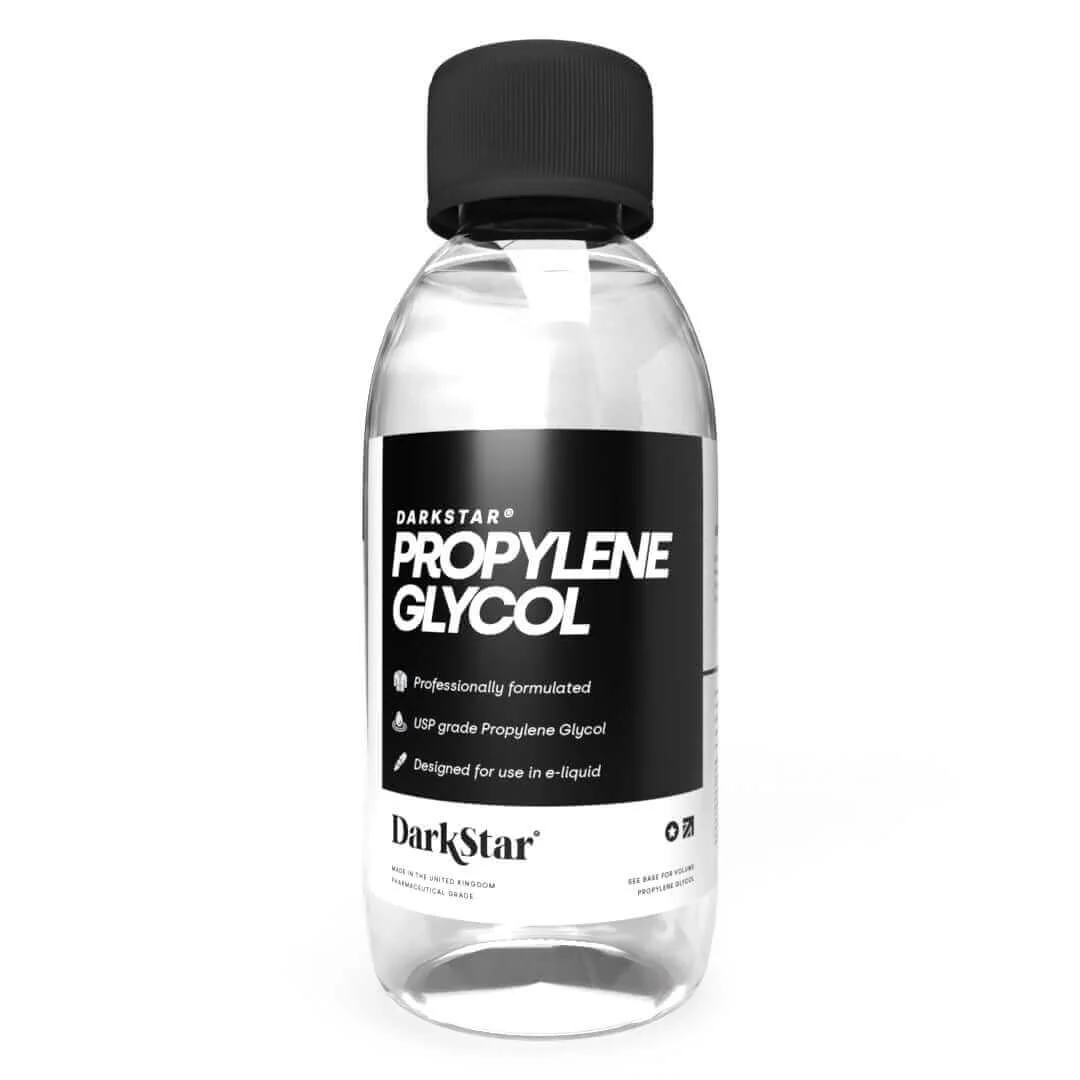
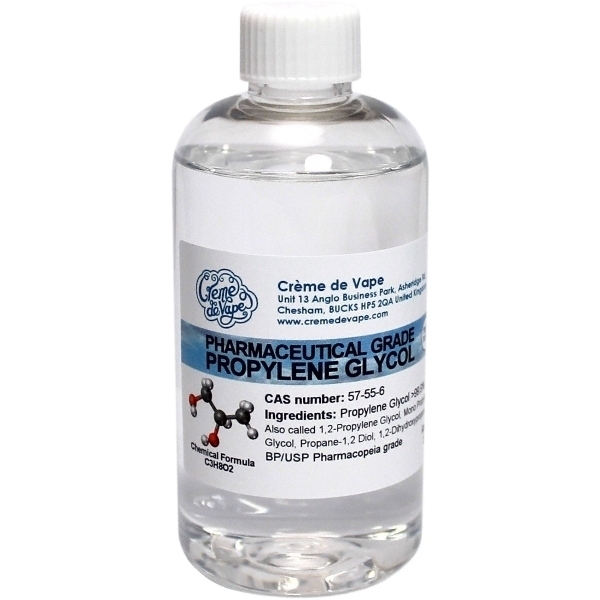
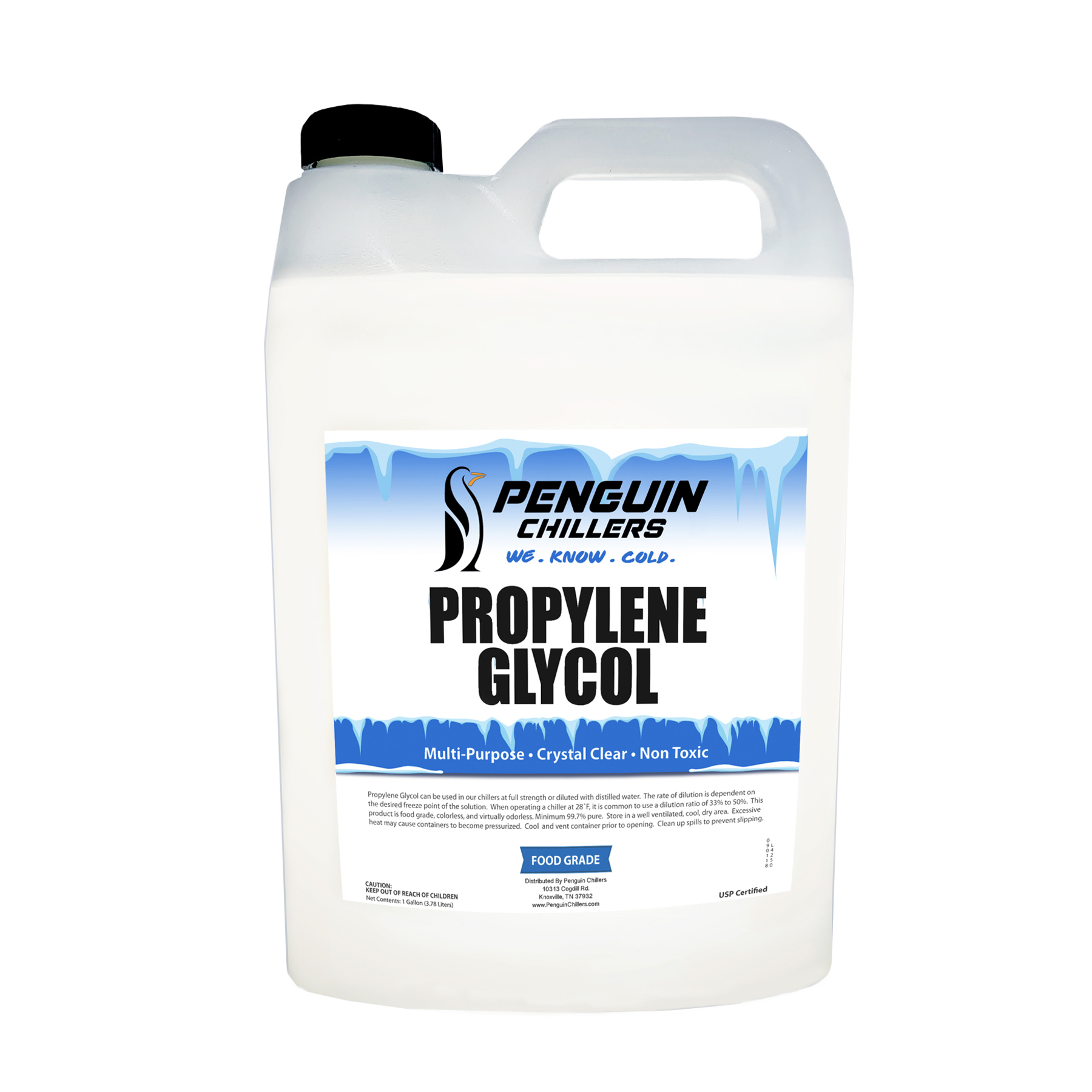
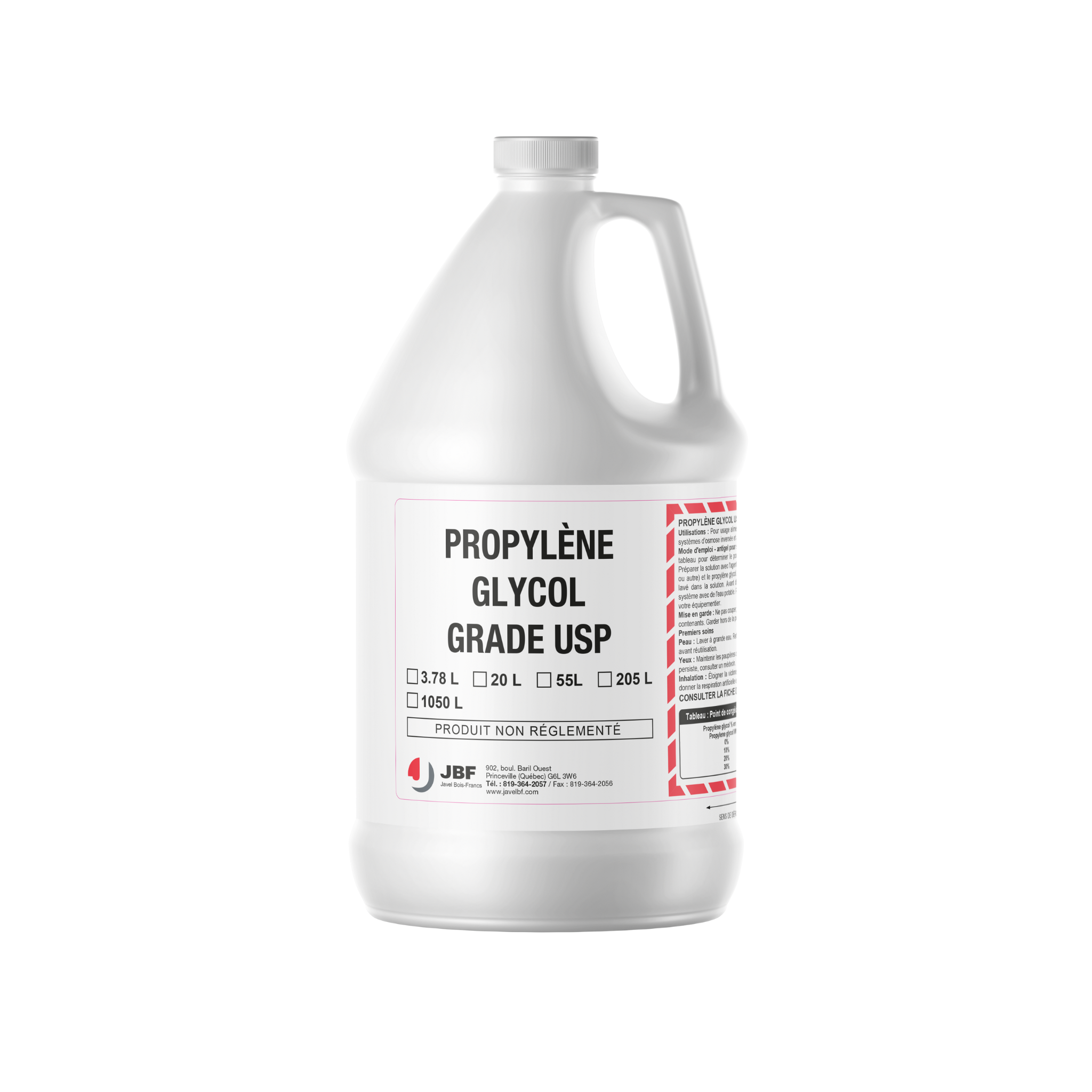
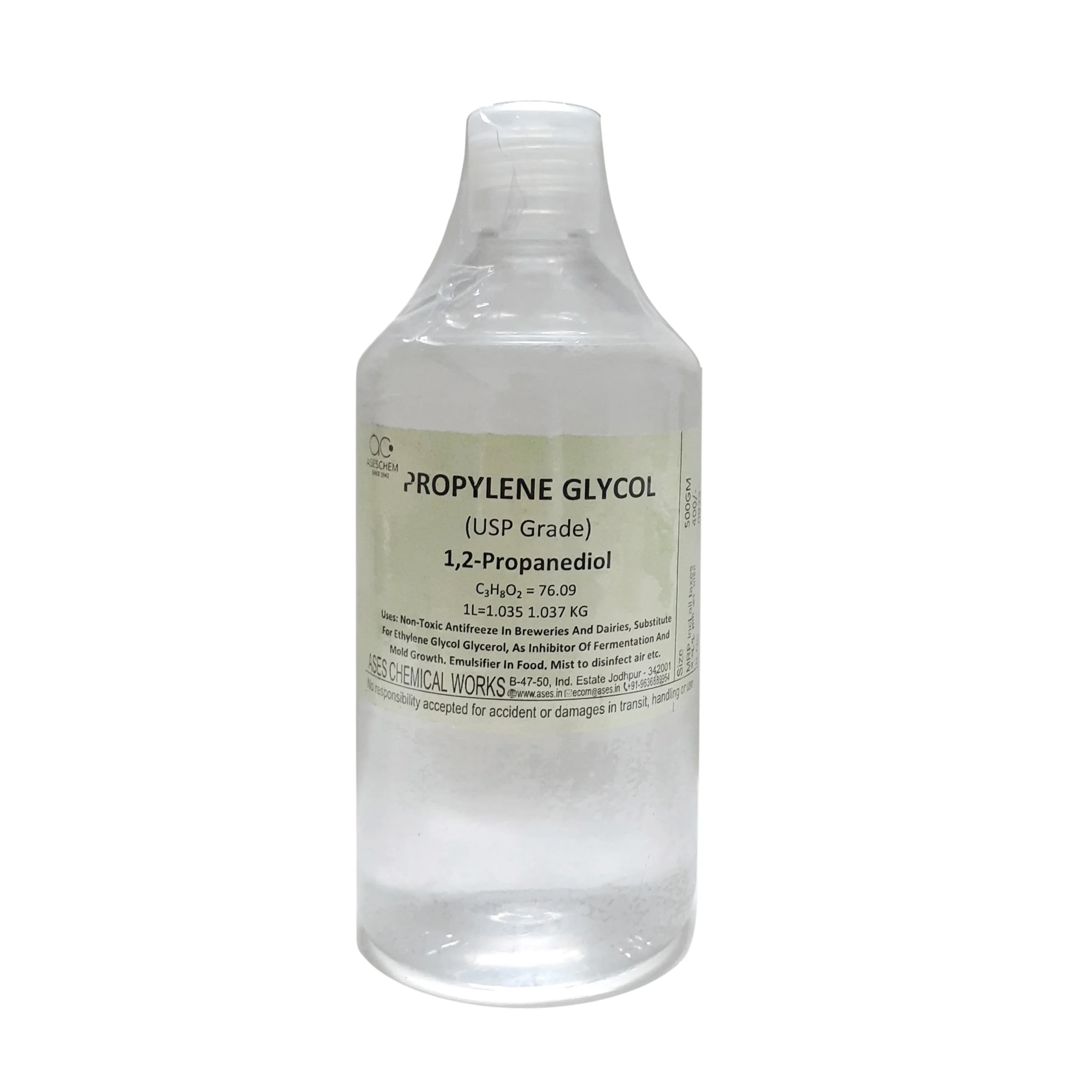
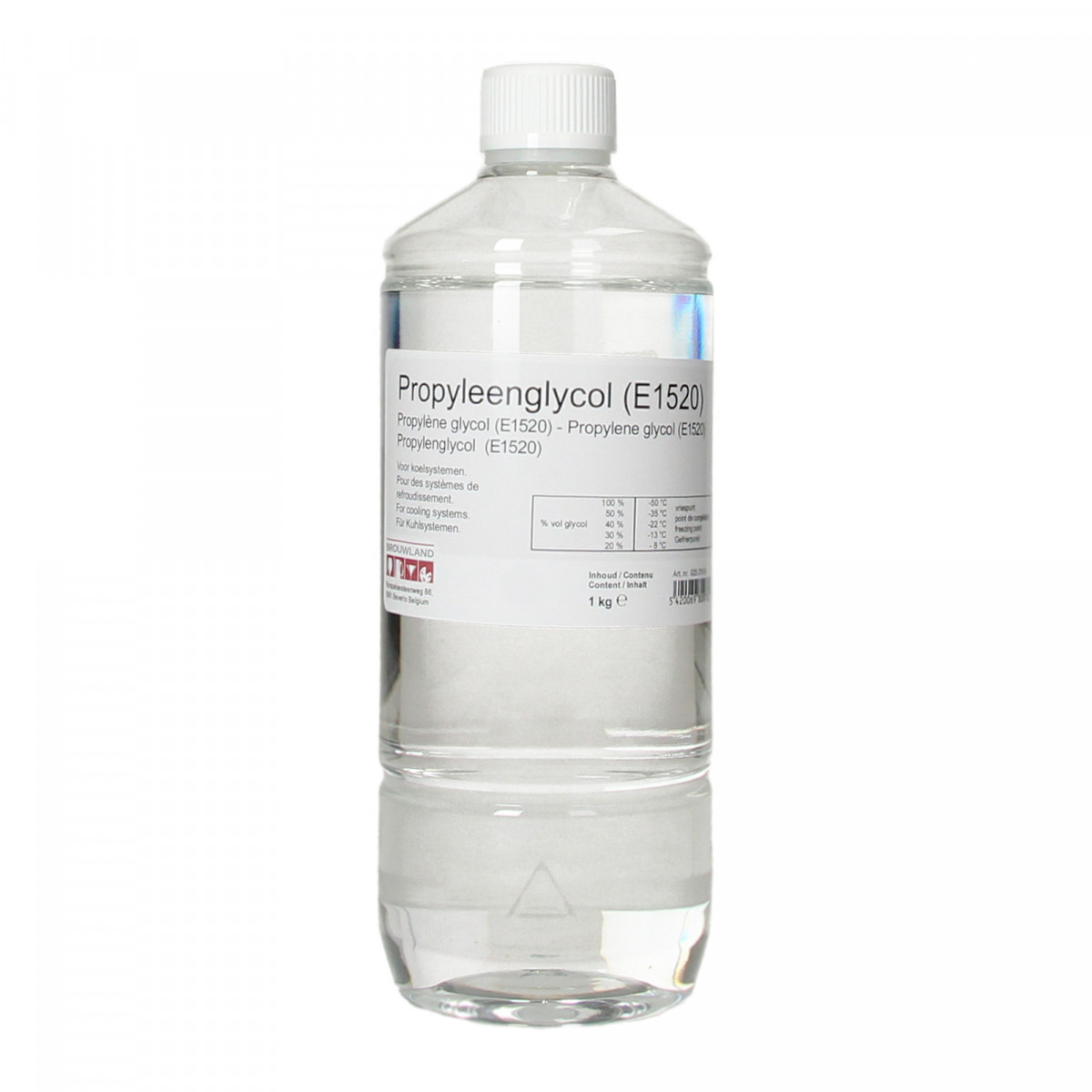
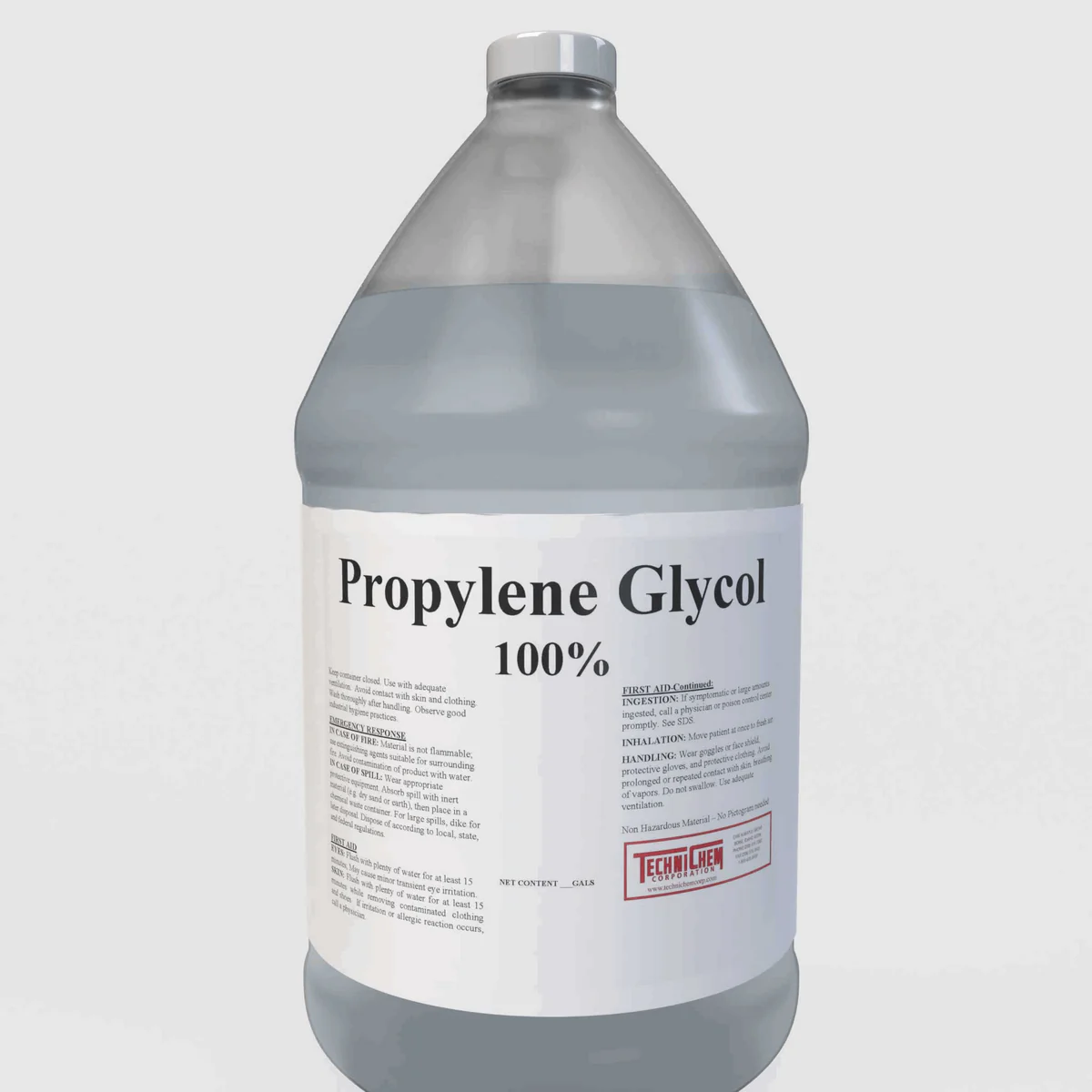
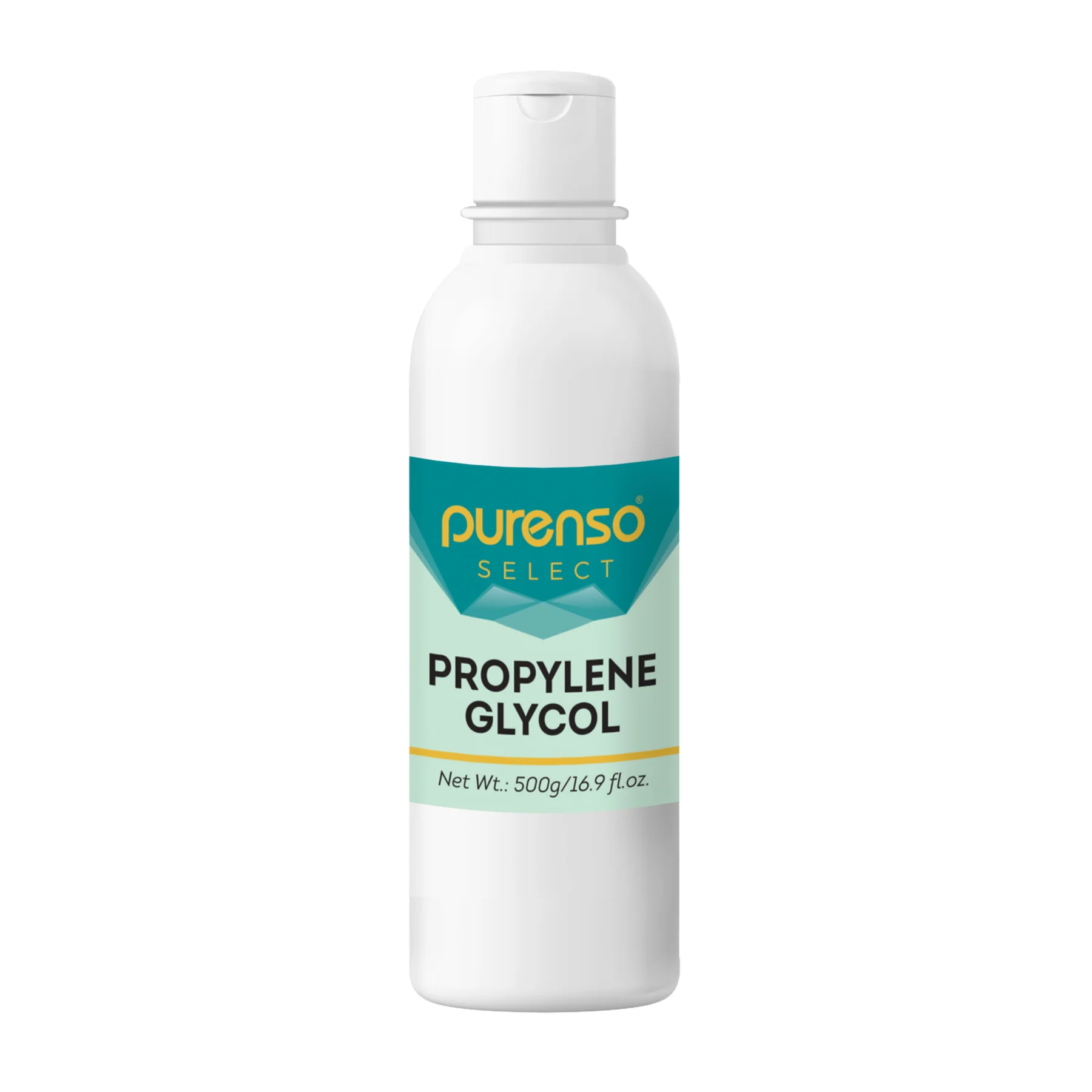
Propylene Glycol is a versatile, colorless, and hygroscopic organic compound widely used as a solvent, humectant, and heat transfer fluid across multiple industrial sectors. It serves as a critical input in chemical manufacturing, food and pharmaceutical formulations, antifreeze systems, and cosmetic products. The key value proposition lies in its low toxicity profile, excellent solvency, and thermal stability, making it suitable for both industrial and consumer-grade applications. Strategically, propylene glycol is an essential bulk chemical that underpins supply chains in pharmaceuticals, food processing, polymers, and HVAC systems, ensuring consistent performance and regulatory compliance.
2. Key Specifications & Technical Characteristics
- Chemical Composition:
- Propylene glycol (C₃H₈O₂)
- Trace water and minor impurities depending on grade
- Purity Level / Grade:
- Industrial Grade: ≥ 99.5%
- USP / Food Grade: ≥ 99.8% (available upon request)
- Meets relevant ASTM / USP standards (grade-dependent)
- Physical Characteristics:
- Liquid form
- Color: Colorless and clear
- Odor: Odorless to faint characteristic odor
- Density: ~1.03–1.04 g/cm³ at 20°C
- Viscous and hygroscopic
- High boiling point and low vapor pressure
- Packaging Options:
- Bulk ISO tank containers
- Tanker truck delivery
- IBC containers (1,000L)
- Drums (200–250L)
- Shelf Life:
- Typically 24 months under sealed, dry, and ambient storage conditions
- Store in tightly closed containers away from moisture contamination
3. Core Industrial Applications
Primary Industries:
- Chemical manufacturing
- Food and beverage processing
- Pharmaceuticals and personal care
- HVAC and refrigeration systems
- Plastics and resins production
Operational Use Cases:
- Solvent in paints, coatings, inks, and cleaning formulations
- Humectant and carrier in food, cosmetics, and pharmaceuticals
- Heat transfer fluid in antifreeze and de-icing systems
- Intermediate for unsaturated polyester resins and plasticizers
- Stabilizer and moisture retention agent in industrial formulations
Performance & Cost Advantages:
Propylene glycol offers superior versatility compared to alternative glycols due to its low toxicity and broad regulatory acceptance. Its excellent thermal stability and hygroscopic properties enhance system efficiency in heat transfer and moisture control applications. Industrial buyers benefit from consistent performance, reduced handling risks, and cost-effective multi-purpose usage across diverse applications.
4. Competitive Advantages
- Quality Consistency: High-purity production with strict quality control and batch certification
- Supply Reliability: Stable global supply supported by large-scale petrochemical production
- Logistics Capability: Flexible bulk and packaged delivery options with international compliance
- Price Competitiveness: Economical solution with multi-industry applicability reducing procurement complexity
- Sustainability Benefits: Available in bio-based grades supporting reduced carbon footprint initiatives
- Technical Documentation: Comprehensive COA, SDS, and regulatory compliance documentation available
Positioned as a strategic sourcing material, propylene glycol enables manufacturers to streamline operations, maintain product quality, and ensure regulatory alignment across industrial and consumer-facing applications.
5. Commercial & Supply Information
- Minimum Order Quantity (MOQ): BULK 20MT
- Loading Capacity (MT per container): Approximately 20–25 MT per 20’ ISO tank container (subject to density and regulatory requirements)


Reviews
There are no reviews yet.