
Description
1. Product Overview
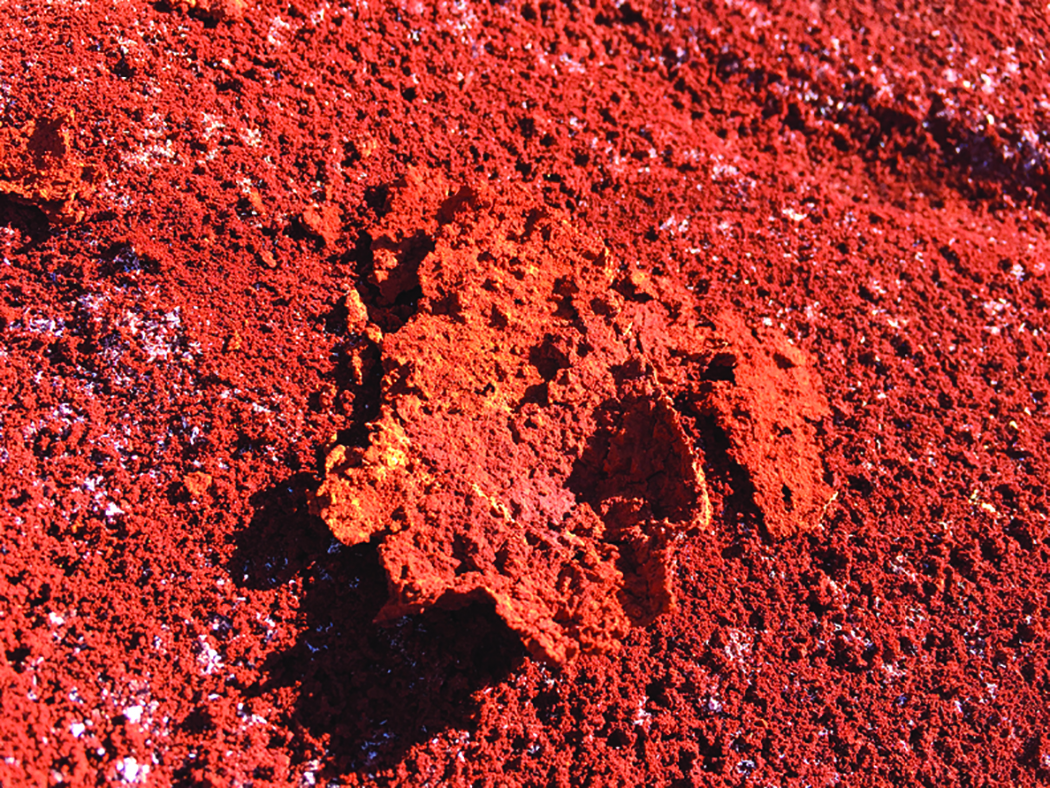
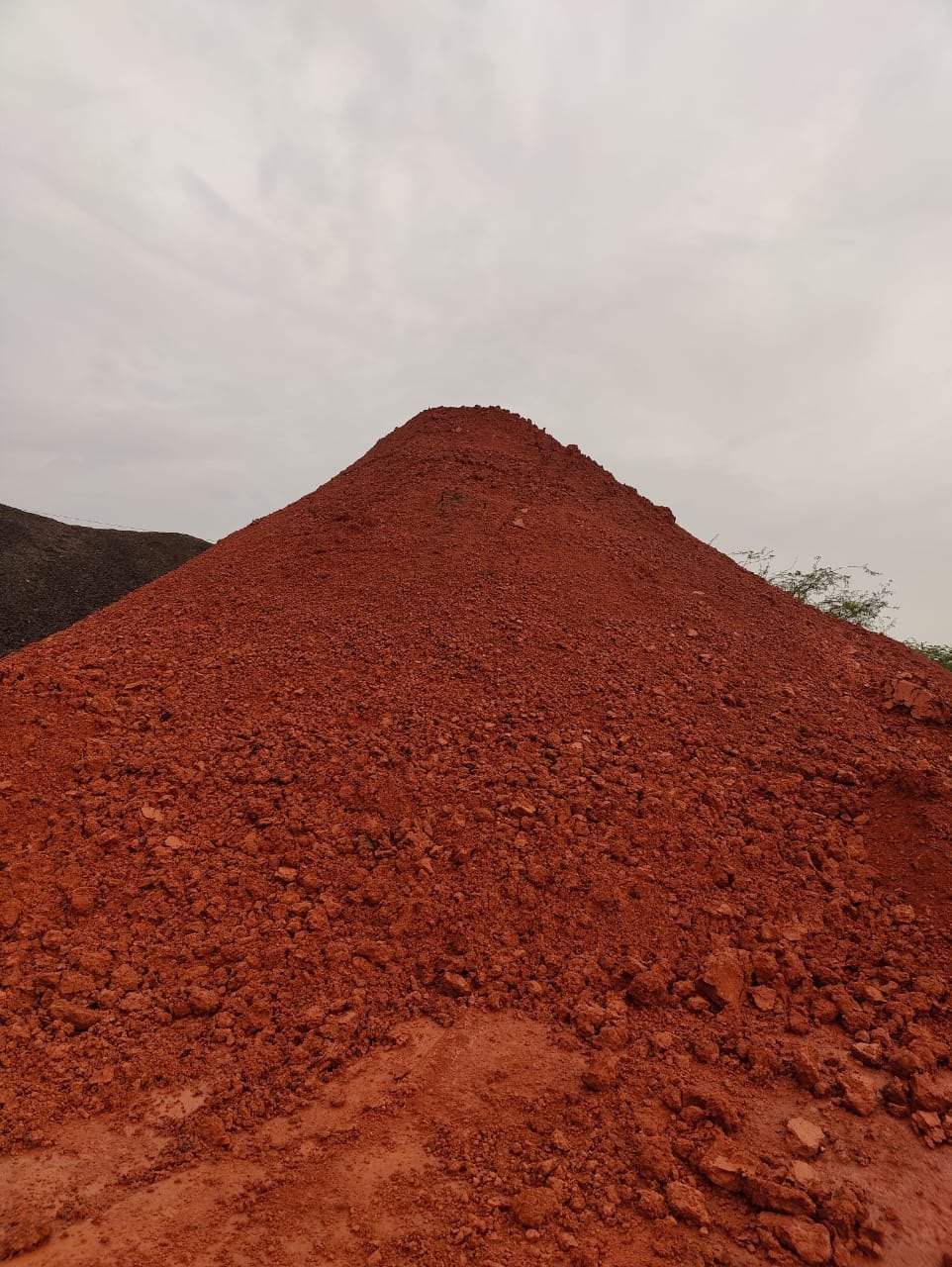
Processed Red Mud (Bauxite Residue) is a value-added industrial material derived from the refining of bauxite during the alumina production process. Through specialized treatment and stabilization, this material is converted into a reusable mineral resource suitable for a range of industrial applications. It is widely utilized in cement manufacturing, construction materials, metallurgy, environmental remediation, and chemical processing. The key value proposition lies in its high iron oxide content, mineral richness, and cost-efficient performance compared to conventional raw materials. As industries increasingly prioritize circular economy practices and resource optimization, processed red mud represents a strategically important secondary raw material in global industrial supply chains.
2. Key Specifications & Technical Characteristics
- Chemical Composition
- Iron Oxide (Fe₂O₃): 30–60%
- Aluminum Oxide (Al₂O₃): 10–20%
- Silicon Dioxide (SiO₂): 3–15%
- Titanium Dioxide (TiO₂): 2–10%
- Calcium Oxide (CaO): 2–8%
- Sodium Oxide (Na₂O): 2–6%
- Purity / Grade
- Industrial-grade processed mineral residue
- Stabilized and neutralized for industrial reuse
- Physical Characteristics
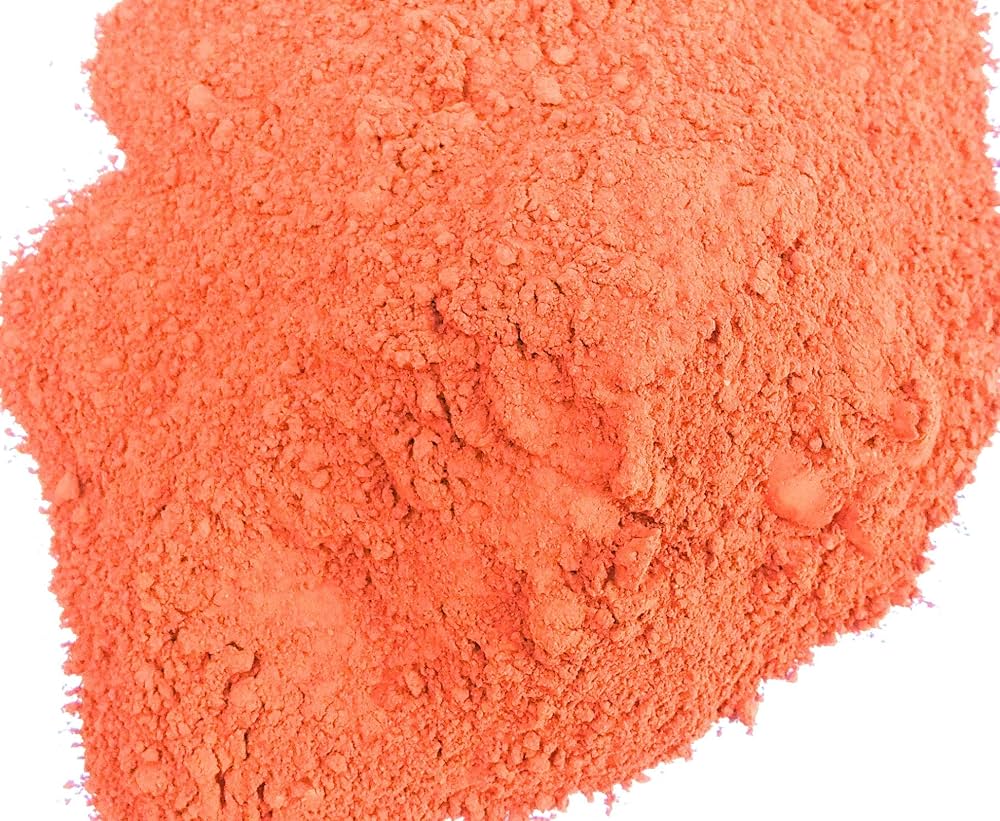
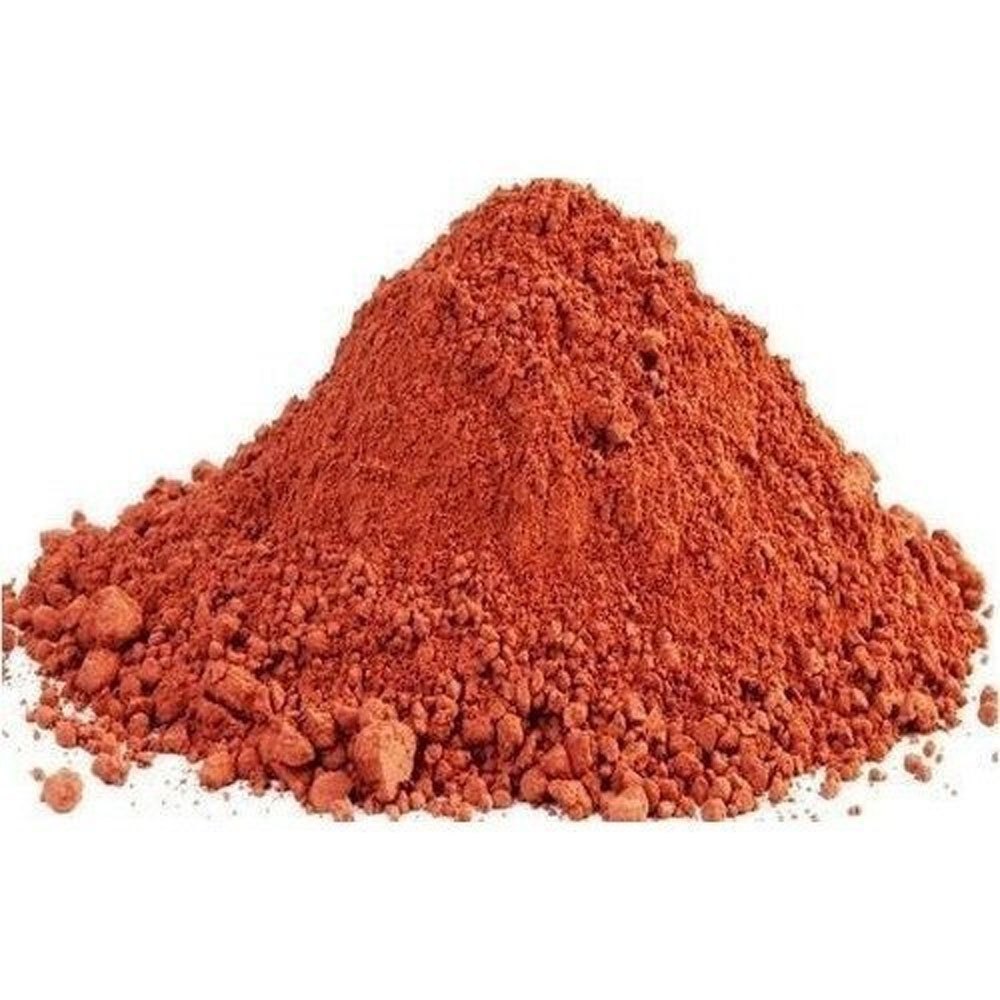
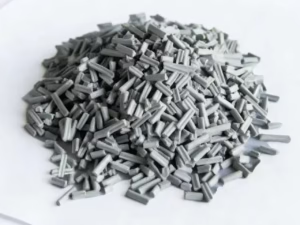
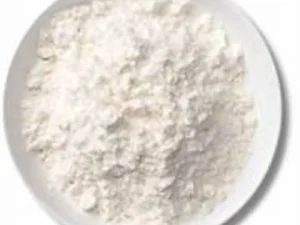
- Form: Fine powder or granulated material
- Color: Deep red to reddish-brown
- Particle Size: Typically 50–200 microns (customizable)
- Bulk Density: Approx. 1.0–1.4 g/cm³
- Moisture Content: Typically <10% (adjustable depending on processing)
- Packaging Options
- 1 MT jumbo bags (FIBC)
- Bulk loose loading
- Custom industrial packaging available upon request
- Shelf Life
- Indefinite when stored in dry, covered conditions
3. Core Industrial Applications
Processed red mud is widely utilized across multiple heavy industries due to its mineral richness and alkaline properties.
Primary Industries
- Cement and construction materials
- Metallurgical processing
- Environmental engineering
- Chemical manufacturing
- Ceramic and brick production
Operational Use Cases
- Supplementary raw material in cement clinker production
- Iron recovery and metallurgical feedstock
- Manufacture of bricks, tiles, and construction blocks
- Soil stabilization and land reclamation
- Wastewater treatment and heavy metal adsorption
- Pigment and filler material in industrial formulations
Performance Advantages
Compared with conventional mineral additives, processed red mud provides a cost-effective alternative with strong mineral functionality. Its high iron oxide content improves clinker chemistry in cement production, while its alkalinity and porous structure enhance pollutant adsorption in environmental applications. This multifunctionality allows industries to reduce raw material costs while improving process efficiency.
4. Competitive Advantages
- Quality Consistency
Processed through controlled treatment systems ensuring stable chemical composition and predictable industrial performance. - Supply Reliability
Large-scale availability supported by continuous generation from alumina refining operations. - Logistics Capability
Efficient bulk handling and international export logistics suitable for large industrial buyers. - Price Competitiveness
Lower cost alternative to several mined mineral inputs and industrial additives. - Sustainability Benefits
Promotes circular economy practices by transforming an industrial by-product into a valuable secondary raw material. - Technical Support
Detailed technical data sheets, chemical analysis reports, and application guidance available for industrial integration.
5. Commercial & Supply Information
- Minimum Order Quantity (MOQ): BULK 20 MT
- Loading Capacity: 20–25 MT per 20 ft container depending on moisture and packaging format
Reviews
There are no reviews yet.