
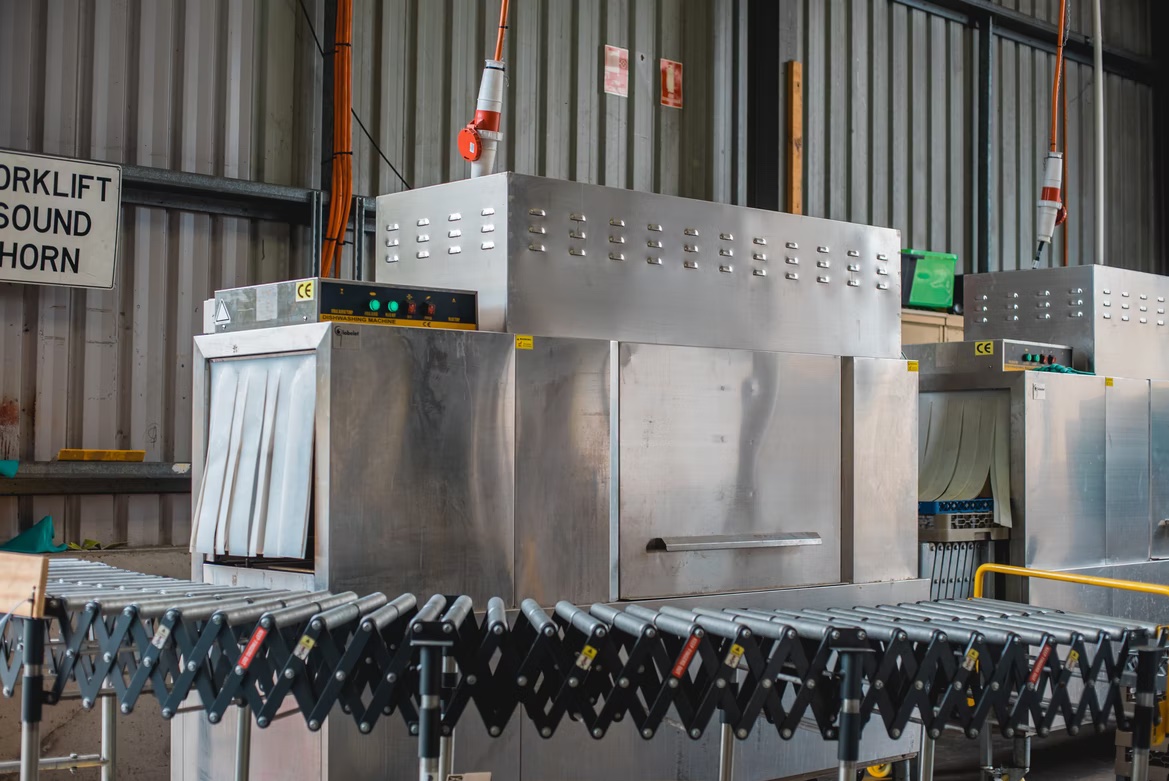
Description
1. Product Overview
Process Steam (Cogeneration) is high-efficiency thermal energy generated through combined heat and power (CHP) systems, where electricity and steam are produced simultaneously from a single fuel source. It is primarily used as a reliable and cost-optimized energy input for industrial heating, processing, drying, sterilization, and power applications.
By capturing and utilizing waste heat from power generation, cogeneration steam significantly improves overall energy efficiency—often exceeding 70–85% total system efficiency. This makes Process Steam from cogeneration strategically important for industrial operators seeking lower energy costs, reduced emissions, and improved operational resilience.
2. Key Specifications & Technical Characteristics
- Primary Composition:
- Deionized or treated water vapor (H₂O)
- Steam Type Options:
- Saturated steam
- Superheated steam
- Pressure Range: Typically 3–60 bar (customizable per industrial requirement)
- Temperature Range: Approx. 120°C–500°C (depending on pressure and superheat level)
- Steam Quality: ≥ 99% dryness fraction (saturated steam)
- Water Treatment Standard:
- Demineralized / RO-treated feedwater
- Low total dissolved solids (TDS)
- Controlled pH and oxygen content
- Color: Colorless vapor
- Odor: Odorless
- Delivery Mode:
- Direct pipeline supply (on-site or industrial cluster)
- Integrated plant utility connection
- Continuity: 24/7 baseload supply capability
- Shelf Life: Not applicable (continuous real-time generation and supply)
3. Core Industrial Applications
Primary Industries
- Petrochemical and refining
- Food and beverage processing
- Pulp and paper manufacturing
- Pharmaceutical production
- Textile and chemical processing plants
- Industrial parks and manufacturing clusters
Operational Use Cases
- Process heating and distillation
- Drying, evaporation, and concentration systems
- Sterilization and sanitation
- Reactor temperature control
- Mechanical drive turbines and auxiliary power support
Performance & Cost Advantages
Cogeneration-based Process Steam delivers superior energy efficiency compared to conventional standalone boilers and grid electricity combinations. By utilizing waste heat from power generation, industries significantly reduce fuel consumption and operational energy costs.
The integrated model ensures stable pressure and temperature control, improving production consistency and minimizing downtime. Compared to decentralized boiler systems, cogeneration reduces carbon intensity per unit of energy delivered while enhancing overall plant energy security.
4. Competitive Advantages
- Quality Consistency: Precisely controlled pressure, temperature, and steam quality through advanced CHP system monitoring.
- Supply Reliability: Continuous baseload generation with redundancy systems for uninterrupted industrial operations.
- Energy Efficiency: Total system efficiency up to 85%, significantly reducing energy waste.
- Cost Optimization: Lower per-unit steam cost through combined electricity and heat generation.
- Sustainability Benefits: Reduced CO₂ emissions per MWh compared to separate heat and power generation.
- Infrastructure Integration: Direct pipeline connectivity for seamless industrial utility integration.
- Technical Support: Engineering documentation, performance guarantees, and long-term service agreements available.
Process Steam (Cogeneration) represents a strategic energy sourcing decision for industrial operators seeking efficiency, cost control, and environmental compliance in increasingly competitive markets.
5. Commercial & Supply Information
- Minimum Order Quantity (MOQ): Bulk 20 MT equivalent energy supply (contract-based)
- Loading Capacity (if transported as condensate or contracted steam equivalent):
- 20ft ISO Tank Container (condensate equivalent): Approx. 20–25 MT
- Direct pipeline supply: Volume as per contractual industrial demand
Long-term utility supply agreements and structured energy contracts are available for qualified industrial clients.

Reviews
There are no reviews yet.