

Description
Potash: The Unsung Hero of Agriculture and Beyond
Potash, a term often heard in discussions about fertilizers and agriculture, is more than just a single element. It’s a crucial group of minerals containing potassium, an essential nutrient for plant growth and, therefore, global food security. While often overlooked, potash plays a vital role in sustaining agriculture, supporting various industries, and even contributing to human health.
What is Potash, Exactly?
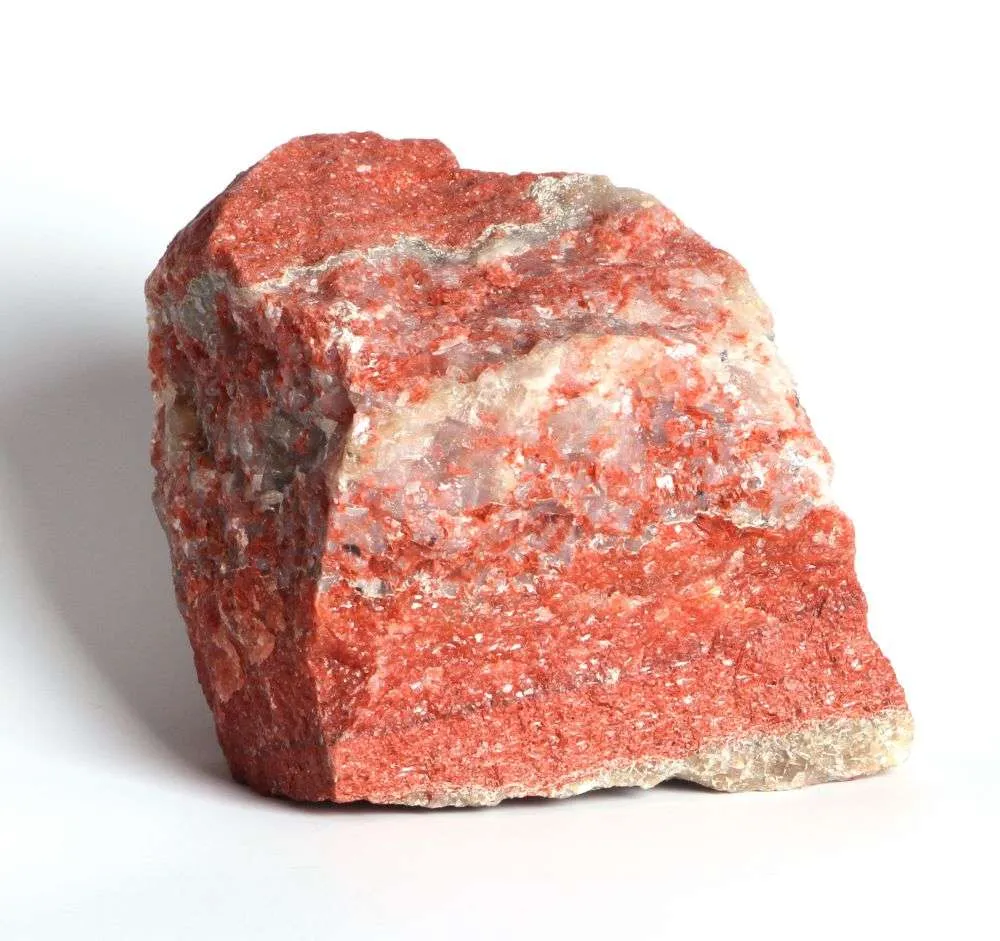
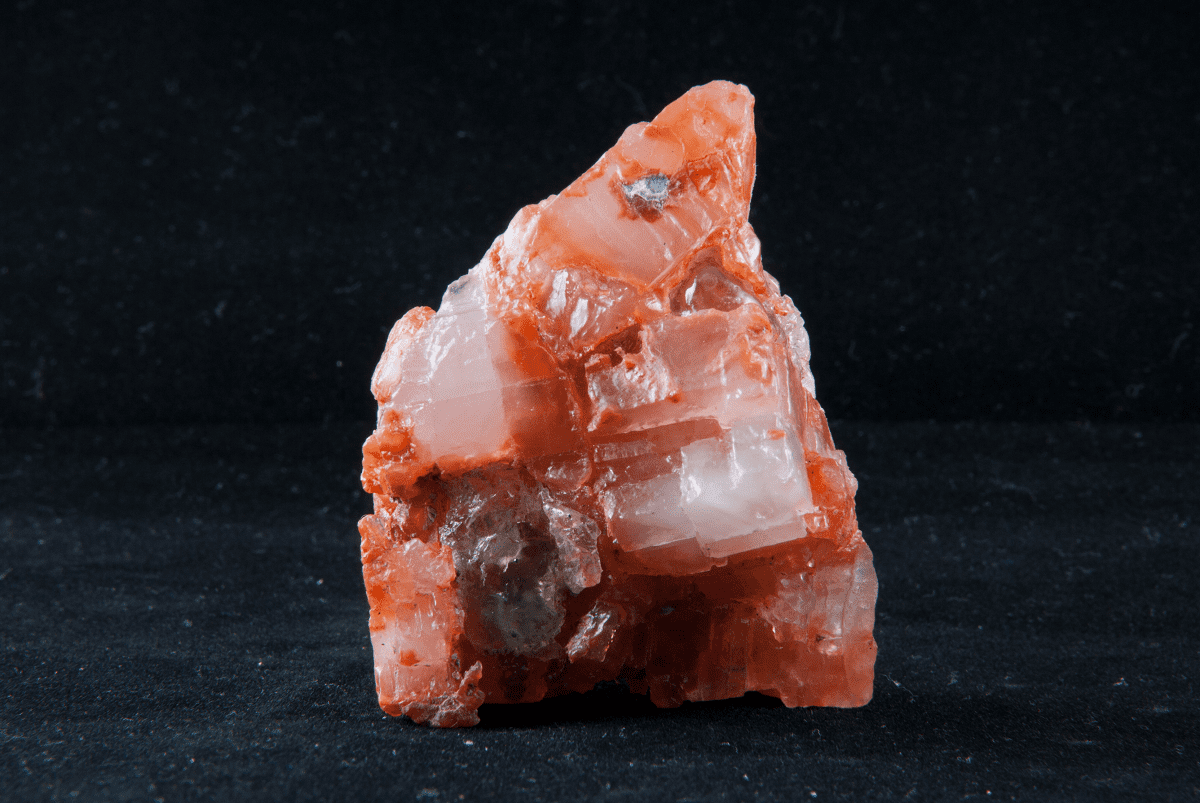
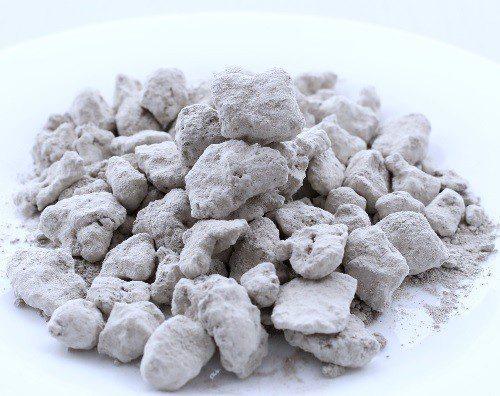
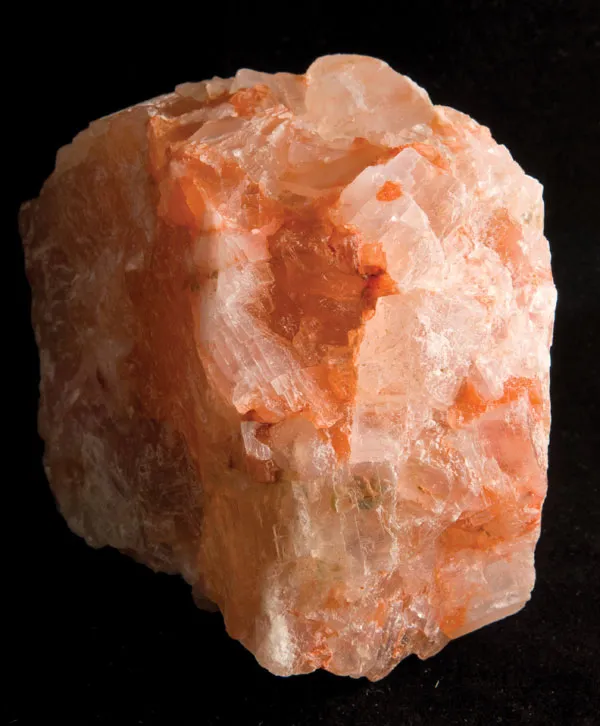
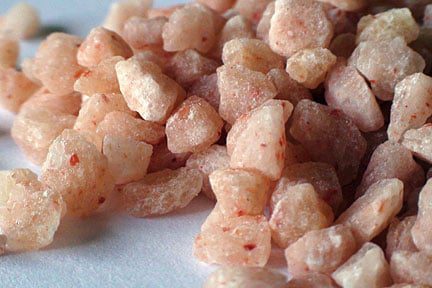
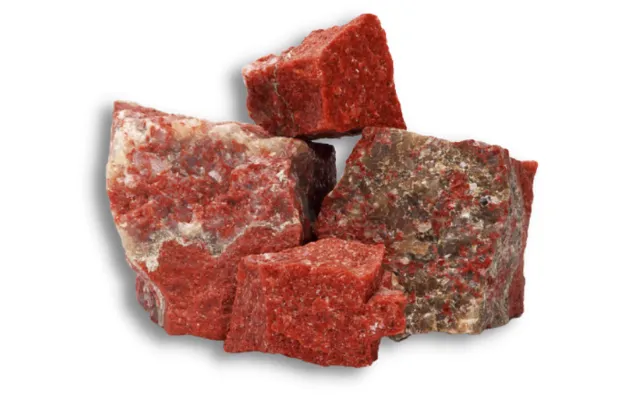
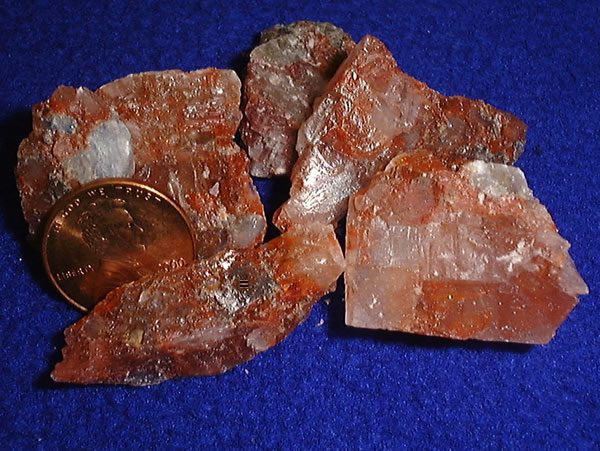
The term “potash” broadly refers to potassium-containing salts found in underground deposits. These deposits were formed millions of years ago through the evaporation of ancient seas and salt lakes. The most common potash mineral is sylvite (potassium chloride – KCl), but others include carnallite, langbeinite, and kainite.
Why is Potash Essential for Agriculture?
Potassium is one of the three macronutrients – nitrogen, phosphorus, and potassium – that plants need in large quantities to thrive. It’s crucial for a wide range of plant functions, including:
- Water regulation: Potassium helps plants regulate the opening and closing of stomata, pores on leaves responsible for gas exchange and water transpiration. This is vital for drought resistance and efficient water use.
- Nutrient uptake: Potassium facilitates the movement of other essential nutrients, such as nitrogen and phosphorus, throughout the plant.
- Enzyme activation: Potassium activates enzymes involved in photosynthesis, protein synthesis, and carbohydrate metabolism.
- Disease resistance: Plants with adequate potassium levels are more resistant to diseases and pests.
- Improved crop quality: Potassium enhances fruit size, sugar content, and overall quality of various crops.
Without sufficient potassium, plants exhibit stunted growth, yellowing leaves, and reduced yields. This can have significant consequences for agricultural productivity and global food supply.
Beyond Agriculture: The Diverse Applications of Potash
While primarily used as a fertilizer, potash also finds applications in other industries:
- Industrial Chemicals: Potassium hydroxide (caustic potash) is a crucial ingredient in the production of soaps, detergents, and various industrial chemicals.
- Pharmaceuticals: Potassium compounds are used in the manufacturing of certain medications and supplements.
- Glass Manufacturing: Potassium carbonate acts as a flux in glass production, lowering the melting temperature and improving the clarity and strength of the glass.
- Food Processing: Potassium-based additives are used in food processing to enhance flavors, regulate acidity, and extend shelf life.
- De-icing: In some regions, potassium chloride is used as a de-icing agent on roads and sidewalks.
The Potash Industry: A Global Landscape
The global potash industry is concentrated in a few key regions, including Canada, Russia, Belarus, and Germany. These countries possess substantial potash reserves and account for a significant portion of global production. The demand for potash is driven by population growth, increasing food production needs, and the rise of intensive farming practices.
Sustainability and the Future of Potash
As with any extractive industry, responsible mining practices and sustainable resource management are crucial for the long-term availability of potash. Companies are increasingly focusing on:
- Minimizing environmental impact: Implementing measures to reduce water and energy consumption, waste generation, and land disturbance.
- Developing sustainable mining techniques: Exploring innovative mining methods that minimize environmental impact and maximize resource recovery.
- Promoting efficient fertilizer use: Educating farmers on proper fertilizer application techniques to optimize crop yields while minimizing nutrient runoff.
Conclusion: A Nutrient for a Growing World
Potash, though often unseen, is a critical component of modern agriculture and various industries. Its role in supporting plant growth and ensuring food security makes it an indispensable resource for a growing global population. As we strive for sustainable agricultural practices, responsible management of potash resources will be essential for securing a future where everyone has access to nutritious food.


Reviews
There are no reviews yet.