
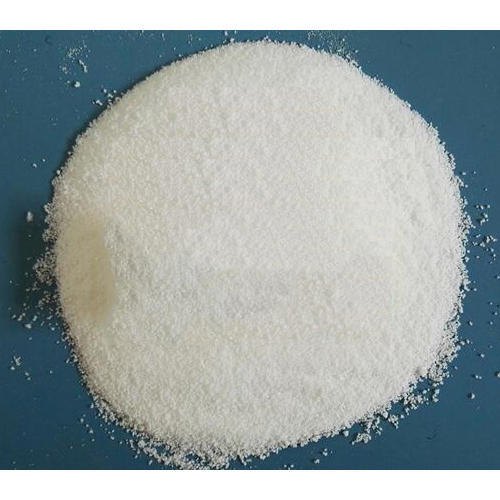
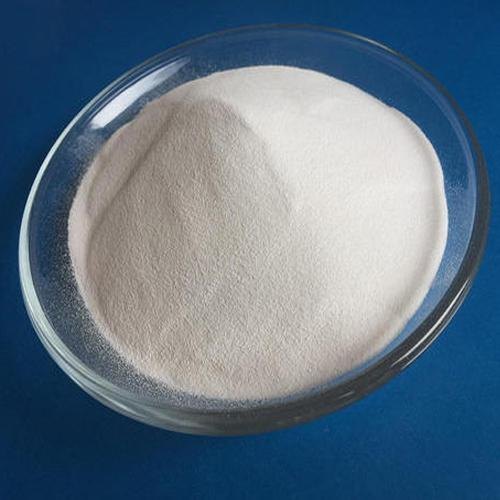
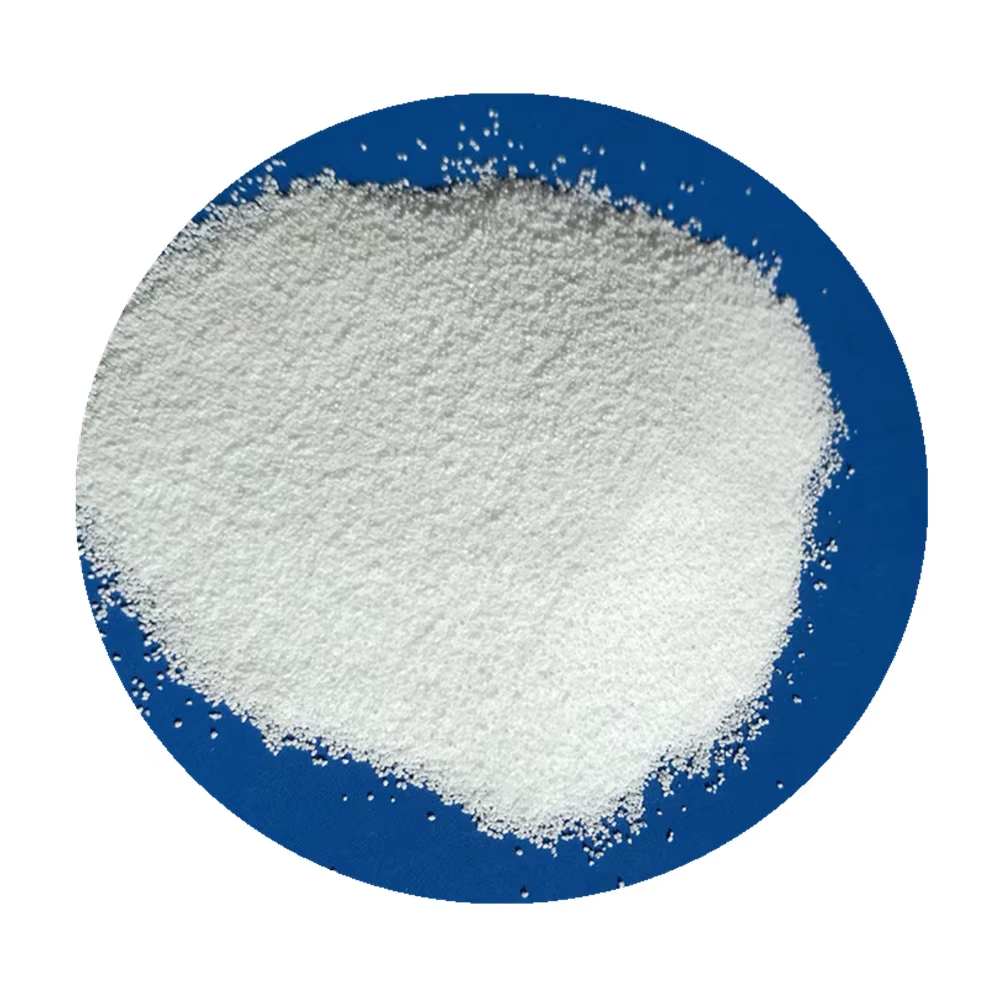
Description
Introduction
If you’ve ever unwrapped a fresh loaf of bread, opened a bag of chips, or lifted a sealed food‑service tray, chances are a thin, invisible shield of polyvinylidene chloride (PVDC) helped keep the product fresh. Though it rarely gets a shout‑out like “plastic” or “PET,” PVDC is a workhorse polymer that has been quietly protecting our food, medicine, and even electronics for more than six decades. In this post we’ll dive into what PVDC actually is, why its unique chemistry makes it a superstar barrier material, where it’s used today, and what the future holds for this versatile polymer.
1. What Is PVDC?
PVDC stands for polyvinylidene chloride, a thermoplastic polymer derived from the monomer vinylidene chloride (CH₂=CCl₂). Discovered in the 1930s, the polymer’s commercial breakthrough came in the 1950s when DuPont patented the first PVDC film—Saran®—originally marketed as a “plastic wrap” for food preservation.
Chemical Snapshot
| Property | Detail |
|---|---|
| Molecular Formula | (C₂H₂Cl₂)ₙ |
| Density | 1.50–1.55 g cm⁻³ (higher than most common plastics) |
| Glass Transition (Tg) | ~120 °C |
| Melting Point (Tm) | 140–165 °C (depends on crystallinity) |
| Solubility | Insoluble in water; soluble in many organic solvents (e.g., acetone, chloroform) |
The high chlorine content (≈ 44 wt % Cl) gives PVDF its legendary barrier properties—chlorine atoms create a tightly packed polymer chain that blocks the diffusion of gases, vapors, and aromas.
2. Why PVDF Is a Barrier Superstar
| Barrier Property | Typical Value (at 23 °C, 50 % RH) |
|---|---|
| O₂ Permeability | 0.1–0.3 cc m⁻² day⁻¹ atm⁻¹ |
| CO₂ Permeability | 0.3–0.5 cc m⁻² day⁻¹ atm⁻¹ |
| Water Vapor Transmission Rate (WVTR) | 0.01–0.05 g m⁻² day⁻¹ |
| Flavor/Aroma Migration | Negligible (practically zero) |
For comparison: typical low‑density polyethylene (LDPE) has O₂ permeability ≈ 200 cc m⁻² day⁻¹ atm⁻¹.
Key reasons PVDC outperforms many other polymers:
- Dense Chain Packing – The polar C–Cl bonds create strong intermolecular dipole interactions, limiting free volume for gas molecules.
- Crystallinity – Many PVDC films are semi‑crystalline (30–50 %), adding tortuous pathways for diffusion.
- Low Free‑Volume Fraction – A small amount of “free space” means molecules have to “squeeze” through, dramatically reducing permeation rates.
3. Core Applications
3.1 Food Packaging
- Shelf‑stable trays (ready‑to‑eat meals, deli salads)
- Flexible wraps (meat, cheese, fresh produce)
- Modified‑Atmosphere Packaging (MAP) – PVDC layers prolong the efficacy of nitrogen or carbon‑dioxide atmospheres.
Result: Extended shelf life, reduced food waste, and better flavor retention.
3.2 Pharmaceutical & Medical
- Blister packs for tablets & capsules (protects from humidity & oxygen).
- Sterile barrier films for medical devices.
3.3 Industrial & Technical
| Use | Benefit |
|---|---|
| Electrical insulation | High dielectric strength, resistance to moisture. |
| Protective coatings | Corrosion resistance for metal pipes, automotive parts. |
| Barrier films for electronic displays | Prevents moisture ingress, essential for OLED and flexible screens. |
3.4 Emerging Niche Markets
- Solar panel encapsulants (combination PVDC/ethylene‑vinyl acetate) for improved moisture barrier.
- Reusable food‑service containers with a thin PVDC inner liner to maintain freshness without single‑use plastics.
4. Advantages & Drawbacks
Advantages
| Pro | Why It Matters |
|---|---|
| Exceptional barrier | Keeps oxygen, moisture, and aromas out/in. |
| Chemical resistance | Stands up to acids, bases, and many solvents. |
| Thermal stability | Operates safely from –20 °C to ~130 °C. |
| Thin film capability | High performance even at < 15 µm thickness, saving material weight. |
Drawbacks
| Con | Explanation |
|---|---|
| Processing Sensitivity | PVDC degrades (yellowing, loss of barrier) if overheated or exposed to moisture during extrusion. |
| Higher Cost | More expensive than PE/PP; typically used in multi‑layer structures where its performance justifies the premium. |
| Environmental Concerns | High chlorine content leads to dioxin‑type compounds if incinerated improperly. Recycling streams are limited. |
| Brittleness | Pure PVDC can be brittle; blends or co‑extruded layers (e.g., with EVA) improve flexibility. |
5. Sustainability & End‑of‑Life Considerations
Bottom line: PVDC is a high‑performance polymer, but its sustainability profile is complicated.
- Recycling – Commercially viable recycling exists mainly in closed‑loop systems (e.g., food‑service companies that recollect trays). Mixed‑plastic recycling is rare because PVDC’s chlorine interferes with standard PET or HDPE streams.
- Incineration – When burned at temperatures > 900 °C with proper flue‑gas treatment, PVDC can be safely destroyed without forming toxic dioxins. However, many municipal waste facilities lack the necessary controls.
- Biobased Alternatives – Researchers are developing polymer blends (e.g., PVDC with polylactic acid) and nanocomposite barriers (e.g., graphene‑PVDC) that aim to retain the barrier performance while improving recyclability.
- Regulatory Landscape – The EU’s REACH and U.S. EPA have set strict emission limits for chlorine‑containing waste, urging manufacturers to adopt closed‑loop take‑back programs or shift to PVC‑free, low‑chlorine options where possible.
6. The Future of PVDC
6.1 Multi‑Layer “Smart” Films
The next wave of packaging is moving toward multi‑functional laminates where PVDC sits sandwiched between:
- Bio‑based polyesters (for compostability)
- Antimicrobial layers (e.g., nano‑silver or chitosan)
- Printed QR‑codes that dissolve with heat for traceability
These smart films preserve the barrier while adding new value propositions (shelf‑life monitoring, waste reduction).
6.2 Nanocomposite Enhancements
Embedding layered silicates, nanocellulose, or graphene oxide into PVDC can:
- Further reduce permeation (up to 50 % lower O₂ transmission)
- Increase tensile strength and puncture resistance
- Lower the required film thickness, cutting raw material use by ~20 %
6.3 Circular Economy Initiatives
Major food‑service chains (e.g., McDonald’s, Starbucks) are piloting PVDC‑coated reusable containers with take‑back logistics, aiming for a closed‑loop circular model by 2030.
7. Quick Takeaways (Bullet Recap)
- PVDC = Polyvinylidene Chloride, a high‑chlorine thermoplastic with unmatched gas‑vapor barrier abilities.
- Key Uses: Food packaging (wraps, trays), pharma blister packs, industrial coatings, electronics encapsulants.
- Pros: Superior O₂/H₂O barrier, chemical resistance, thin‑film performance.
- Cons: Processing‑sensitive, relatively expensive, limited recyclability, chlorine‑related environmental concerns.
- Sustainability Path: Closed‑loop recycling, high‑temp incineration with scrubbing, emerging bio‑blend & nanocomposite technologies.
- Future Trends: Smart multi‑layer laminates, nanocomposite reinforcement, circular‑economy packaging programs.
8. Final Thoughts
PVDC may not be the flashiest polymer on the market, but its high‑performance barrier properties make it indispensable for keeping food fresh, medicines safe, and electronics dry. As the world pushes for lower waste, longer shelf life, and smarter packaging, PVDC will likely stay in the toolbox—albeit in more engineered, eco‑conscious configurations.
If you’re a packaging engineer, a sustainability officer, or just the curious consumer, keep an eye on how PVDC evolves. The next generation of food trays or reusable coffee cups you encounter could be a thin, invisible PVDC layer doing the heavy lifting behind the scenes.


Reviews
There are no reviews yet.