

Description
Polyvinylidene chloride (PVDC)
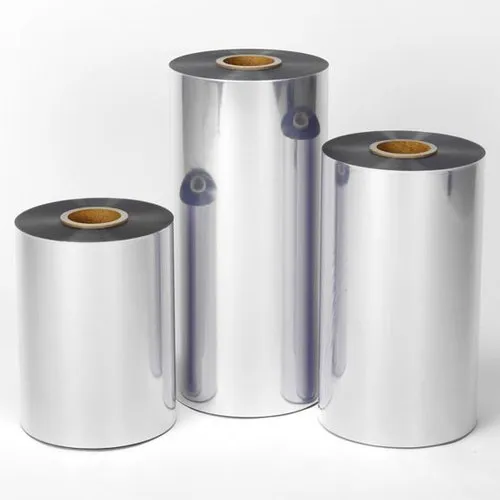
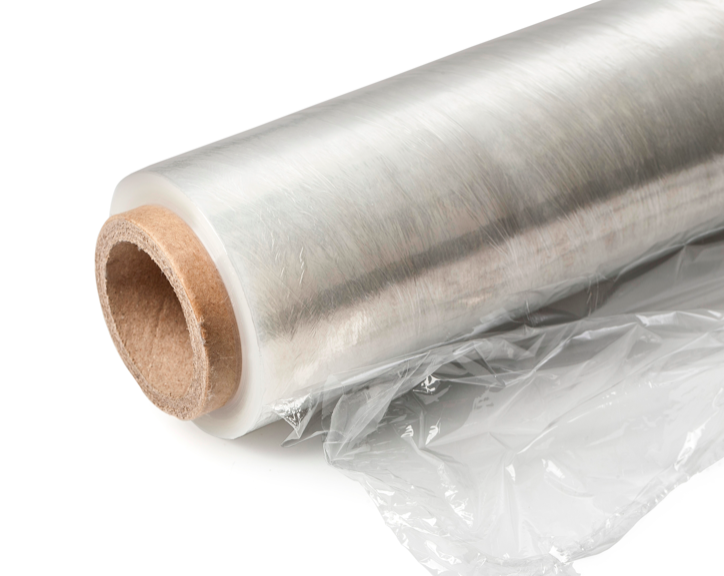
PVDC is a chlorine-containing polymer widely used as a high-performance barrier material, especially in packaging. It is most well known for its exceptional barrier properties against gases and moisture, making it a common choice for food, pharmaceutical, and other sensitive products.
What is PVDC?
- Chemical nature: PVDC stands for polyvinylidene chloride. Its repeating unit is roughly [-CH2-CClH-]n. It can be used as a homopolymer or in copolymer/terpolymer forms.
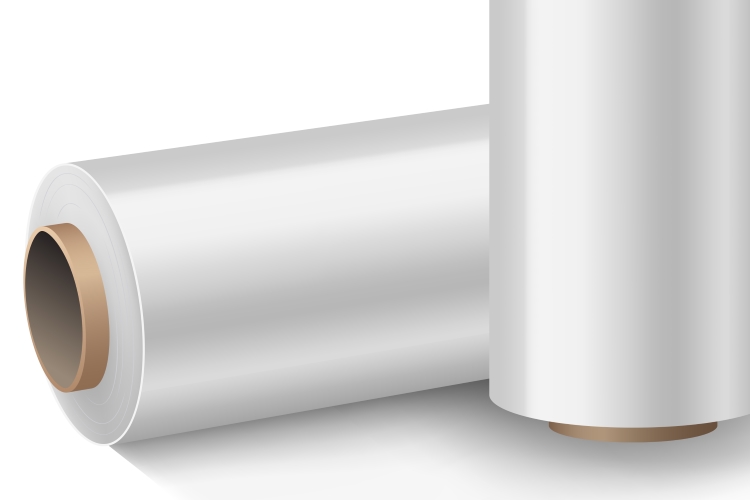
- Forms: In packaging, PVDC is typically used as a coating or laminate layer on substrates (for example, PET, OPP, or paper). It is less common as a pure melt-processable film, because processing PVDC can be more challenging than some other plastics.
Key properties
- Barrier performance: PVDC provides outstanding barrier to oxygen and water vapor compared with many common polymers. This reduces product spoilage and extends shelf life.
- Chemical resistance: Good resistance to many chemicals and oils.
- Clarity and sealability: Clear films with good heat-seal properties when properly formulated.
- Processing considerations: Many PVDC grades are applied as aqueous dispersions (emulsions) or solvent-based coatings rather than direct melt extrusions. This makes PVDC coatings compatible with a wide range of substrates.
- Stability: Generally stable under normal storage and use conditions, but advanced processing may require careful temperature control to avoid degradation or discoloration.
Forms and processing
- Common forms in packaging:
- PVDC coatings on PET, paper, or foil
- PVDC-based laminates and multilayer structures
- Processing methods:
- Coating from aqueous dispersion or solvent systems
- Lamination to create barrier layers
- In some cases, limited extrusion coating for certain PVDC grades
- Adhesion and compatibility: Adhesive choices must be compatible with PVDC and the surrounding substrate to ensure strong bonds and seal integrity.
Applications
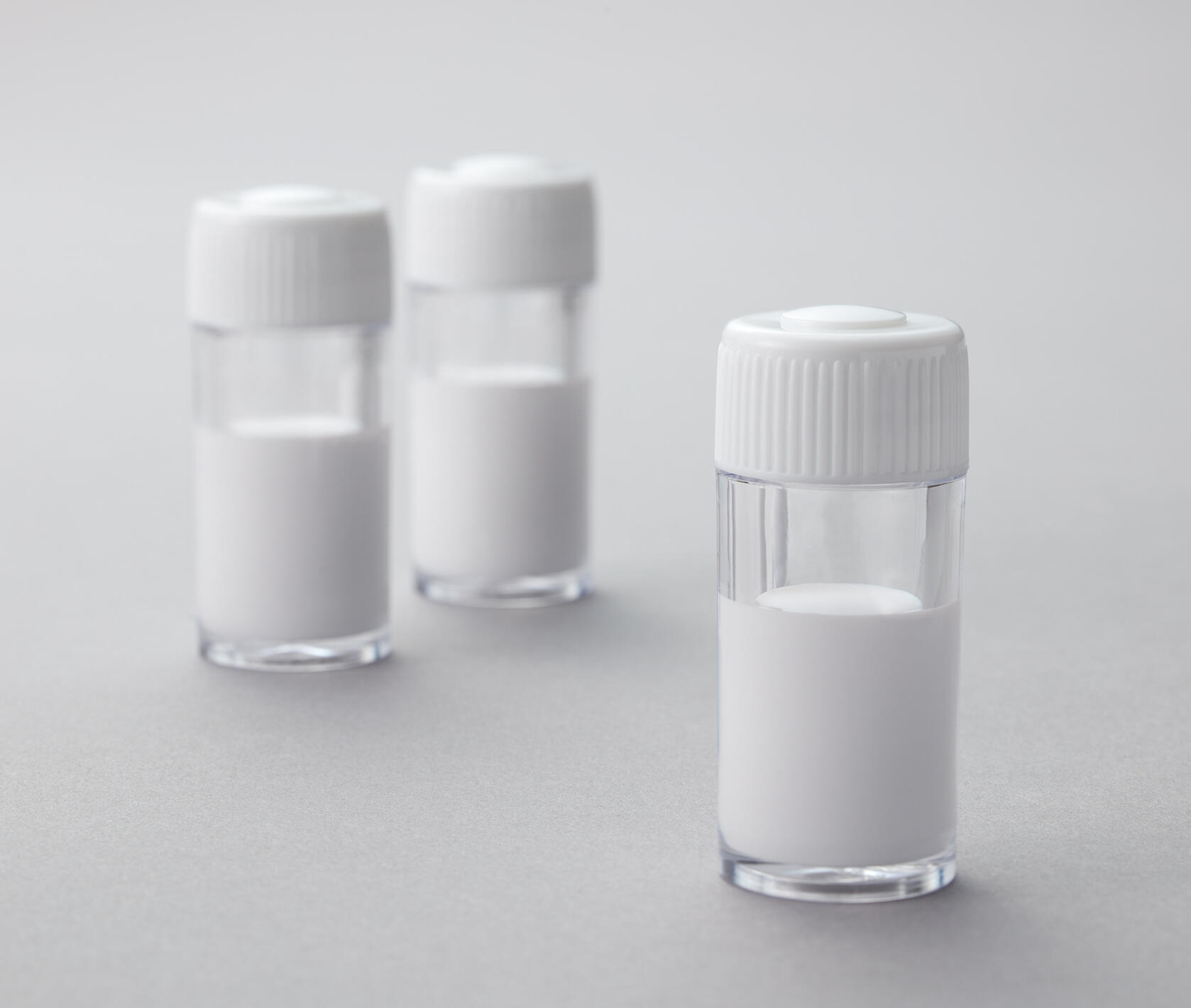
- Primary uses: Food packaging films and pouches, barrier layers in rigid and flexible packaging, lidding films, and pharmaceutical packaging.
- Industry focus: Any application requiring long-term protection against oxygen and moisture, particularly where product shelf life is critical.
Advantages and limitations
-
Advantages:
- Superior barrier properties to oxygen and moisture
- Flexible integration as coatings or laminated layers
- Compatible with a variety of substrates and sealing processes
-
Limitations:
- Chlorine content raises environmental and disposal considerations
- Processing often relies on coatings rather than melt extrusion, which can add complexity
- End-of-life management can be more challenging due to multilayer structures involving PVDC
- UV stability can be limited; protective additives or formulations are often used
Safety and environmental considerations
- PVDC contains chlorine, so disposal and incineration require appropriate controls to manage potential release of hydrogen chloride and other byproducts.
- The monomer vinylidene chloride is hazardous in certain contexts; however, robust polymerization and finished PVDC products are designed to minimize exposure risk.
- Recycling of PVDC-containing multilayer films is more complex than single-material plastics; industry efforts focus on compatible recycling streams and alternative barrier solutions.
Quick comparison (PVDC vs EVOH vs LDPE vs PET)
- Barrier to oxygen (O2): PVDC very high; EVOH very high when dry; PET moderate; LDPE lower
- Barrier to water vapor (WVTR): PVDC excellent; EVOH excellent when dry but degrades with humidity; PET moderate; LDPE higher
- Processing ease: PVDC coatings are common; EVOH is often coextruded or laminated; LDPE and PET are melt-processable
- End-of-life considerations: PVDC multilayers can complicate recycling; EVOH also challenging in multilayers; LDPE and PET typically easier to recycle
- Applications: PVDC favored for high barrier packaging; EVOH used where humidity control is needed but dry conditions can be maintained; LDPE for general packaging; PET for strong, clear substrates
Summary / key takeaway
- PVDC is a premier barrier polymer used mainly as a coating or lamination to improve the shelf life and integrity of packaged goods. Its standout performance in blocking gases and moisture makes it valuable for high-end packaging, though its chlorine content and multilayer use pose environmental and recycling considerations. When choosing PVDC, weigh barrier requirements, processing capabilities, substrate compatibility, and end-of-life options.
If you’d like, I can tailor this to a specific PVDC grade, processing method, or a particular packaging application you have in mind.


Reviews
There are no reviews yet.