
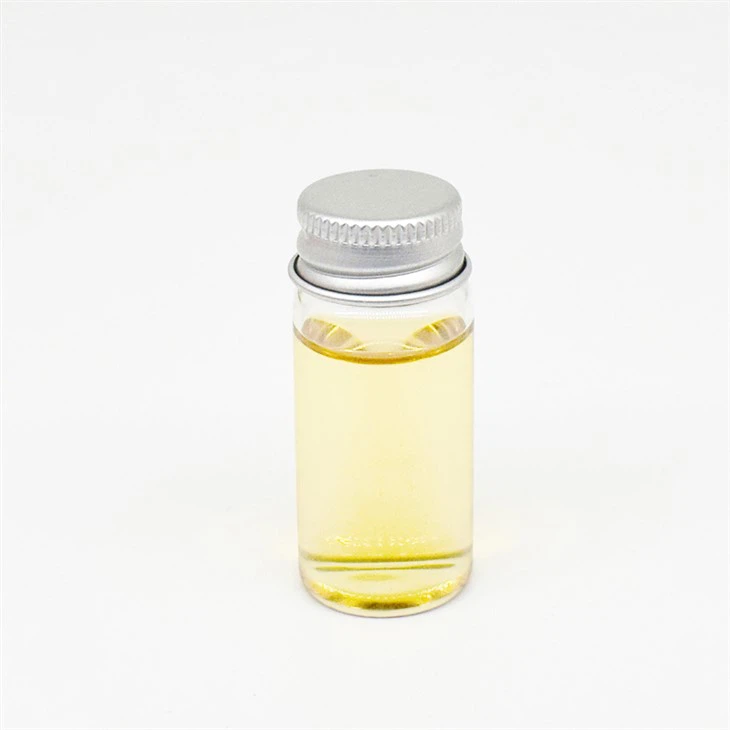
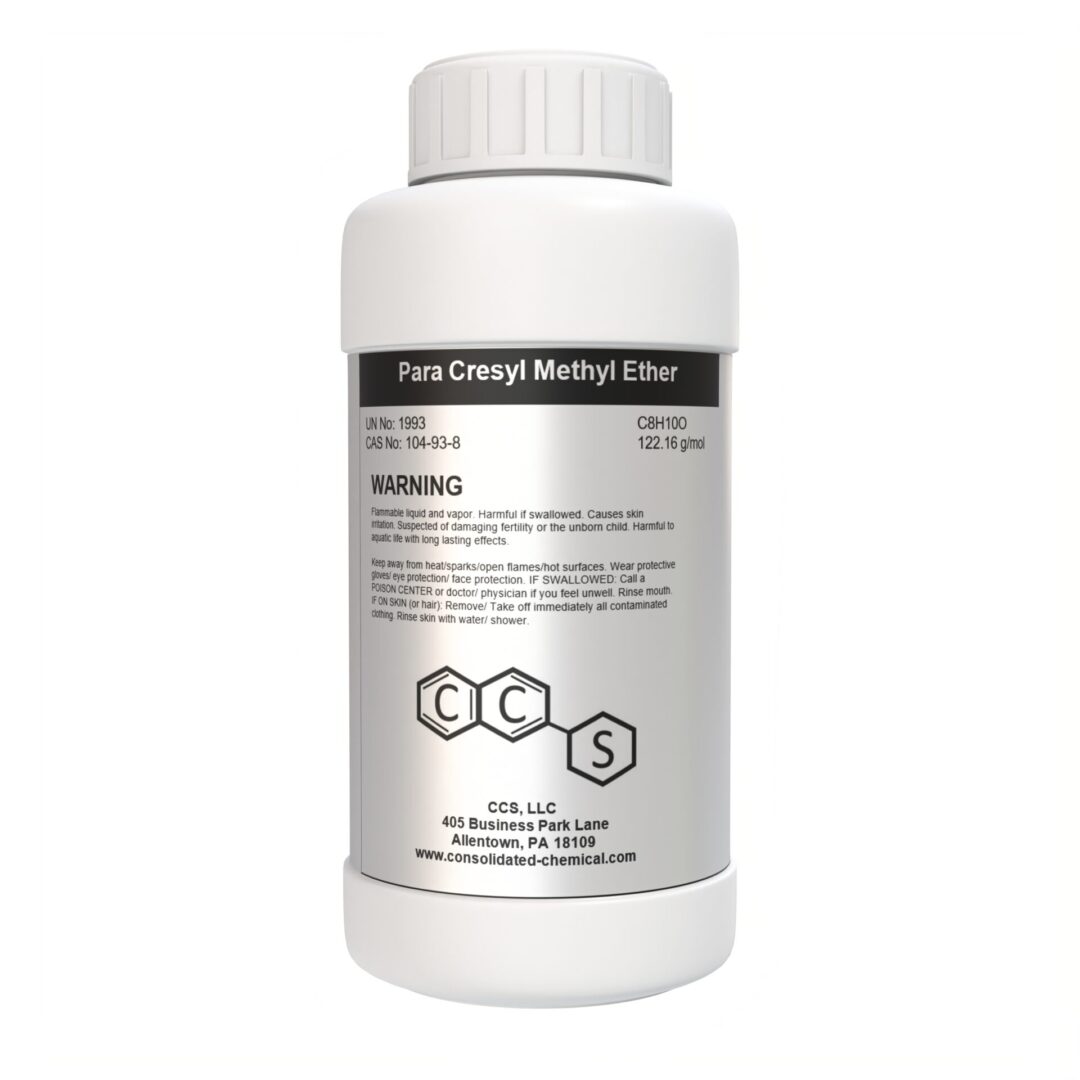
Description
Polyvinyl Methyl Ether (PVME): Unveiling a Versatile and Unique Polymer
Polyvinyl Methyl Ether (PVME), often abbreviated to PVME, is a synthetic polymer that might not be as widely known as polyethylene or PVC, but it possesses a unique set of properties that make it incredibly valuable in a diverse range of specialized applications. It stands out in the world of polymers due to its distinctive chemical structure and thermal behavior.
What is Polyvinyl Methyl Ether?
PVME is a polymer derived from the monomer methyl vinyl ether. Its chemical structure consists of a long carbon chain backbone with pendant methoxy (-OCH3) groups attached to every other carbon atom. This seemingly simple structural detail is responsible for its most intriguing characteristics.
It is typically produced via the cationic polymerization of methyl vinyl ether. Depending on the polymerization conditions, different grades with varying molecular weights and degrees of branching can be obtained, influencing its final properties and applications.
Key Properties that Make PVME Unique
- Inverse Temperature-Dependent Water Solubility (LCST Behavior): This is arguably PVME’s most defining feature. Unlike most polymers that become more soluble or remain unaffected by heating, PVME exhibits an Lower Critical Solution Temperature (LCST). It is readily soluble in cold water (and many organic solvents), but becomes insoluble and precipitates or gels when heated above a certain temperature (typically around 30-40°C, depending on its molecular weight and concentration). This “smart” or “thermosensitive” behavior is crucial for many of its applications.
- Excellent Adhesion: PVME possesses exceptional adhesive properties. It can adhere strongly to a wide variety of substrates, including metals, plastics, glass, paper, and wood. This high tack and bonding strength make it ideal for adhesive formulations.
- Film-Forming Capabilities: It can form clear, flexible, and tough films from solution. These films exhibit good barrier properties and are resistant to greases and oils.
- Compatibility: PVME is highly compatible with many other polymers, resins, plasticizers, and waxes. This allows formulators to blend it to modify properties, such as tack, flexibility, and viscosity, or to improve adhesion to specific surfaces.
- Viscosity Modification: In solutions, PVME can act as an effective thickener or rheology modifier, allowing for control over the flow properties of liquids.
- Thermo-Plasticity: While it exhibits inverse water solubility, it is still a thermoplastic material, meaning it can be melted and reformed upon heating, which is advantageous for processing.
Diverse Applications of PVME
The unique properties of PVME have carved out significant niches for it across various industries:
- Adhesives: This is perhaps its largest application area. Its excellent tack and adhesion, combined with its ability to be formulated as hot-melt, pressure-sensitive, or remoistenable adhesives, make it invaluable for:
- Tapes and Labels: Providing strong, durable bonds.
- Construction Adhesives: For bonding various building materials.
- Packaging: Securely sealing cartons and flexible packaging.
- Bookbinding: Offering flexibility and strength.
- Woodworking: As a component in durable wood glues.
- Coatings: PVME is used in various coating formulations due to its film-forming properties, adhesion, and resistance.
- Paints and Lacquers: To enhance adhesion, flexibility, and provide a protective layer.
- Textile Coatings: For sizing, stiffening, and binding fibers.
- Paper Coatings: To improve printability, strength, and barrier properties.
- Personal Care & Cosmetics: Certain grades of PVME are approved for use in personal care products, leveraging its film-forming and binding capabilities.
- Hair Care: In hair sprays and gels as a film-former to provide hold and style retention.
- Skin Care: In creams and lotions as a film-former, emulsifier, or thickener.
- Oral Care: In denture adhesives.
- Pharmaceuticals: PVME’s biocompatibility and film-forming properties make it useful in pharmaceutical applications.
- Tablet Coatings: For controlled release formulations or to protect active ingredients.
- Binders: In tablet manufacturing to hold ingredients together.
- Specialty Industries:
- Electronics: As binders in conductive pastes or ceramic formulations.
- Construction: As an additive in cement and mortar to improve workability, water retention, and adhesion.
- Ink Formulations: To enhance adhesion to various substrates and improve print quality.
Safety and Environmental Considerations
PVME is generally considered safe for its intended applications, especially the grades used in personal care and pharmaceuticals. It is largely non-toxic and non-irritating. As with most synthetic polymers, it is not readily biodegradable, and disposal should follow standard plastic waste guidelines.
Conclusion
Polyvinyl Methyl Ether, or PVME, is a fascinating and highly functional polymer that plays a critical role in numerous industries. Its unique combination of inverse temperature-dependent water solubility, exceptional adhesion, and film-forming abilities allows it to outperform common polymers in specialized applications. As industries continue to seek advanced materials that offer specific performance characteristics, PVME’s versatility ensures its continued relevance and potential for new innovations.


Reviews
There are no reviews yet.