
Description
An Overview of Polyvinyl Formal: Properties, Synthesis, and Applications
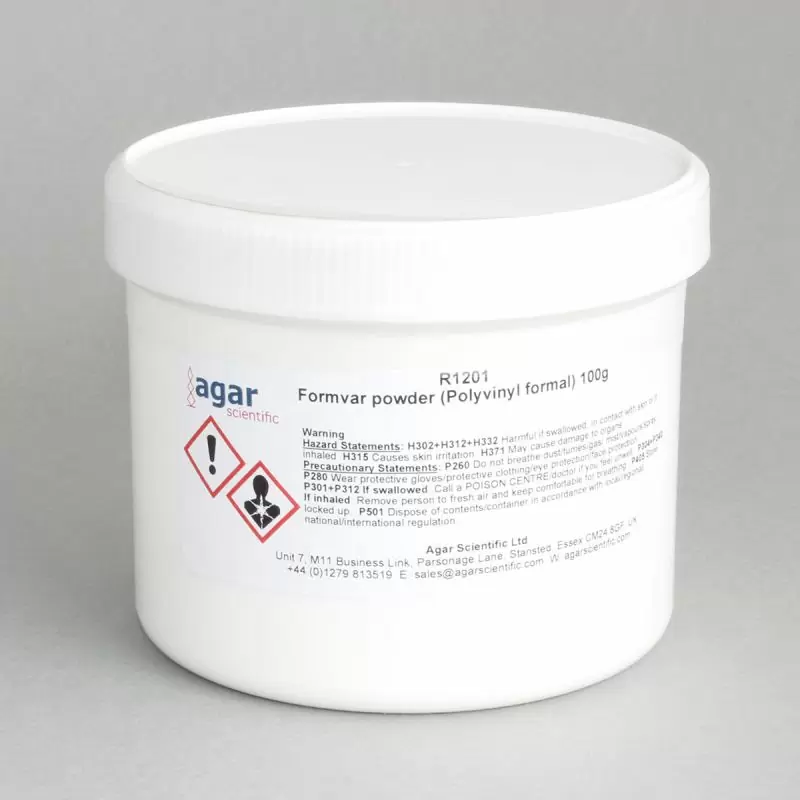
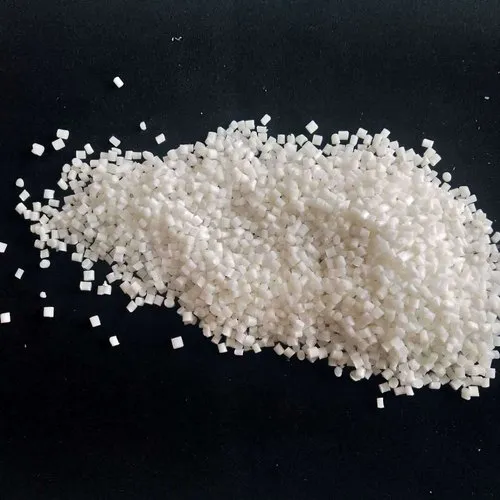
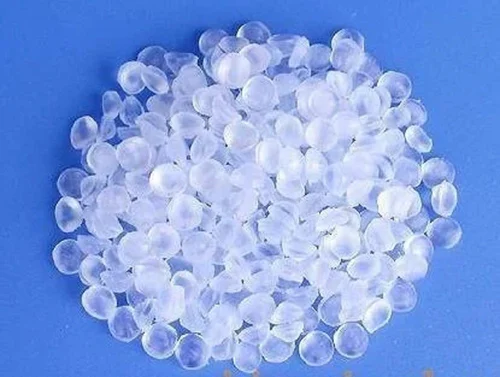
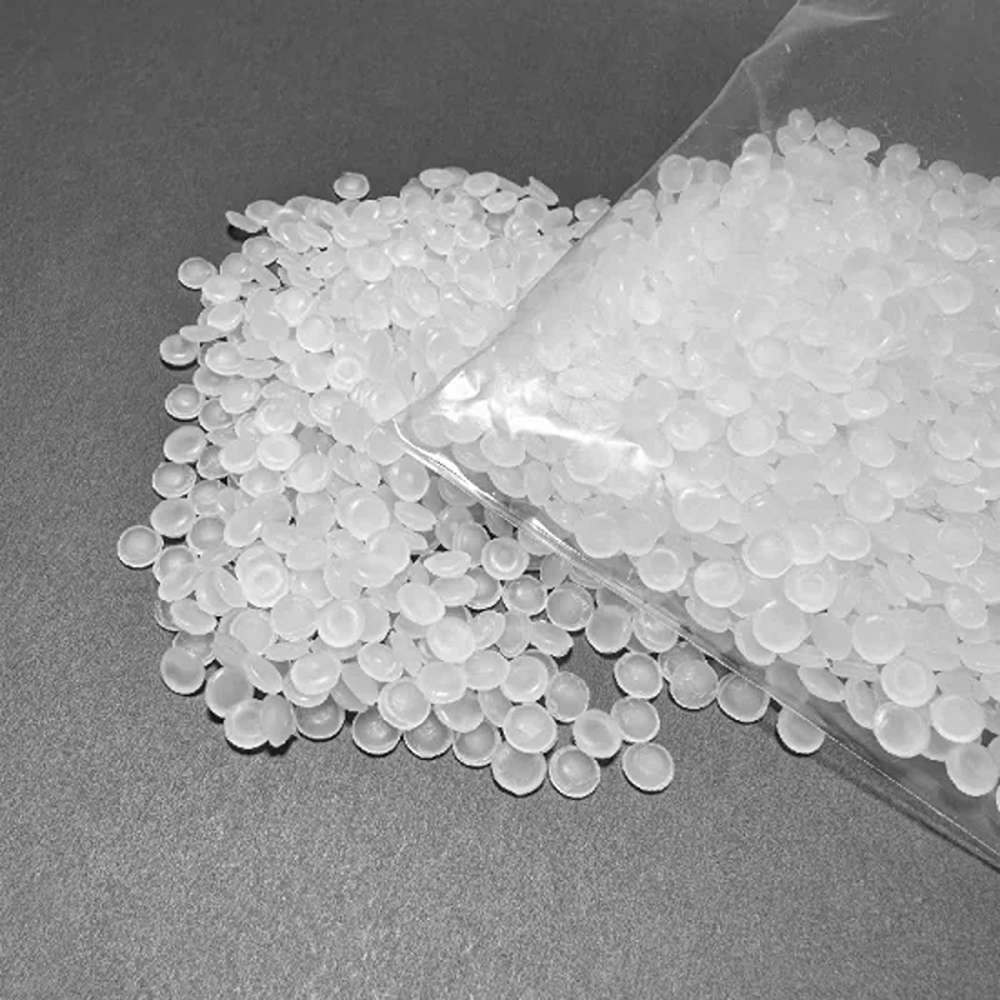
Polyvinyl formal (PVF) is a synthetic polymer derived from polyvinyl alcohol (PVA) through a formalization process. It is known for its excellent chemical resistance, mechanical strength, and electrical insulating properties, making it valuable in various industrial and commercial applications.
Chemical Structure and Synthesis
Polyvinyl formal is produced by reacting polyvinyl alcohol with formaldehyde under acidic or neutral conditions. This reaction introduces acetal groups (-CH(O)-) into the polymer chain, leading to a partially formalized polymer. The degree of formalization, which refers to the extent of hydroxyl groups converted into acetal groups, affects the polymer’s properties such as solubility, thermal stability, and rigidity.
The general reaction can be described as:
Polyvinyl Alcohol + Formaldehyde → Polyvinyl Formal + Water
The formation of acetal linkages results in a polymer with fewer free hydroxyl groups, making PVF less hydrophilic and more resistant to solvents compared to its precursor PVA.
Properties of Polyvinyl Formal
- Mechanical Properties: PVF exhibits high tensile strength, toughness, and dimensional stability. Its rigidity can be tailored by adjusting the degree of formalization.
- Chemical Resistance: It is resistant to many organic solvents, oils, and greases, as well as alkalis and dilute acids.
- Thermal Stability: PVF is stable over a wide temperature range, with improved heat resistance compared to polyvinyl alcohol.
- Electrical Insulation: Because of its excellent dielectric properties, PVF is widely used in electrical applications.
- Solubility: Unlike PVA, which is soluble in water, PVF is insoluble or only partially soluble, depending on the degree of formalization, which enhances its utility in moisture-exposed environments.
Applications of Polyvinyl Formal
- Electrical and Electronics Industry: PVF’s excellent insulating properties make it suitable for producing films used in capacitors, insulating tapes, and wire enamels.
- Coatings and Adhesives: Due to its chemical resistance and adhesive qualities, PVF is used in protective coatings and specialty adhesives.
- Composites: PVF serves as a matrix resin in composite materials, offering good bonding strength and durability.
- Packaging Films: Its barrier properties against moisture and gases enable its use in packaging films for sensitive products.
- Textile Finishes: PVF can be applied as a finishing agent to impart water resistance and dimensional stability to fabrics.
Advantages and Limitations
Advantages:
- Enhanced chemical and thermal resistance compared to polyvinyl alcohol.
- Good mechanical and electrical insulating properties.
- Versatility in processing and application.
Limitations:
- The reaction process requires careful control to achieve the desired degree of formalization.
- Possibility of residual formaldehyde, which may be a concern for some applications.
- Limited biodegradability as a synthetic polymer.
Conclusion
Polyvinyl formal stands out as a versatile and robust polymer with a combination of desirable mechanical, chemical, and electrical properties. Its unique characteristics, driven primarily by the introduction of acetal groups through formalization, allow it to serve critical roles in industries ranging from electronics to packaging. Ongoing research continues to improve its production methods and expand its applications, enhancing its relevance in modern material science.


Reviews
There are no reviews yet.