
Description
Polyvinyl formal (PVF)
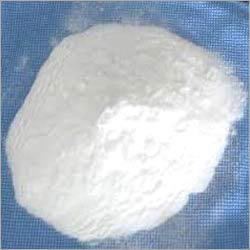
Polyvinyl formal is a crosslinked polyvinyl alcohol-derived resin produced by acetalization of polyvinyl alcohol (PVA) with formaldehyde. The reaction forms acetal linkages between hydroxyl groups, yielding a thermosetting network that is typically more resistant to solvents and heat than its non-crosslinked precursors.
What it is and how it is made
- Definition: A crosslinked polymer (thermoset) formed from PVA through formaldehyde treatment to create acetal bridges.
- Key idea: Degree of acetalization controls crosslink density, which in turn tunes stiffness, solvent resistance, and thermal stability.
- General synthesis outline:
- Start with PVA.
- Expose to formaldehyde under acidic conditions to form acetal crosslinks.
- Cure the material to achieve the final thermoset network.
Structure and properties
- Structure: Main chain with vinyl units linked by acetal crosslinks derived from formaldehyde reacting with the hydroxyl groups on PVA.
- Solubility and processing: Insoluble in water after cure; not melt-processable due to crosslinking. Can be processed as coatings or films from appropriate solvents before cure.
- Key properties (typical):
- High chemical resistance and abrasion resistance
- Good dimensional stability and solvent resistance
- Optical clarity can be maintained in well-cured films
- Elevated glass transition temperature (Tg) relative to uncured PVA
Common applications
- Coatings and varnishes: Protective top coats for wood, metal, and other substrates.
- Laminates and films: Used in specialty laminates where chemical and moisture resistance is important.
- Adhesives and binders: Durable binder in certain formulations requiring solvent resistance.
- Often considered as an alternative to other acetals such as polyvinyl butyral (PVB) in niche applications, depending on formulation and cure conditions.
Processing and formulation considerations
- Curing requirement: PVF typically requires a curing step to achieve final properties; it is not a thermoplastic.
- Formulation variables: The degree of acetalization, curing temperature, and curing time determine network density, hardness, and adhesion.
- Solvent choices: Pre-cure formulations are handled in organic solvents suitable for PVA derivatives; crosslinking is performed in a controlled environment to avoid incomplete cure or residual formaldehyde concerns.
Safety and handling notes
- Formaldehyde and acidic curing conditions are involved in PVF synthesis. Handle with appropriate engineering controls, such as fume hoods, and use personal protective equipment. Ensure proper ventilation and waste handling in line with regulatory guidelines.
Quick comparison to related polymers
| Property / Polymer | Polyvinyl formal (PVF) | Polyvinyl alcohol (PVA) | Polyvinyl butyral (PVB) |
|---|---|---|---|
| Nature | Crosslinked thermoset (acetal) | Water-soluble or water-swellable polymer | Thermoplastic resin, film-forming |
| Solubility pre-cure | Solvent processing possible | Water-soluble (depending on grade) | Solvent soluble for film formation |
| Processing after cure | Not melt-processable; uses coatings/laminates | Processable by solution or melt (depending on grade) | Melt- or solvent-processed films and laminates |
| Typical applications | Coatings, protective laminates, specialty adhesives | Adhesives, textile finishes, coatings | Laminated glass, coatings, packaging films |
If you’re looking for something specific
- Tell me your intended use (coating, film, laminate, adhesive, etc.).
- Share any constraints (solvent system, curing conditions, substrate).
- I can tailor a more precise description, formulation considerations, or processing guidelines.
Key takeaway
Polyvinyl formal is a crosslinked derivative of polyvinyl alcohol formed with formaldehyde to create a durable, solvent-resistant thermoset suitable for coatings, laminates, and specialty adhesives. Its performance hinges on the degree of acetalization and the curing process.


Reviews
There are no reviews yet.