
Description
Title: Polyvinyl Acetate (PVAc): Properties, Applications, and Advantages
Introduction
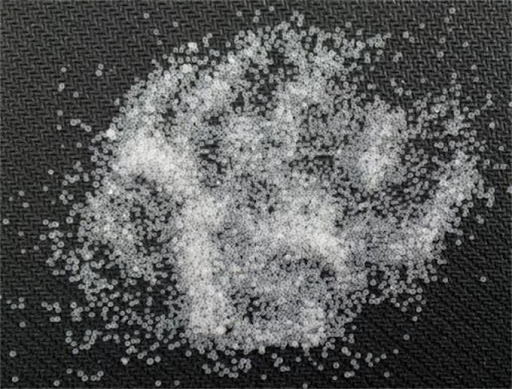
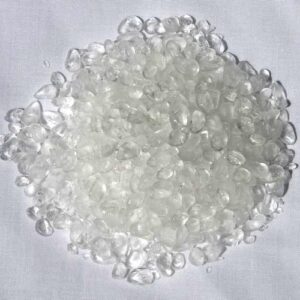
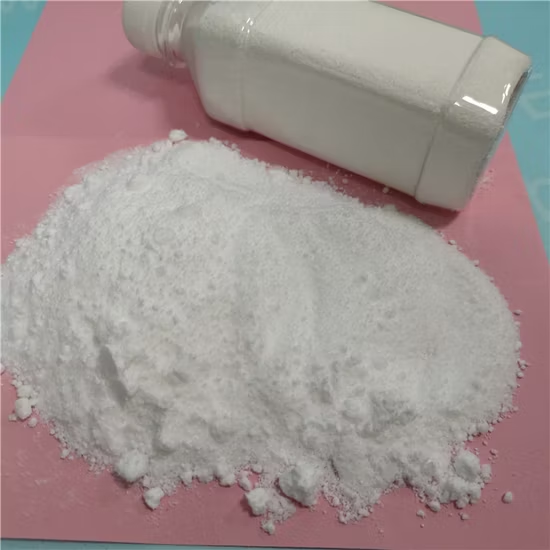
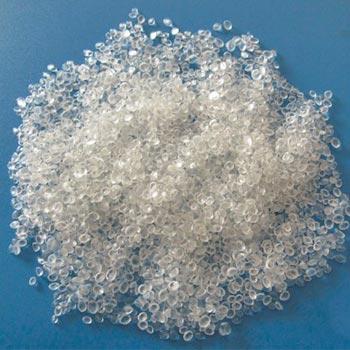
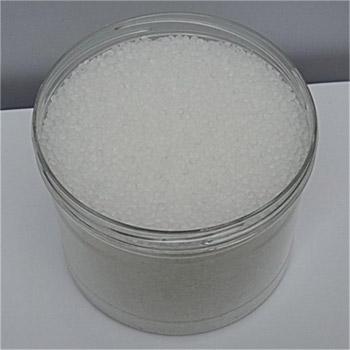
Polyvinyl acetate (PVAc) is a synthetic, water-soluble polymer that has gained significant importance in various industries due to its versatile properties and wide range of applications. Derived from the polymerization of vinyl acetate, PVAc is a white, granular, or powdery substance with a distinctive odor. This article will explore the properties, applications, and advantages of polyvinyl acetate, as well as its impact on modern industry.
Properties of Polyvinyl Acetate
- Solubility: PVAc is highly soluble in water and various organic solvents, such as alcohols, ketones, and esters. This property allows for easy processing and application of PVAc-based products.
- Adhesion: PVAc exhibits excellent adhesive properties, making it an ideal choice for various bonding applications. It forms strong bonds with a wide range of materials, including wood, paper, leather, and textiles.
- Film Formation: Upon drying, PVAc forms a clear, flexible, and transparent film that provides excellent protection against moisture and mechanical stress.
- Thermal Stability: PVAc has a relatively low melting point (approximately 180°C) and is not suitable for high-temperature applications. However, its thermal stability is sufficient for many applications, including woodworking, paper manufacturing, and adhesive production.
- Non-Toxicity: PVAc is considered non-toxic and is widely used in products that come into contact with food, such as food packaging and containers.
Applications of Polyvinyl Acetate
- Adhesives: PVAc is widely used as a base for various adhesive formulations, including white glue, craft glue, and woodworking adhesives. It is particularly popular in woodworking due to its strong bonding properties with wood and other porous materials.
- Paints and coatings: PVAc is a common ingredient in water-based paints and coatings due to its film-forming properties and excellent adhesion to various substrates. It is also used as a binder in latex paints, providing durability and flexibility to the paint film.
- Textile manufacturing: PVAc is used as a sizing agent in the textile industry to improve the weaving process and enhance the appearance and feel of the fabric. It is also used as a finishing agent to provide water resistance and improve the durability of the fabric.
- Paper manufacturing: PVAc is used as a binder in the production of paper, providing strength and flexibility to the paper. It is also used as a coating agent to improve the surface properties of the paper, such as gloss, opacity, and printability.
- Art and craft materials: PVAc is a popular choice for artists and crafters due to its excellent adhesive properties and ease of use. It is commonly used in the production of art and craft materials, such as glue sticks, adhesive tapes, and modeling compounds.
Advantages of Polyvinyl Acetate
- Versatility: PVAc’s wide range of properties makes it suitable for a variety of applications across different industries.
- Ease of use: PVAc is easy to process and apply, making it an ideal choice for DIY projects and home repairs.
- Non-toxicity: PVAc’s non-toxic nature makes it safe for use in products that come into contact with food and other consumables.
- Environmentally friendly: PVAc-based products are generally considered environmentally friendly due to their water-based formulations and low levels of volatile organic compounds (VOCs).
- Cost-effective: PVAc is relatively inexpensive compared to other synthetic polymers, making it an attractive option for manufacturers and consumers alike.
Conclusion
Polyvinyl acetate (PVAc) is a versatile, water-soluble polymer with a wide range of applications across various industries. Its excellent adhesive properties, film-forming capabilities, and non-toxic nature make it an ideal choice for a variety of products, including adhesives, paints, coatings, and textile and paper manufacturing. As modern industries continue to evolve, PVAc is likely to remain a popular and important material for years to come.


Reviews
There are no reviews yet.