
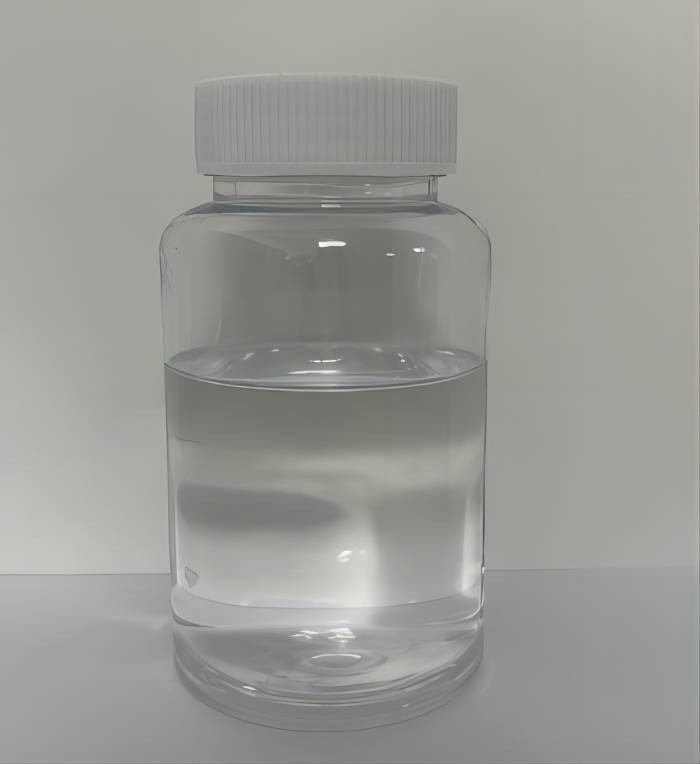
Description
Polysiloxane: The Versatile Polymer Shaping Our World
Polysiloxane, often referred to as silicone, is much more than just that sealant you use around your bathtub. It’s a remarkably versatile synthetic polymer with a unique chemical structure that makes it incredibly valuable across a wide range of industries. From cosmetics and cookware to medical implants and aerospace applications, polysiloxanes are quietly shaping our world in profound ways.
So, what makes polysiloxane so special? The answer lies in its backbone: a chain of silicon and oxygen atoms (-Si-O-Si-O-). This structure is significantly different from the carbon-carbon backbone found in most organic polymers. This seemingly simple difference imparts a host of desirable properties.
Key Properties and Advantages of Polysiloxanes:
- High Thermal Stability: The strong silicon-oxygen bond contributes to exceptional heat resistance. Polysiloxanes can withstand high temperatures without significant degradation, making them ideal for high-heat applications.
- Chemical Inertness: Polysiloxanes are largely unreactive with other chemicals, making them resistant to degradation and corrosion. This property is crucial in environments where exposure to harsh chemicals is expected.
- Water Repellency (Hydrophobicity): The surface of polysiloxane is inherently hydrophobic, meaning it repels water. This makes them excellent for waterproofing, coatings, and sealants.
- Flexibility and Elasticity: Polysiloxanes can be formulated to be incredibly flexible and elastic, even at low temperatures. This makes them suitable for adhesives, elastomers, and flexible molds.
- Biocompatibility: Polysiloxanes are generally considered biocompatible, meaning they don’t typically cause adverse reactions in the body. This makes them invaluable in medical applications.
- Electrical Insulation: Polysiloxanes are excellent electrical insulators, preventing the flow of electricity. This property is crucial in electronic components and high-voltage applications.
Applications Across Diverse Industries:
These remarkable properties have led to the widespread adoption of polysiloxanes in a multitude of industries:
- Construction: As sealants and adhesives, polysiloxanes provide durable, weather-resistant bonds for windows, doors, and other building components. Their flexibility allows them to accommodate movement and expansion without cracking.
- Automotive: Polysiloxanes are used in gaskets, hoses, and other components that require resistance to heat, chemicals, and weathering. They also contribute to the performance of vehicle paints and coatings.
- Cosmetics and Personal Care: Polysiloxanes are common ingredients in lotions, creams, shampoos, and conditioners. They provide a smooth, silky feel, improve the spreadability of products, and offer water repellency.
- Medical: From breast implants and catheters to drug delivery systems and wound dressings, polysiloxanes play a vital role in medical devices and treatments. Their biocompatibility and inertness make them well-suited for these applications.
- Electronics: Polysiloxanes are used as encapsulants, coatings, and adhesives in electronic components. Their electrical insulation properties protect sensitive circuitry and ensure reliable performance.
- Aerospace: Polysiloxanes are used in aircraft seals, lubricants, and adhesives due to their ability to withstand extreme temperatures and harsh environments.
- Food Industry: Polysiloxane-based cookware and bakeware benefit from its non-stick properties and heat resistance.
Looking to the Future:
The versatility of polysiloxanes continues to drive innovation. Researchers are exploring new applications in areas such as:
- Smart Textiles: Integrating polysiloxanes into fabrics to create waterproof, breathable, and even self-cleaning materials.
- Renewable Energy: Developing polysiloxane-based materials for solar cells and energy storage devices.
- Advanced Biomaterials: Creating new polysiloxane-based materials for tissue engineering and regenerative medicine.
In conclusion, polysiloxane is a remarkable polymer with a unique combination of properties that make it essential in a vast and growing range of applications. As research and development continue, we can expect even more innovative uses for this versatile material in the years to come, further solidifying its place as a cornerstone of modern technology.



Reviews
There are no reviews yet.