
Description
Polysiloxane
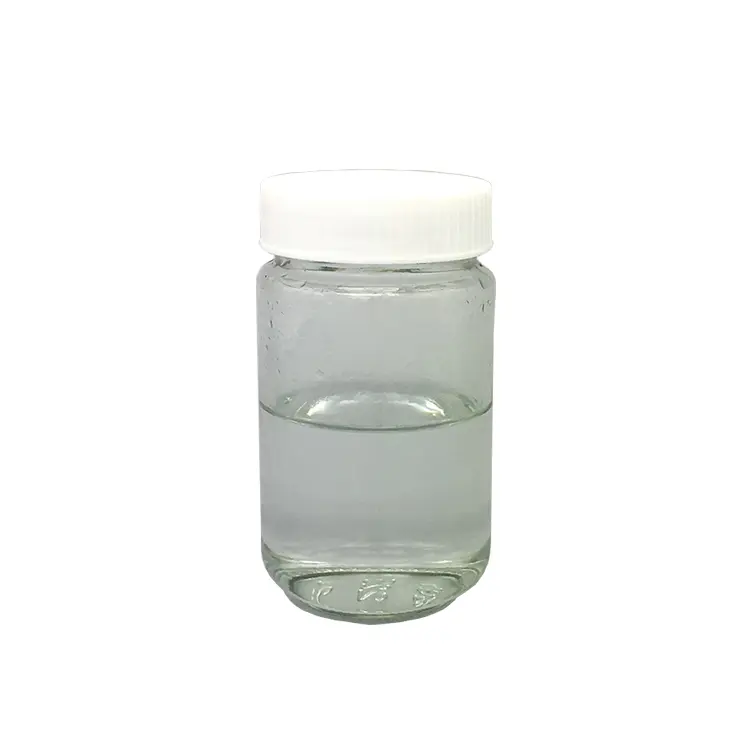
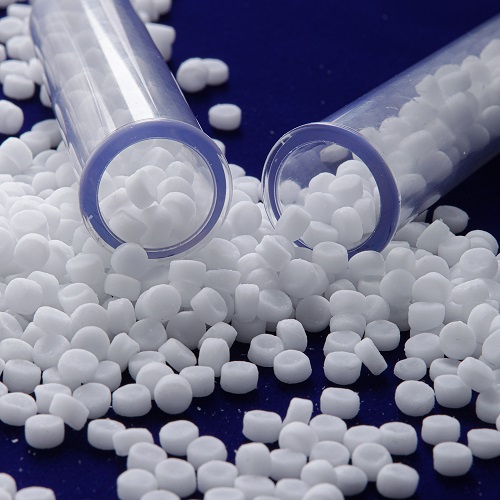
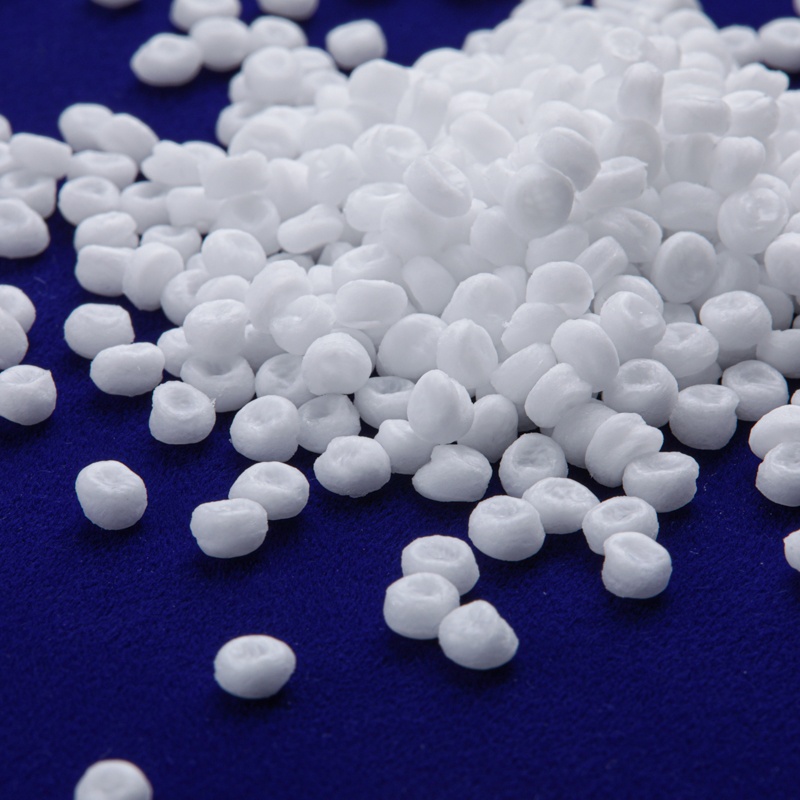
Polysiloxanes are a broad family of polymers that feature repeating -Si-O- backbone units with organic groups attached to silicon. They are commonly referred to as silicones in industry and everyday products. The most familiar member is polydimethylsiloxane (PDMS), but many variants exist with different substituents on silicon.
Structure and core properties
- Backbone: alternating silicon-oxygen bonds, forming a flexible chain: -Si-O-Si-O-.
- R groups: organic substituents attached to silicon (most commonly methyl groups, but others such as vinyl, phenyl, or fluorinated groups can be used).
- Key features:
- Very flexible with a very low glass transition temperature (Tg often well below room temperature)
- Excellent thermal stability for a wide range of temperatures
- Low surface energy, water-repellent, and chemically resistant
- Good electrical insulation and dielectric properties
- High gas permeability (useful in membranes and medical apps)
- Biocompatibility in many formulations (important for medical devices)
Common variants
- PDMS (poly(dimethylsiloxane)): the most widely used polysiloxane. R = methyl on silicon.
- Vinyl- or allyl-functional PDMS: provides sites for crosslinking
- Hydrosilane crosslinkers: used in addition-cure systems
- Fluorosiloxanes: include fluorinated side groups for enhanced chemical resistance
- Phenylsiloxanes: include phenyl groups to boost certain properties (e.g., optical clarity, heat resistance)
Synthesis and curing (high-level)
- Polymerization: typically involves condensation or addition reactions to form Si–O–Si bonds with Si–R groups. In practice, many silicones are made by hydrolysis and condensation of chlorosilanes or silanols, or by equilibrium polymerization of cyclic siloxanes.
- End groups: tune properties and processing; common end groups include trimethylsilyl or vinyl groups.
- Curing (crosslinking):
- Addition cure (vinyl-terminated PDMS with Si–H crosslinker): platinum-catalyzed hydrosilylation forms a three-dimensional network. No byproducts are released.
- Condensation cure: moisture or alcohol (or acetic acid in acetoxy silicones) is released as crosslinks form. May require surface primers or moisture exposure.
- Room-temperature vulcanizing (RTV) variants are common for sealants and molds.
Applications and use-cases
- Elastomeric seals and gaskets in automotive and construction
- Lubricants and greases with long-term stability
- Medical devices and implants (where biocompatibility and sterilization tolerance are important)
- Electronics and electrical insulation coatings and potting compounds
- Cosmetics and personal care formulations (emollients, conditioners)
- Sealants and adhesives for construction
- Mold release agents and silicone rubbers for industrial casting
Processing considerations and tips
- Choose the curing system based on application:
- If you need a clean, byproduct-free cure, prefer addition-cure silicones.
- If you need simple room-temperature processing and fast cure, RTV condensation silicones are convenient.
- For high-temperature applications, consider phenylated or fluorinated silicone variants for better thermal stability and chemical resistance.
- Surface properties can be tuned with end groups or filler loading (e.g., silica fillers to adjust hardness and thermal conductivity).
- When selecting a silicone for medical or food-contact uses, verify the specific grade and any regulatory approvals (FDA, USP Class VI, ISO standards).
Quick reference: representative properties
- PDMS (dimethylsiloxane):
- Tg: very low (around -125°C)
- Flexibility: excellent
- Dielectric: good
- UV resistance: moderate; may degrade under UV without stabilizers
- Fluorosiloxanes:
- Chemical resistance: enhanced (solvents, fuels)
- Tg: varies with substituents
- Processing: addition cure often used
- Phenylsiloxanes:
- Thermal stability: improved relative to PDMS
- Optical properties: good clarity and refractive index
- Processing: compatible with various cure chemistries
Comparative snapshot
| Type / Example | Backbone features | Key properties | Common curing/processing | Typical applications |
|---|---|---|---|---|
| PDMS (poly(dimethylsiloxane)) | -Si-O- backbone with methyl groups | Very flexible, low Tg, good dielectric, hydrophobic | Addition cure (Pt-catalyzed), condensation cure, RTV | Medical devices, seals, lubricants, cosmetics |
| Fluorosiloxane | -Si-O- backbone with trifluoropropyl/methyl groups | Superior chemical resistance, wide temperature tolerance | Addition cure common; may include vinyl and Si-H crosslinkers | Fuel-resistant seals, aerospace, harsh chemical environments |
| Phenylsiloxane | -Si-O- backbone with phenyl groups | Higher Tg, improved thermal/UV stability, optical properties | Various, including addition or condensation cures | High-temperature seals, optics, specialty coatings |
Summary / key takeaway
Polysiloxanes are a versatile class of silicone polymers built around a flexible Si–O– backbone. By varying the organic substituents on silicon and selecting appropriate curing strategies, they can be tailored for a wide range of applications from flexible seals and lubricants to medical devices and electronics. Their standout properties include thermal stability, chemical resistance, low surface energy, and excellent insulation, though UV stability and high-temperature performance can depend on the specific formulation.
If you have a specific variant in mind (for example, PDMS for a sealant or a fluorosiloxane for a fuel-resistant coating), tell me your application and any constraints (temp range, cure method, regulatory needs), and I can suggest a suitable formulation approach.


Reviews
There are no reviews yet.