

Description
Polyethylene Glycol (PEG): The Versatile Polymer Shaping Modern Life
Polyethylene glycol (PEG), often abbreviated as PEG, is a ubiquitous polymer finding its way into an astonishing array of products, from pharmaceuticals and cosmetics to industrial applications. This synthetic polyether compound, characterized by its repeating ethylene glycol units, boasts a remarkable versatility due to its water solubility, non-toxicity, and adjustable properties. Understanding PEG’s diverse applications hinges on understanding its unique characteristics.
What Exactly is PEG?
At its core, PEG is a chain of repeating ethylene glycol units (-(CH2CH2O)n-). The “n” represents the number of these units, and this number directly influences the molecular weight of the PEG molecule. This molecular weight is a crucial factor determining PEG’s physical properties, such as its viscosity, solubility, and melting point.
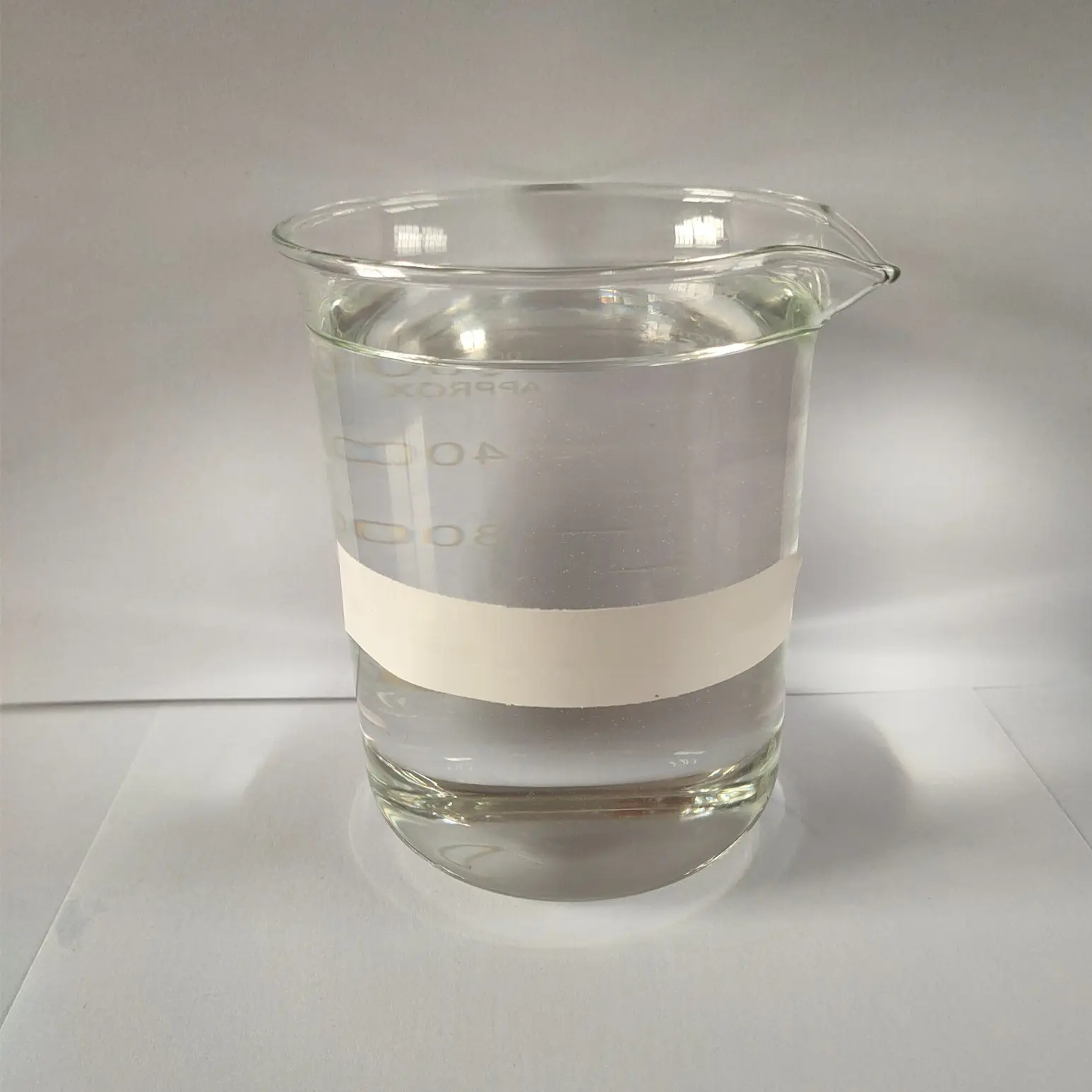
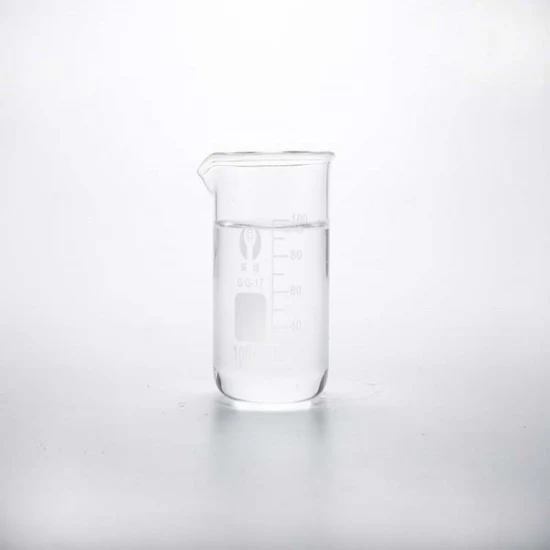
- Low molecular weight PEGs (e.g., PEG 400): These are typically liquids at room temperature.
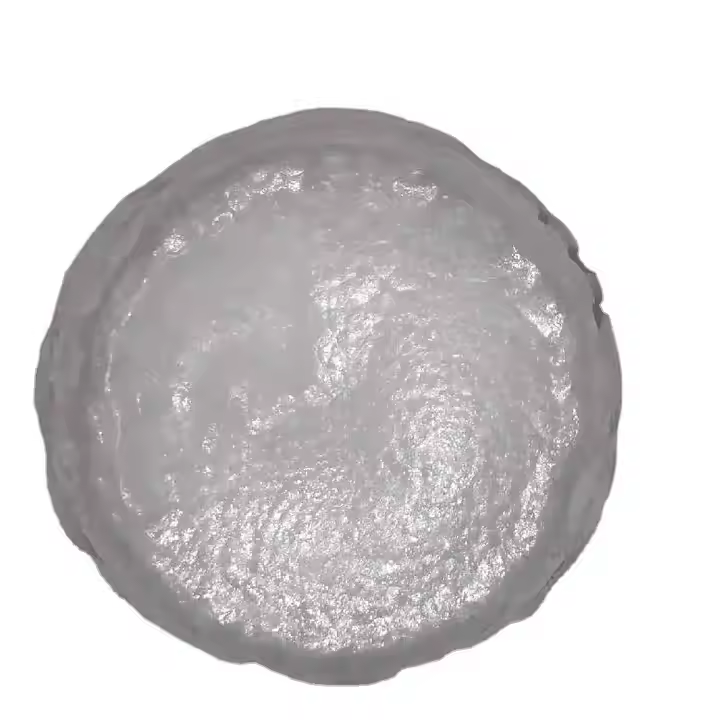
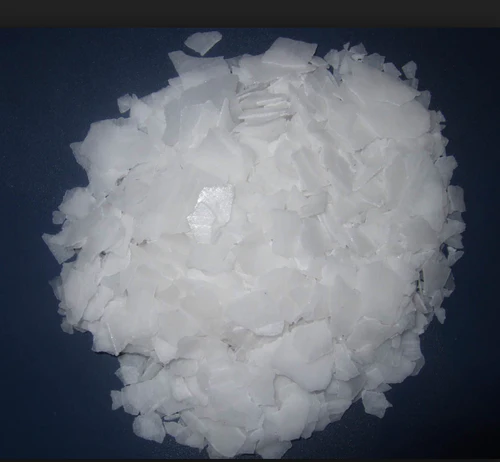
- High molecular weight PEGs (e.g., PEG 8000): These are solids at room temperature, often appearing as flakes or powders.
The versatility stems from the fact that scientists can tailor the molecular weight of PEG to achieve specific functionality in a given application.
Key Properties of PEG:
- Water Solubility: PEG readily dissolves in water and many organic solvents, making it ideal for applications requiring compatibility with aqueous solutions.
- Non-toxicity: PEG is generally considered non-toxic, contributing to its widespread use in biomedical applications.
- Biocompatibility: Its compatibility with biological systems makes it suitable for use in drug delivery and tissue engineering.
- Chemical Inertness: PEG is relatively inert, minimizing unwanted interactions with other substances.
- Adjustable Properties: By controlling the molecular weight, properties like viscosity, melting point, and solubility can be fine-tuned.
A Spectrum of Applications:
PEG’s unique properties have led to its adoption in a wide range of industries:
- Pharmaceuticals: Perhaps the most well-known application is in pharmaceuticals. PEGylation, the process of attaching PEG molecules to drugs or proteins, is used to:
- Increase drug bioavailability: By reducing degradation in the body and increasing circulation time.
- Reduce immunogenicity: Minimizing the body’s immune response to the drug.
- Improve drug solubility: Making poorly soluble drugs easier to administer.
- Targeted drug delivery: PEG can be used to help direct drugs to specific locations in the body.
- Cosmetics: PEG functions as a humectant (retains moisture), a solvent, and an emollient in cosmetics like lotions, creams, and makeup.
- Food Industry: PEG is used as a food additive, often as a binding agent, thickener, or stabilizer.
- Industrial Applications: PEG is employed in various industrial processes, including:
- Lubricants: Reducing friction in machinery.
- Surfactants: Lowering surface tension in liquids.
- Dispersants: Helping to evenly distribute materials in a mixture.
- Polymer synthesis: Building block for various polymer materials.
- Medical Applications Beyond Pharmaceuticals:
- Wound healing: Components in hydrogels for wound dressings.
- Tissue engineering: Used to create scaffolds for cell growth and tissue regeneration.
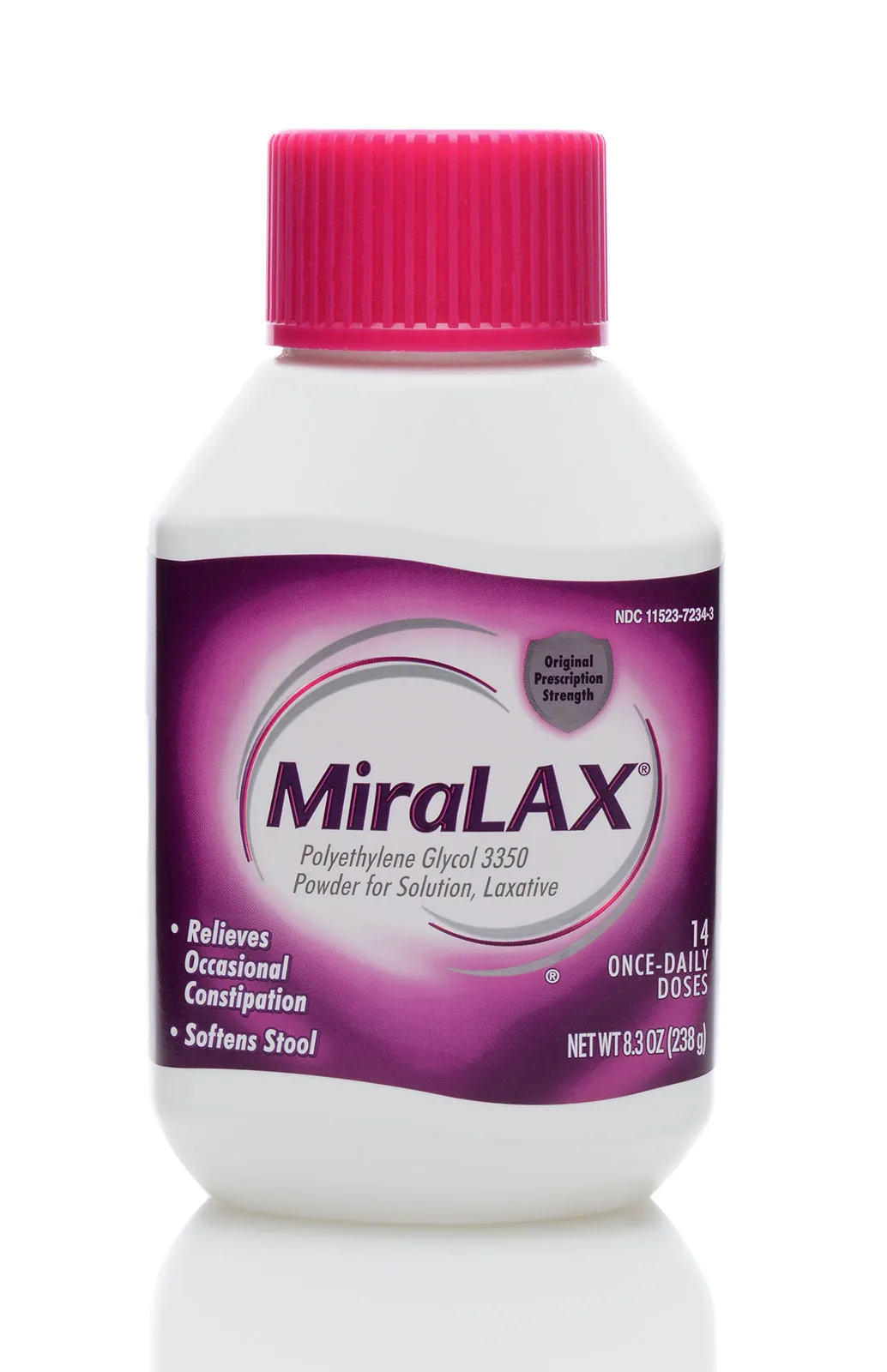
- Laxatives: High molecular weight PEG is used as an osmotic laxative to treat constipation by drawing water into the colon.
Safety Considerations:
While generally considered safe, concerns have been raised about potential allergic reactions to PEG in some individuals. Furthermore, the manufacturing process and potential contaminants should be carefully monitored, particularly for pharmaceutical applications. Research on the long-term effects of PEG exposure is ongoing.
The Future of PEG:
PEG’s continued relevance is driven by ongoing research and development aimed at expanding its applications. Scientists are exploring novel PEGylation techniques, developing PEG-based biomaterials with enhanced properties, and investigating the use of PEG in emerging fields like nanotechnology and regenerative medicine. As research progresses, we can expect to see PEG play an increasingly significant role in shaping future technologies and improving human health.
In conclusion, polyethylene glycol is a remarkable polymer with exceptional versatility. Its unique properties, coupled with ongoing innovation, solidify its place as a vital component in diverse industries and a promising material for the future. Understanding its characteristics and applications is crucial for appreciating its impact on modern life.



Reviews
There are no reviews yet.