
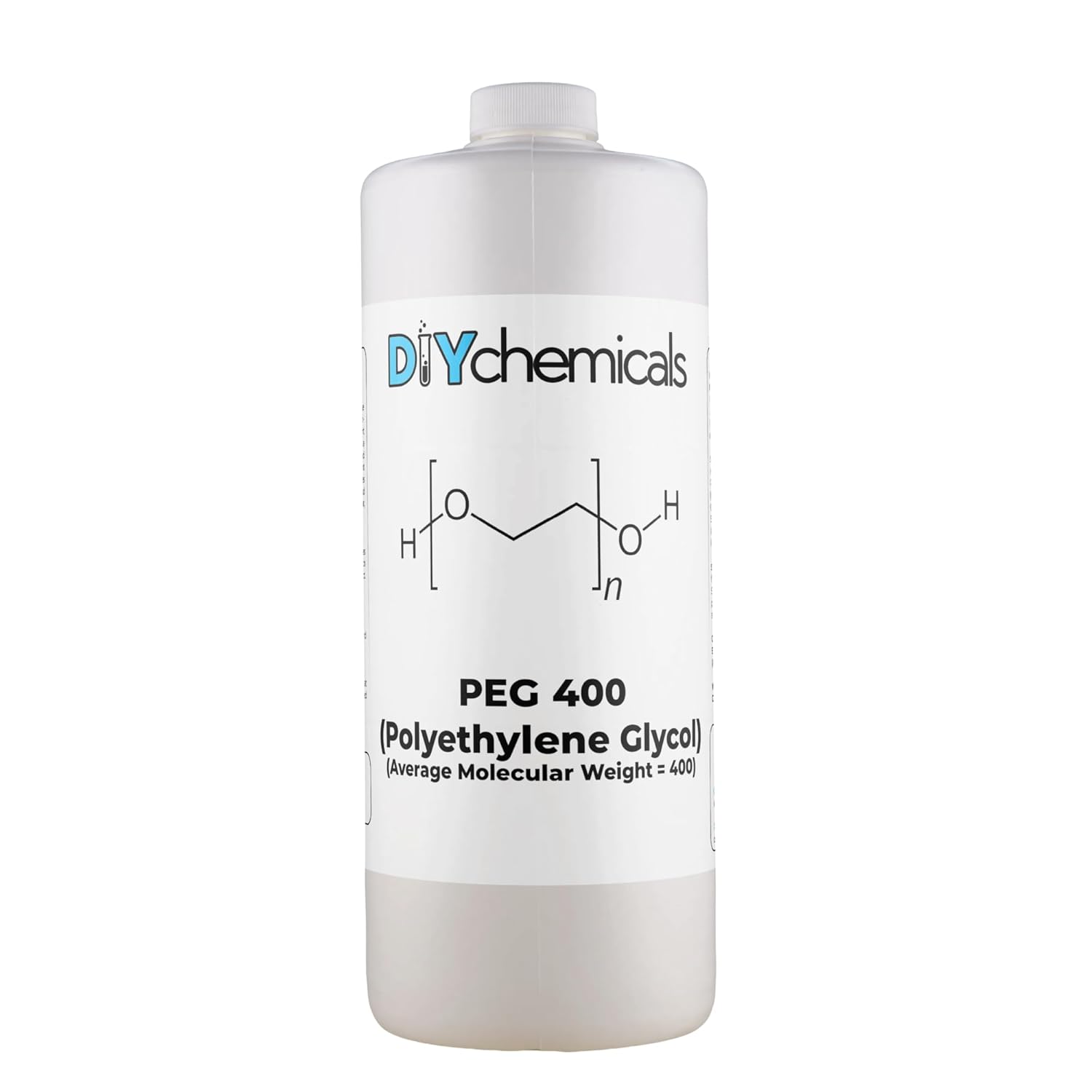
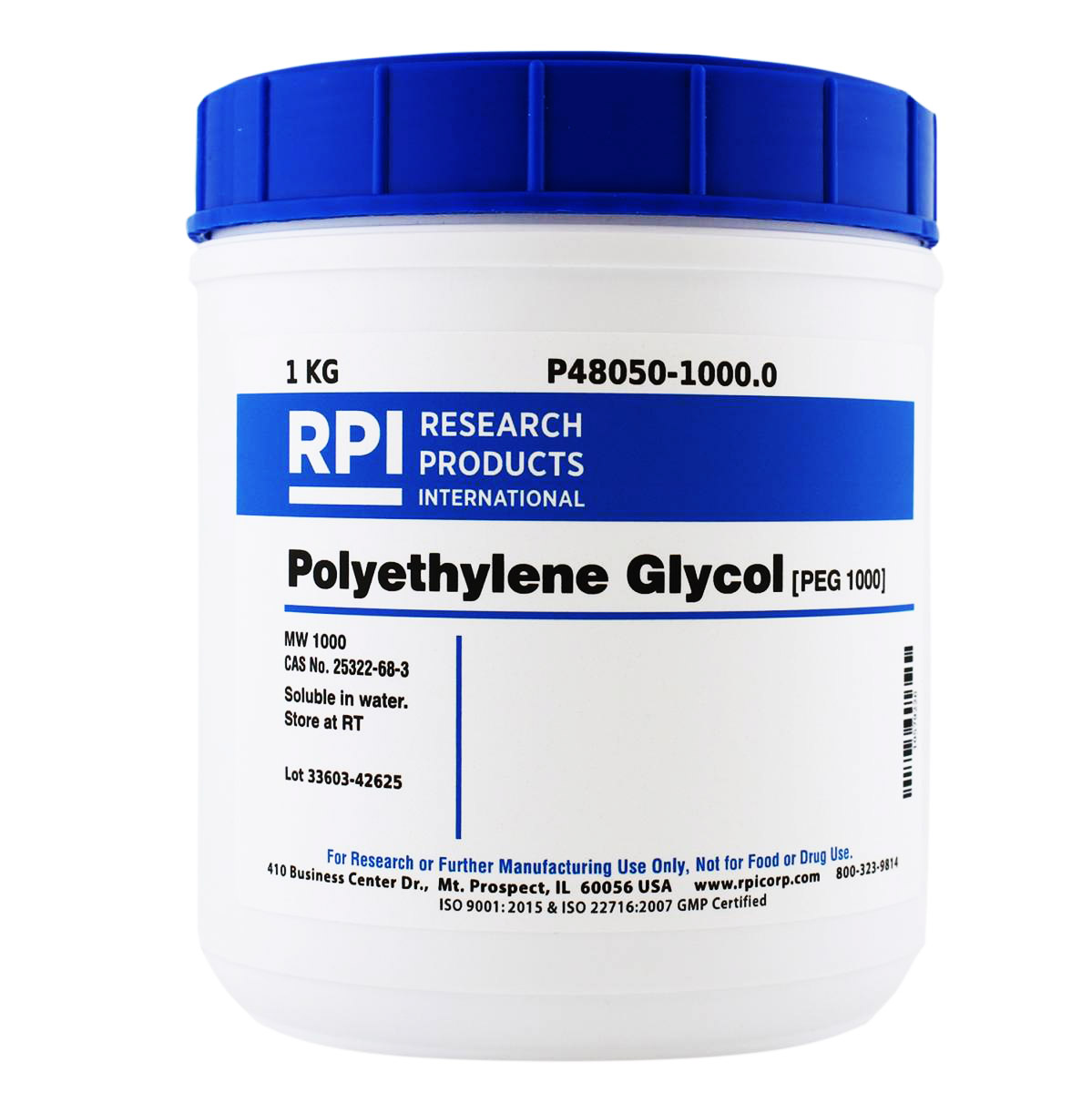
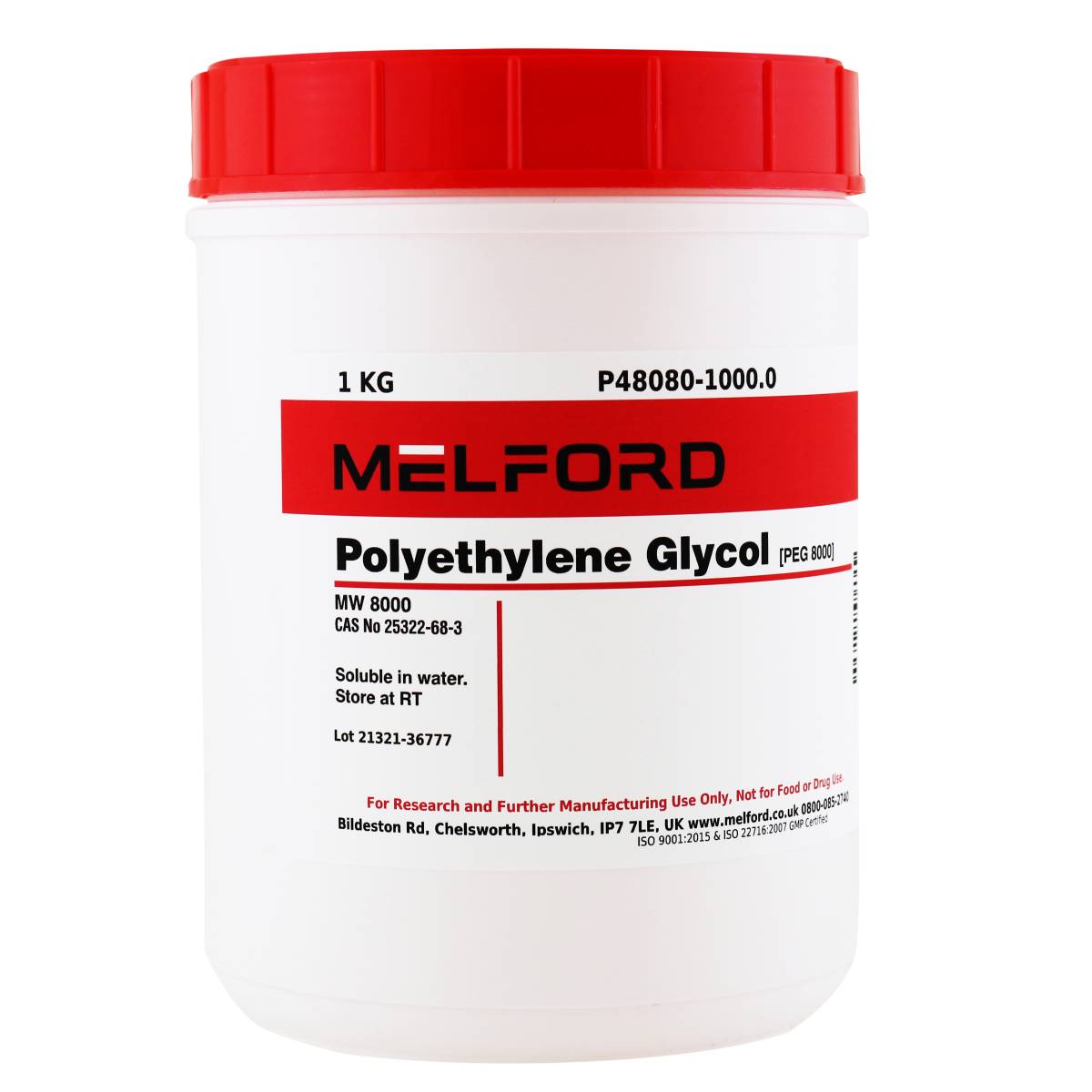
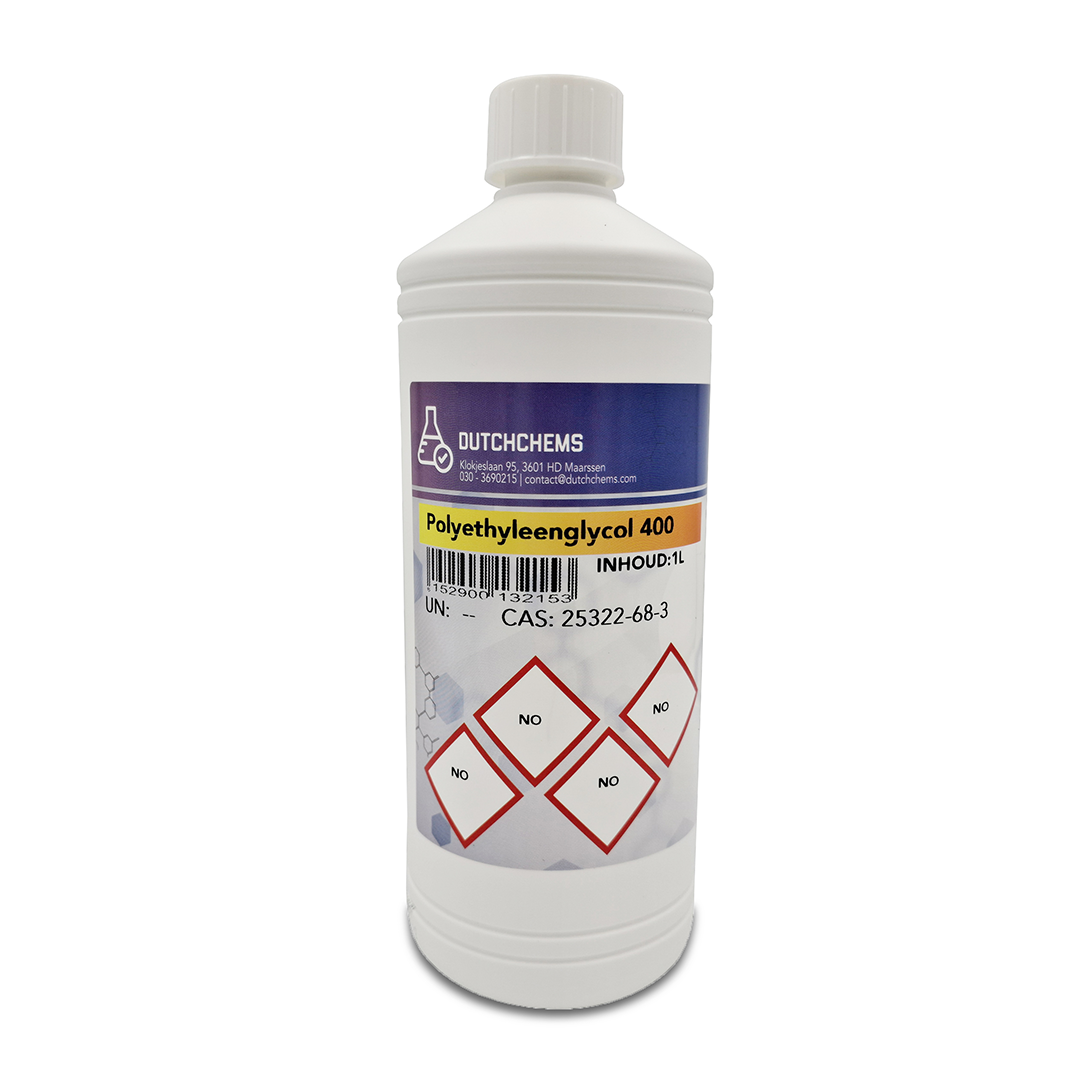
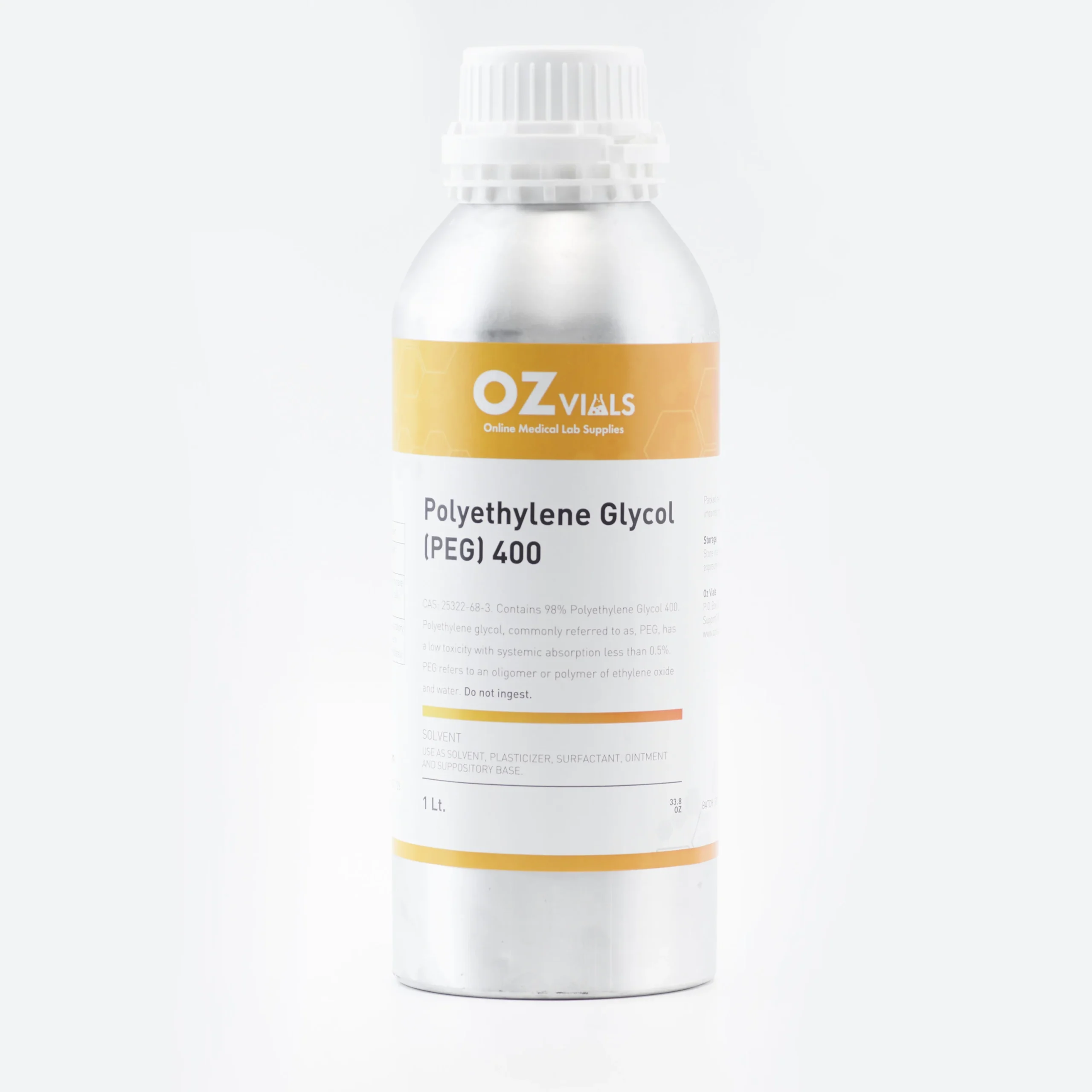
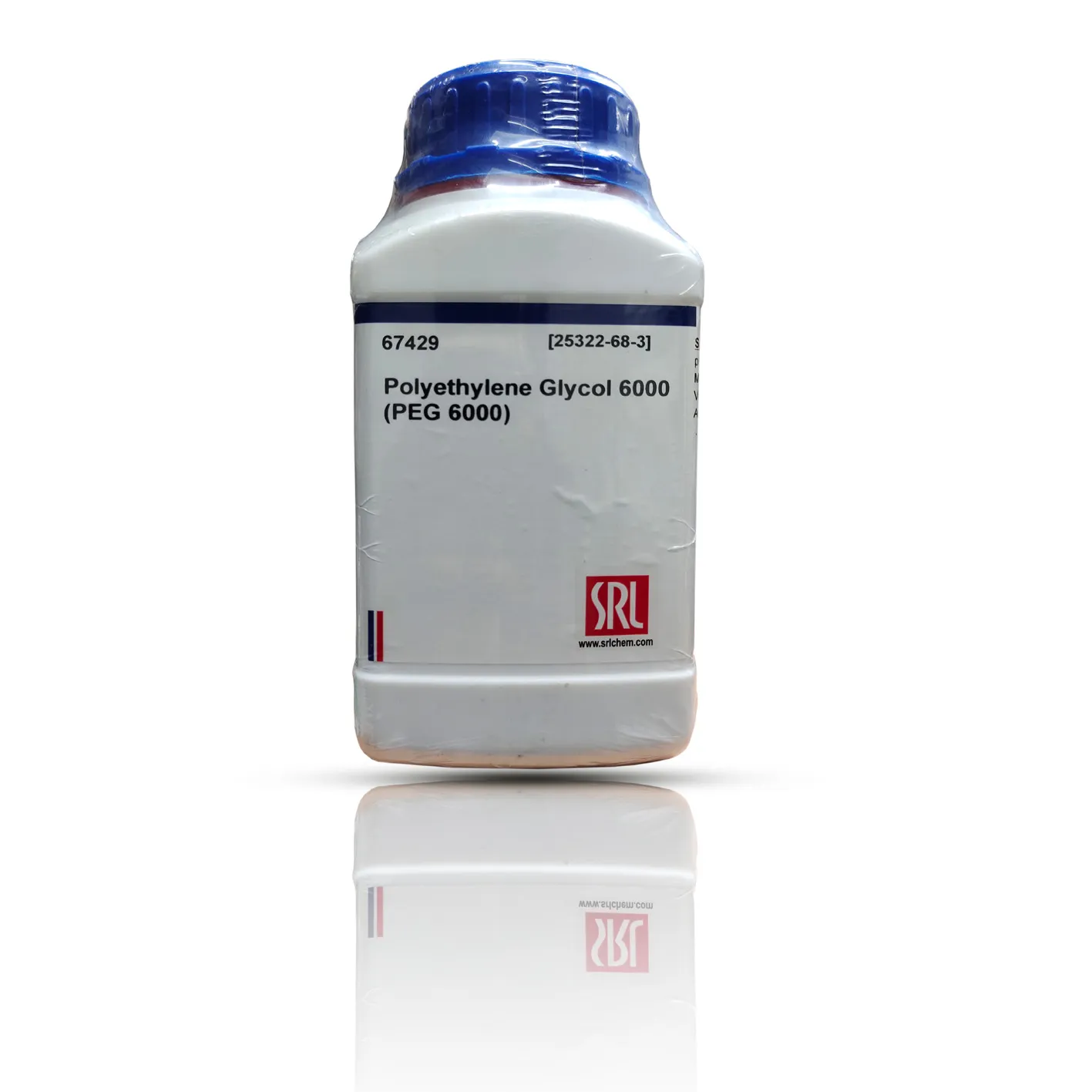
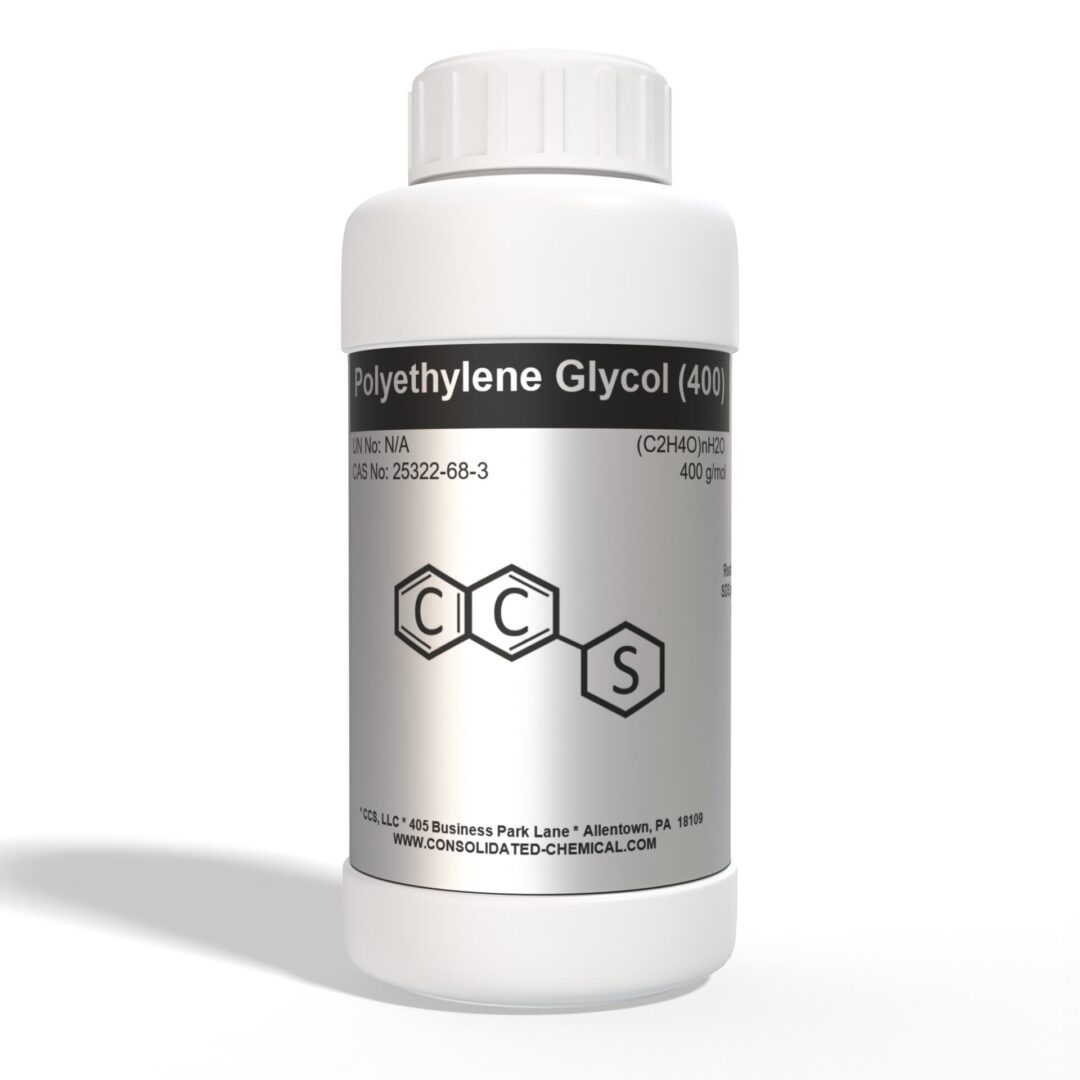
Description
1. Product Overview
Polyethylene Glycol (PEG) is a versatile polymer widely used across chemical, pharmaceutical, and industrial applications due to its solubility, chemical stability, and non-toxic nature. Its primary industrial use includes acting as a solvent, plasticizer, dispersant, and base for formulations in coatings, adhesives, cosmetics, and pharmaceutical intermediates. The key value proposition of PEG lies in its consistent performance, compatibility with multiple chemical systems, and ability to enhance product stability and process efficiency. Strategically, PEG is essential for industries seeking reliable, high-quality polymeric solutions that enable scalable manufacturing and product differentiation. Its global demand underscores its importance as a core industrial polymer for modern chemical and pharmaceutical supply chains.
2. Key Specifications & Technical Characteristics
- Chemical Composition / Material Components: Polyethylene glycol homopolymers (EO units)
- Purity Level / Grade: Technical and industrial-grade, ≥99% active content
- Physical Characteristics:
- Form: Solid (granules, powder) or liquid (viscous) depending on molecular weight
- Color: White to off-white
- Odorless
- Density: Typically 1.12–1.25 g/cm³ (liquid variant)
- Hygroscopic behavior; soluble in water and many organic solvents
- Packaging Options:
- 25 kg Kraft paper bags with PE liner
- Jumbo bags (500–1,000 kg)
- ISO bulk tanks for liquid grades
- Shelf Life:
- Stable for 24 months when stored in a cool, dry environment away from direct sunlight
- Minimal risk of degradation under recommended conditions
3. Core Industrial Applications
Primary Industries:
- Pharmaceutical and personal care
- Chemical manufacturing
- Coatings, paints, and adhesives
- Textile and paper processing
- Industrial lubricants and polymers
Operational Use Cases:
- Solvent, dispersant, and carrier in chemical reactions
- Plasticizer for polymer and resin systems
- Moisturizing and binding agent in pharmaceutical formulations and cosmetics
- Viscosity modifier and emulsifier in coatings and paints
- Stabilizer in polymer and resin production
Performance Advantages:
PEG outperforms alternative polymers due to its chemical inertness, wide solubility range, and minimal toxicity. It enhances operational efficiency by improving solubility, consistency, and product longevity, making it a cost-effective solution for bulk industrial and high-value applications alike.
4. Competitive Advantages
- Quality Consistency: Rigorous batch-level testing ensures reproducible molecular weight and purity
- Supply Reliability: Continuous production with global availability for industrial-scale operations
- Logistics Capability: Multiple packaging options suitable for bulk handling and international shipment
- Price Competitiveness: Cost-effective alternative to specialty polymers without compromising performance
- Sustainability Benefits: Non-toxic, biodegradable options available, supporting green chemistry initiatives
- Technical Support: Complete documentation including COA, SDS, and technical usage guidelines
Positioned as a strategic sourcing decision, Polyethylene Glycol (PEG) enables industrial buyers to secure high-performance polymer solutions that improve operational efficiency, reduce formulation risks, and enhance end-product quality.
5. Commercial & Supply Information
- Minimum Order Quantity (MOQ): BULK 20MT
- Loading Capacity (MT per container): Approximately 20–22 MT per 20’ ISO container (depending on form and density)


Reviews
There are no reviews yet.