
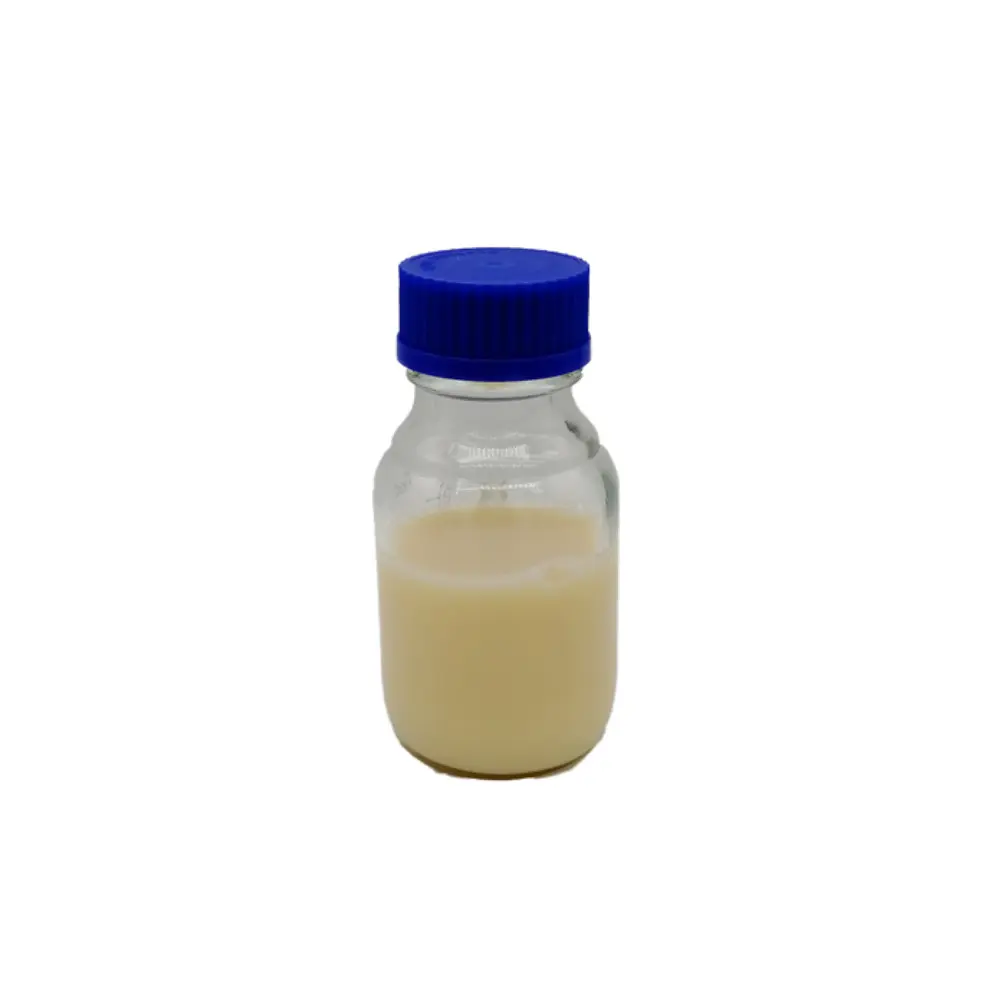
Description
Methoxy Polyethylene Glycol (mPEG)
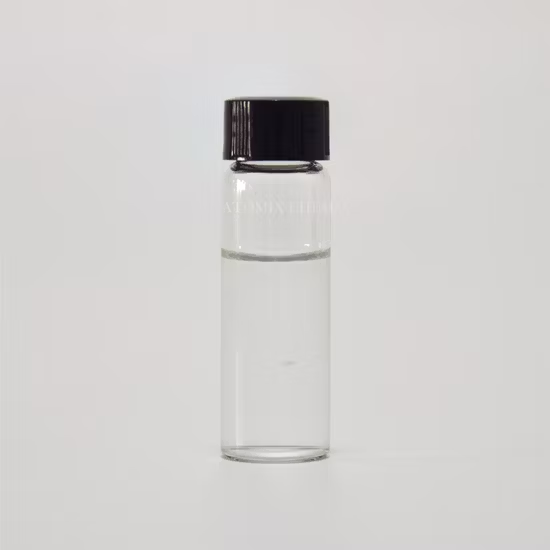
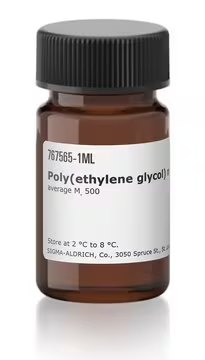
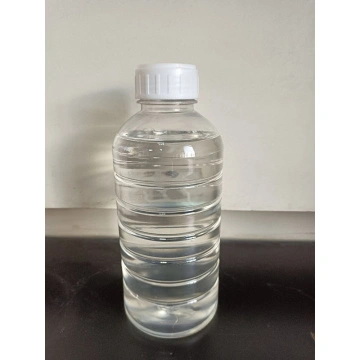
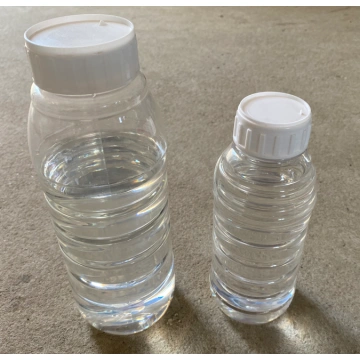
Polyethylene glycol methyl ether is a methoxy-terminated polyethylene glycol. It is commonly referred to as methoxy polyethylene glycol (mPEG) or PEG methyl ether. The typical structure is a polyethylene glycol chain with a methoxy group on one end and a hydroxyl group on the other:
CH3O-(CH2CH2O)n-H
- Synonyms: methoxy-PEG, MPEG, PEG methyl ether, PEG-OMe
- Common ending group: one end is methoxy (–OCH3), the other end is hydroxyl (–OH)
Structure and Terminology
- Chemical formula (generic): CH3O-(CH2CH2O)n-H
- End groups: Methoxy on one end, hydroxyl on the other
- Molecular weight (MW): Varies with the length of the ethylene oxide (EO) repeat units; commonly available in a wide range of MWs from a few hundred to several thousand Daltons
Typical Grades and Molecular Weights
- MW range (examples): 200 to 20,000 Da and higher, with common library grades like MPEG-200, MPEG-550, MPEG-750, MPEG-2000, MPEG-5000, MPEG-10000
- Designation: “mPEG” followed by the approximate MW (e.g., mPEG-2000)
Common Uses
- Pharmaceuticals and bioconjugates:
- PEGylation reagents to improve solubility, stability, and in vivo half-life of proteins, peptides, and small molecules
- Used as a macromolecular carrier or spacer in drug delivery
- Cosmetics and personal care:
- Humectant, solvent, surfactant, and thickening agent
- Polymer and materials science:
- Chain transfer agents or macromonomers in polymer synthesis
- Surface-modification reagents to alter hydrophilicity of materials
- Analytical chemistry:
- Solvent or stabilizer in certain assays and formulations
Physical and Safety Considerations
- Solubility: Generally highly water-soluble due to the ethylene oxide units
- Toxicity: Typically low toxicity and biocompatible for many grades; always refer to the specific SDS for the grade you are using
- Handling: Standard chemical safety practices apply; avoid inhalation of fine powders and keep away from strong oxidizers as with many organic ethers
- Biocompatibility: Widely used in biomedical applications, but verify compatibility for your specific use case
How to Choose a Grade
- Determine the needed MW: Higher MWs give larger hydrophilic chains, which can influence solubility and steric properties
- End-group requirements: Ensure the end-group is methoxy at one end and hydroxyl at the other (typical mPEG)
- Functional derivatives: If you need to couple PEG to a molecule, consider derivatives such as mPEG-NHS or mPEG-amine, which are prepared from the same base polymer but have reactive end groups
- Application constraints: Consider viscosity, solubility in your solvent system, and any regulatory or purity requirements
Quick Reference
| Characteristic | Details |
|---|---|
| End groups | Methoxy at one end, hydroxyl at the other |
| Typical uses | PEGylation, solubilization, surfactant, polymer synthesis, cosmetic ingredients |
| Common MW range | 200–20,000 Da (examples: MPEG-200, MPEG-2000, MPEG-5000) |
| Solubility | Water-soluble, highly hydrated in aqueous media |
| Safety | Generally low toxicity; follow specific SDS for grade |
If you need more help
- Tell me your intended application (drug formulation, protein modification, cosmetic formulation, polymer synthesis, etc.)
- I can suggest suitable MW ranges, specific commercial grades, and safety data sheet (SDS) references
- If you want procurement or supplier guidance, I can help compile typical product specs and search criteria
Key takeaway: Methoxy polyethylene glycol is a versatile, water-soluble, methoxy-terminated PEG used across pharma, cosmetics, and materials science to improve solubility, stability, and biocompatibility. If you share your exact use case, I can tailor recommendations for MW, grade, and derivatives.


Reviews
There are no reviews yet.