
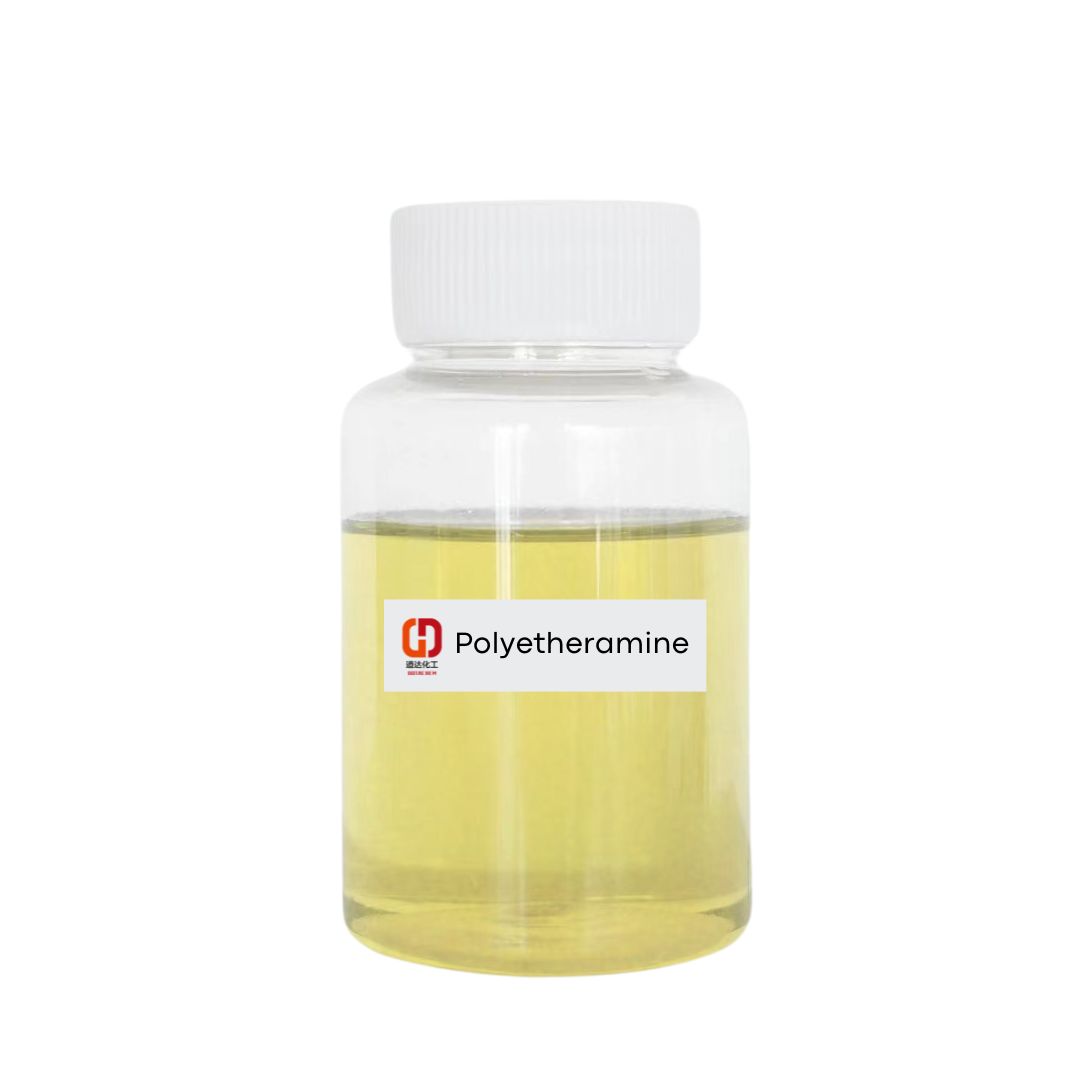
Description
Polyetheramine: The Versatile Backbone of High-Performance Materials
In the vast landscape of chemical compounds, some quietly play starring roles, acting as the indispensable building blocks for the materials that shape our modern world. Polyetheramine is one such unsung hero – a specialized class of polymers that combines the unique properties of a polyether backbone with the reactive functionality of amine groups. This dual nature makes polyetheramines crucial components in a wide array of high-performance applications, from durable coatings to advanced composites.
What is Polyetheramine?
At its core, the name “Polyetheramine” reveals its chemical structure:
- Polyether: Refers to the main chain of the molecule, which is composed of repeating ether linkages (R-O-R’). This segment typically provides flexibility, low glass transition temperatures (Tg), and often contributes to good chemical resistance. The most common polyether backbones are based on polyethylene glycol (PEG), polypropylene glycol (PPG), or polytetramethylene glycol (PTMG).
- Amine: Refers to the reactive functional groups (-NH2, -NHR) typically located at the ends of the polyether chain. These primary or secondary amine groups are highly reactive, especially with epoxies and isocyanates, making polyetheramines excellent curing agents or co-reactants.
Polyetheramines vary significantly in molecular weight, linearity, and the number of amine groups (functionality – mono-, di-, or tri-functional). This versatility allows manufacturers to tailor the properties of the final material precisely. A well-known brand of polyetheramines is the Jeffamine® series, a product of Huntsman Corporation, which has become synonymous with this class of chemicals.
Key Properties and Advantages
The unique combination of a flexible polyether chain and reactive amine end-groups imbues polyetheramines with a set of highly desirable properties:
- Flexibility and Toughness: The polyether backbone contributes significantly to the flexibility and impact resistance of the cured material, reducing brittleness.
- Low Viscosity: Many polyetheramines are low-viscosity liquids, which improves processability, allows for higher filler loading, and reduces the need for volatile organic compounds (VOCs) as diluents.
- Excellent Adhesion: The amine groups promote strong adhesion to a variety of substrates, including metals, concrete, and plastics.
- Tunable Reactivity: By varying the molecular weight and functionality, the cure speed and pot life of formulations can be precisely controlled.
- Chemical Resistance: Materials cured with polyetheramines often exhibit good resistance to water, oils, and various chemicals.
- Good Color Stability: Especially in formulations designed for clear or light-colored applications.
- Low Temperature Curing: Some polyetheramines enable curing at lower temperatures, reducing energy consumption and allowing for use in temperature-sensitive applications.
Diverse Applications
Polyetheramines find their way into a broad spectrum of industries due to their ability to impart superior performance characteristics:
- Epoxy Curing Agents: This is perhaps their most significant application. They are used as hardeners for epoxy resins in:
- High-Performance Coatings: For floors (e.g., industrial, decorative), pipelines, marine applications, and protective linings.
- Adhesives: Providing strong, flexible, and durable bonds in construction, automotive, and general assembly.
- Composites: As matrix resins for fiberglass or carbon fiber reinforced polymers (FRP) in aerospace, wind energy, and sporting goods.
- Potting and Encapsulation: For sensitive electronic components, offering protection and thermal management.
- Polyurea and Polyurethane Formulations: Polyetheramines are key reactants in the synthesis of polyureas and certain polyurethane elastomers, providing fast-curing, high-strength, and durable materials used in:
- Protective Linings: For truck beds, secondary containment, and industrial equipment.
- Waterproofing Membranes: For roofs, decks, and foundations.
- Spray Foam Insulation: Offering excellent thermal properties.
- Fuel and Lubricant Additives: Smaller quantities are used as dispersants, corrosion inhibitors, or anti-wear agents.
- Other Niche Applications: Including gas sweetening (CO2 capture), textile additives, and specialty chemical synthesis.
The Future of Polyetheramine
As industries continue to demand more durable, environmentally friendly, and high-performance materials, the role of polyetheramines is expected to grow. Ongoing research focuses on developing bio-based polyetheramines, expanding their functionality, and optimizing their use in new and existing applications to meet evolving market needs and sustainability goals.
In conclusion, polyetheramines are far more than just a chemical intermediate; they are a critical enabler of advanced materials, offering a unique blend of flexibility, reactivity, and performance that is indispensable across numerous sectors. Their versatility and the tailored properties they impart make them an enduring and vital component in modern chemistry.



Reviews
There are no reviews yet.