
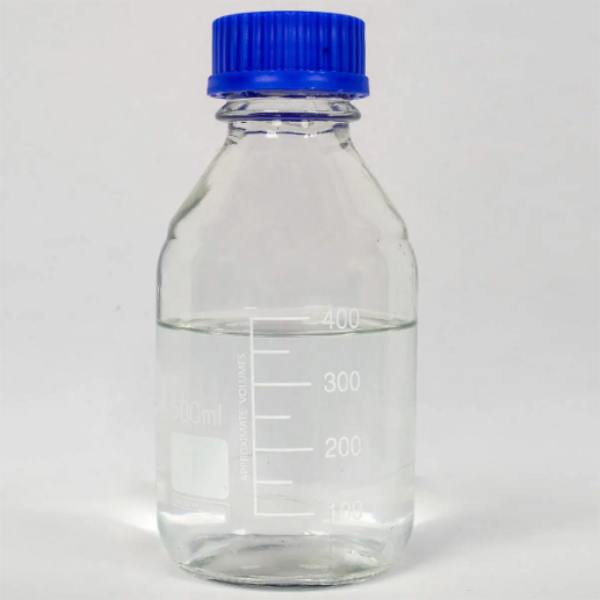
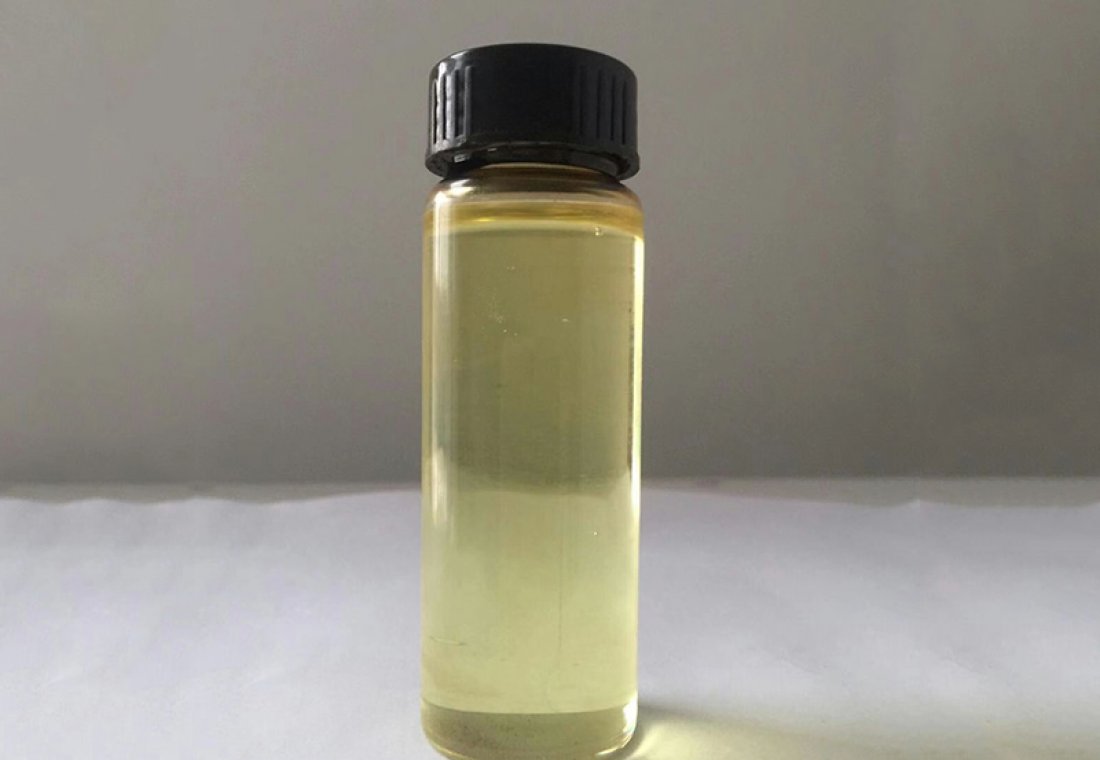
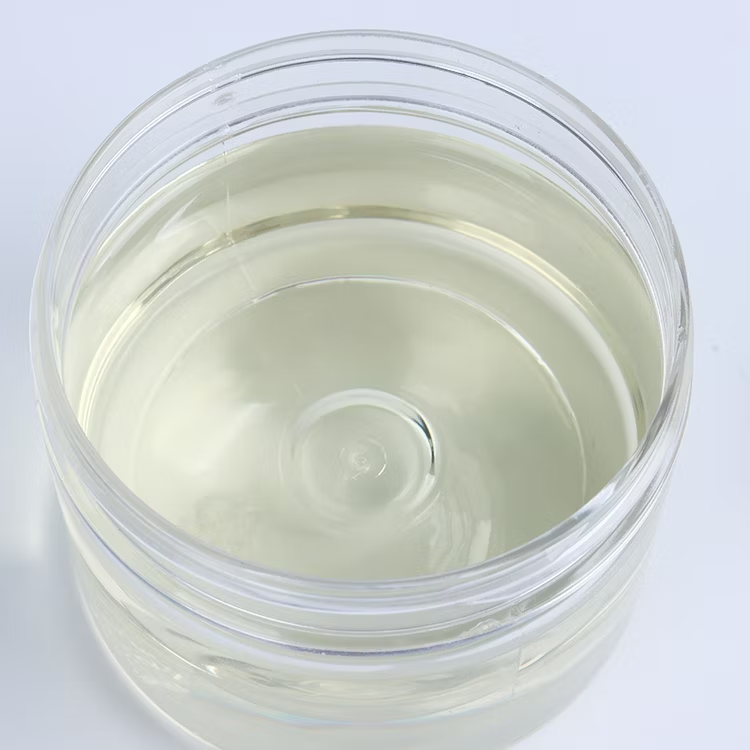
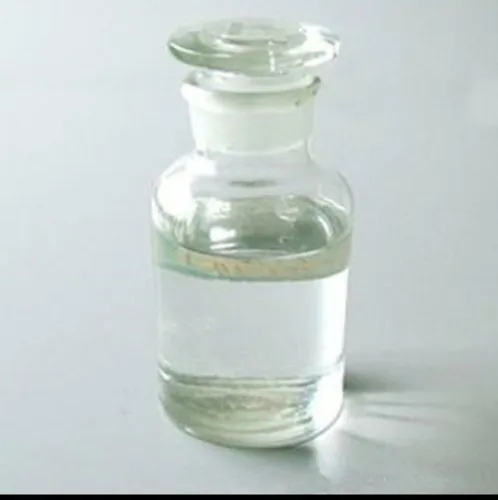
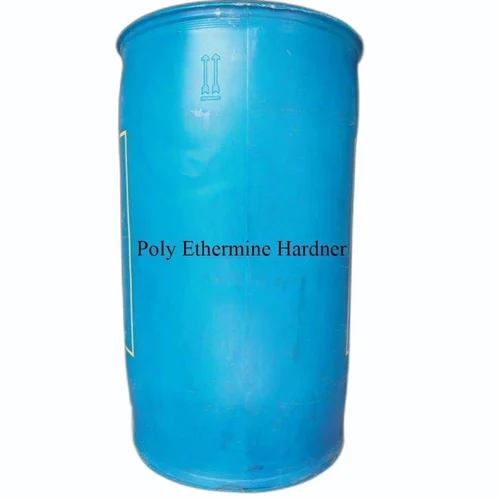
Description
What is Polyetheramine
Polyetheramines are a class of polymers that feature a polyether backbone with primary amine groups at the chain ends or along the chain. They are typically low to moderate molecular weight, highly reactive due to the primary amine functionality, and available in a range of functionalities (mono-, di-, tri- or higher-functional). They are widely used as reactive curing agents and additives in coatings, adhesives, sealants, and elastomer formulations.
Key properties
- Reactivity: Primary amines readily react with epoxy groups and isocyanates, enabling fast curing and strong crosslinked networks.
- Tunable viscosity and molecular weight: By adjusting the polyether backbone and the degree of amination, you can tailor viscosity and processing.
- Functionality options: Monoamine, diamine, and higher-functionality polyetheramines enable different crosslink densities.
- Compatibility: Generally good solubility with many epoxy resins and polyurethane systems; can modify surface properties and rheology.
- Handling considerations: Typically basic and can be irritants; proper PPE and ventilation are advised.
Common forms and categories
- Monoamine-terminated polyethers (MAPs): One primary amine end per molecule; used for surfactant roles, chain extension, or specific curing applications.
- Diamine-terminated polyethers (DAPs): Two primary amine ends per molecule; widely used as epoxy curing agents and crosslinkers.
- Higher-functionality polyetheramines: Three or more amine groups per molecule; used when very high crosslink density is required.
- The polyether backbone is usually based on ethylene oxide, propylene oxide, or combinations, giving a range of hydrophilicity, flexibility, and thermal properties.
Common uses
- Epoxy resin curing agents: Primary use; different amine equivalent weights and functionalities allow tailoring of cure speed, flexibility, and heat resistance.
- Polyurethane systems: Function as amine hardeners or chain extenders in some formulations.
- Coatings and adhesives: Improve adhesion, flexibility, impact resistance, and cure profiles.
- Surfactants and dispersants: Some polyetheramines act as nonionic surfactants or dispersants in formulations.
Practical formulation considerations
- Determine the epoxy equivalence and desired crosslink density
- Check the epoxy resin’s equivalent weight (glycidyl equivalent weight) and select a polyetheramine with a compatible amine value (mg KOH/g) and functionality to achieve the target cure.
- Choose functionality based on performance goals
- Monoamine vs diamine vs higher functionality will impact network stiffness, Tg, and flexibility.
- Consider viscosity and processing temperature
- Higher molecular weight or higher functionality often increases viscosity; plan for mixing equipment and pot life at processing temperature.
- Compatibility and odor
- Some polyetheramines can have noticeable odor and may affect color or clarity of the final product; compatibility testing is advisable.
Quick comparison
| Category | Typical structure | Main use in resins | Key consideration |
|---|---|---|---|
| Monoamine-terminated polyether | One NH2 end per molecule | Surfactants, chain extenders, specialized curing roles | Lower crosslink density possible |
| Diamine-terminated polyether | Two NH2 ends per molecule | Primary curing agents for epoxies | Higher crosslink density, faster cure possible |
| Higher-functionality polyetheramines | 3 or more NH2 groups | High crosslinking for tough, heat-resistant coatings | Higher viscosity; handling considerations |
Safety and handling
- Wear appropriate PPE: gloves, goggles, and protective clothing.
- Work in a well-ventilated area; avoid inhalation of vapors.
- Store away from oxidizers and moisture-sensitive environments as recommended by the supplier.
- Follow the manufacturer’s guidelines for disposal and spill response.
Quick tips for getting started
- Start with a resin-curing formulation using a diamine-terminated polyether for epoxy systems when aiming for balanced toughness and adhesion.
- If you need slower cure and more flexibility, consider a monoamine-terminated polyether or a lower functionality.
- Always perform a small pilot formulation to verify curing behavior, pot life, and final properties before scale-up.
Summary
Polyetheramines are versatile curing agents and additives with a polyether backbone and primary amine groups. By selecting the right functionality, molecular weight, and amine value, they enable tailored epoxy curing, improved adhesion, and customized mechanical properties across coatings, adhesives, and polyurethane systems. If you’d like, I can help you pick a specific type or guide you through a formulation example based on your resin and performance targets.



Reviews
There are no reviews yet.