
Description
Polyether sulfone (PES)
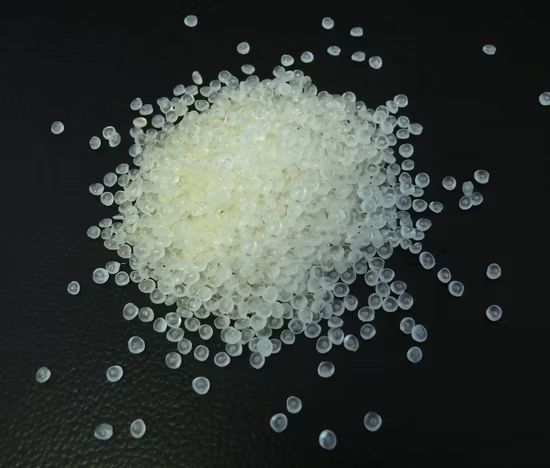
Polyether sulfone, commonly abbreviated PES, is a high temperature, amorphous engineering thermoplastic in the polyarylate family. It features sulfone groups in the backbone with aryl ether linkages, giving it a unique combination of heat resistance, toughness, and chemical stability. PES is widely used in filtration membranes and high-performance parts that require autoclavability and dimensional stability.
Key properties
- Thermal and dimensional stability
- Glass transition temperature (Tg) typically in the range of 190–230°C.
- Amorphous material with good heat resistance; does not have a sharp melting point.
- Can be processed in the melt at high temperatures and used at elevated temperatures in service.
- Mechanical properties
- Generally stiff and strong, with good toughness for a thermoplastic.
- Chemical resistance
- Excellent resistance to many solvents, acids, and bases.
- Generally robust in hydrolytic environments.
- Not equally resistant to all chlorinated solvents or very aggressive solvents; solvent compatibility depends on grade and processing.
- Processing and morphology
- Can be processed by extrusion, injection molding (with suitable equipment), or solvent casting.
- Commonly cast from polar aprotic solvents such as NMP, DMF, DMAc, or DMSO to form films or membranes.
- Membrane fabrication often uses phase separation techniques (e.g., solvent-induced phase separation).
- Applications
- Filtration membranes (microfiltration, ultrafiltration, nanofiltration) due to chemical resistance and thermal stability.
- Medical and sterilizable components (autoclave compatible).
- Aerospace, automotive, and electrical/electronic parts requiring high temperature performance.
- Processing window
- Melt processing temperatures typically in the 320–380°C range, depending on grade and equipment.
- Solvent casting is common for films and membranes.
Processing and forms
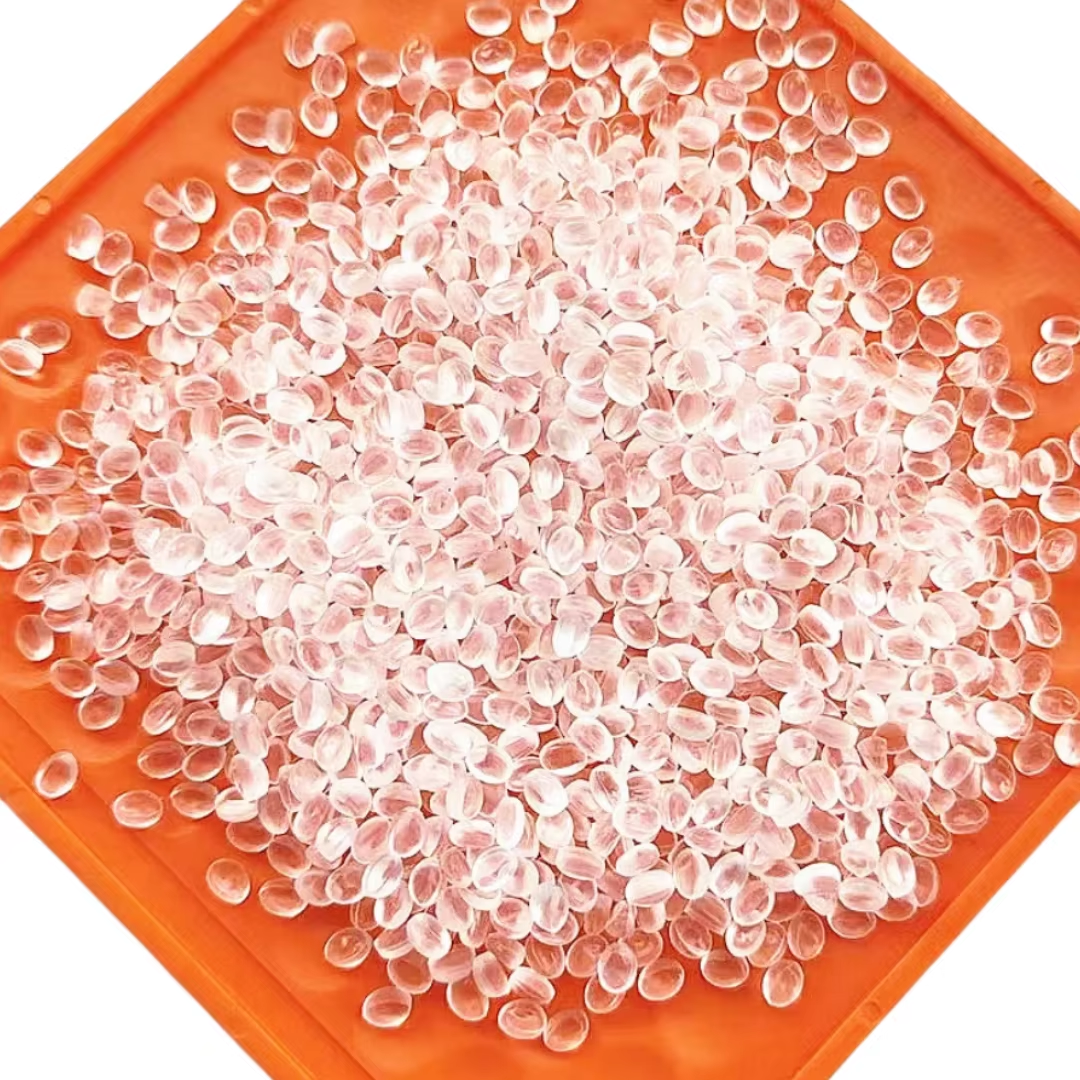
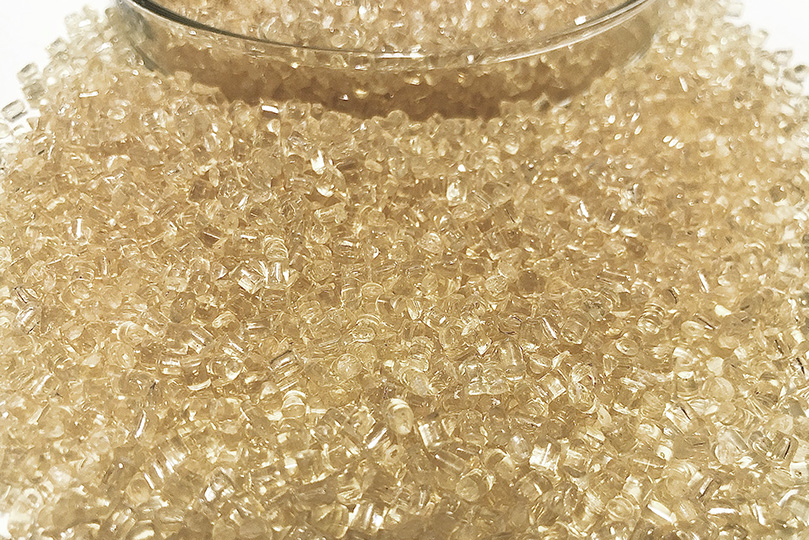
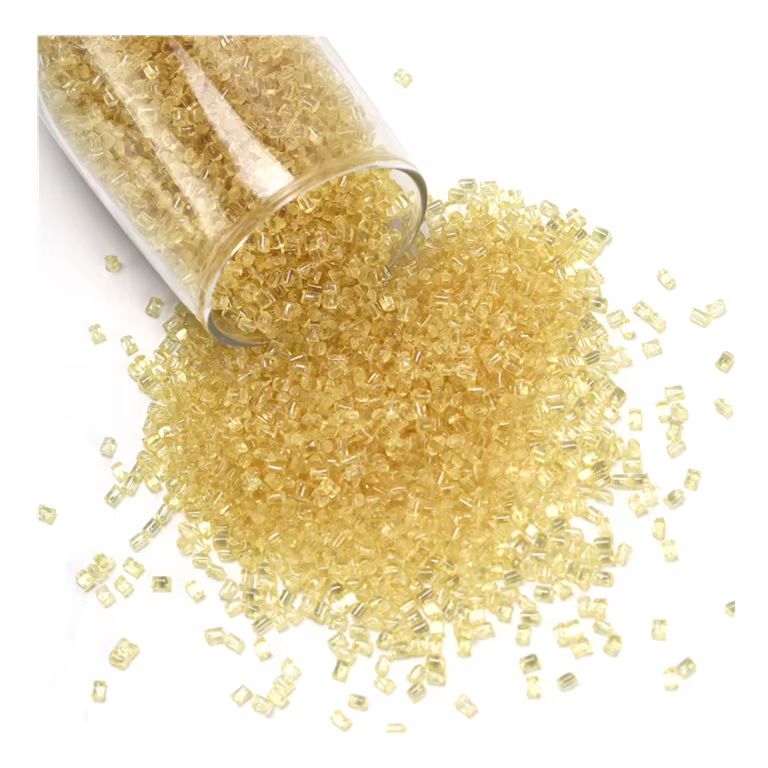
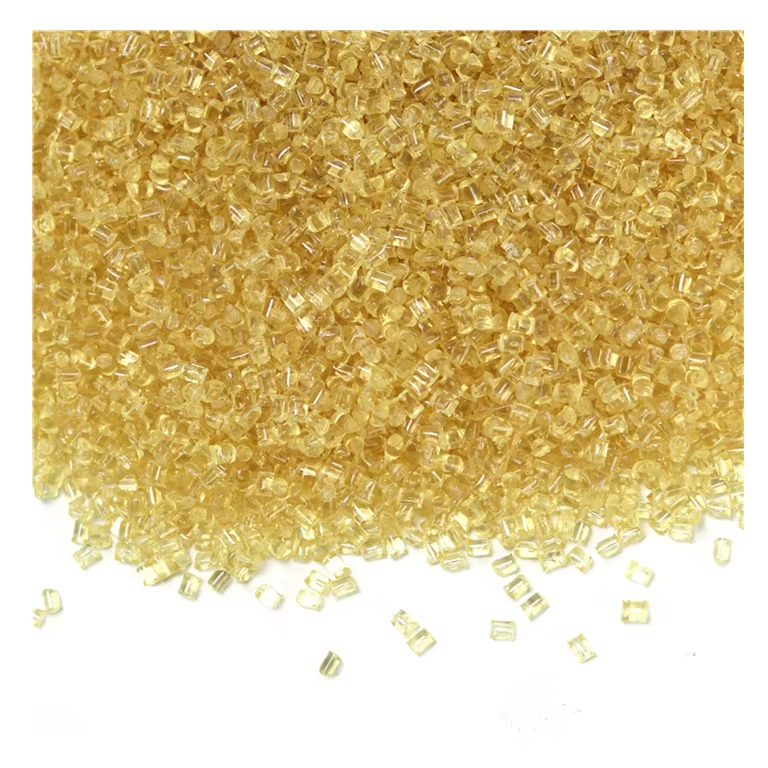
- Forms: pellets, films, membranes, tubes, molded parts.
- Processing methods:
- Melt processing: extrusion, injection molding (with suitable equipment and processing aids).
- Film/membrane fabrication: solution casting, phase inversion, or other membrane manufacturing techniques.
- Solvent compatibility: use polar aprotic solvents like NMP, DMF, DMAc, DMSO for casting.
- Autoclaving and sterilization: PES is commonly autoclave-stable, making it suitable for medical and packaging applications that require sterilization.
Comparison at a glance
- PES (polyether sulfone) vs PSU (polysulfone) vs PPSU (polyphenylsulfone):
- All are high-temp, amorphous thermostable polyarylate thermoplastics.
- PES generally offers excellent chemical resistance and higher Tg than many standard grades.
- PPSU and PSU can provide similar performance with trade-offs in toughness, processability, and solvent resistance depending on the grade.
- PES and PPSU are commonly used for membranes; PSU has long-standing use in sterilizable medical components.
| Property | PES | PSU | PPSU |
|---|---|---|---|
| Structure feature | Ether and sulfone linkages | Sulfone-rich backbone | Phenyl sulfone with additional bulky groups |
| Tg (typical) | 190–230°C | ~185–210°C | ~210–230°C |
| Processing ease | Good melt processability; castable | Easy to process; widely cast and melt-processed | Similar to PSU; often higher toughness |
| Applications | Membranes, autoclave components | Medical devices, filtration membranes | High-temperature components, demanding environments |
Safety and handling
- PES is typically handled as a standard polymer resin or pellet material. Follow usual polymer handling practices:
- Use appropriate PPE when handling powders or dust in processing facilities.
- Ensure adequate ventilation when solvent casting to avoid inhalation of solvent vapors.
- Store away from strong oxidizers and follow supplier guidelines for storage and disposal.
Notes and considerations
- The term PES covers a family of materials; properties can vary with grade, additives, and processing history. Always consult the specific datasheet from the supplier for exact Tg, processing temperatures, solvent compatibility, and mechanical properties.
- If you have a particular application (e.g., a type of membrane, autoclave cycle, or a solvent exposure scenario), I can tailor the property ranges and recommended processing guidelines to that use case.
Quick takeaway
- PES is a high-temperature, chemically resistant, amorphous thermoplastic ideal for filtration membranes, sterilizable components, and other demanding applications where heat resistance and dimensional stability are important. Its main advantages are excellent chemical resistance and autoclavability, with processing typically focused on high-temperature melt processing or solvent casting to form films and membranes.
If you share your specific application, grade, or processing method, I can provide more precise data and guidance.


Reviews
There are no reviews yet.