
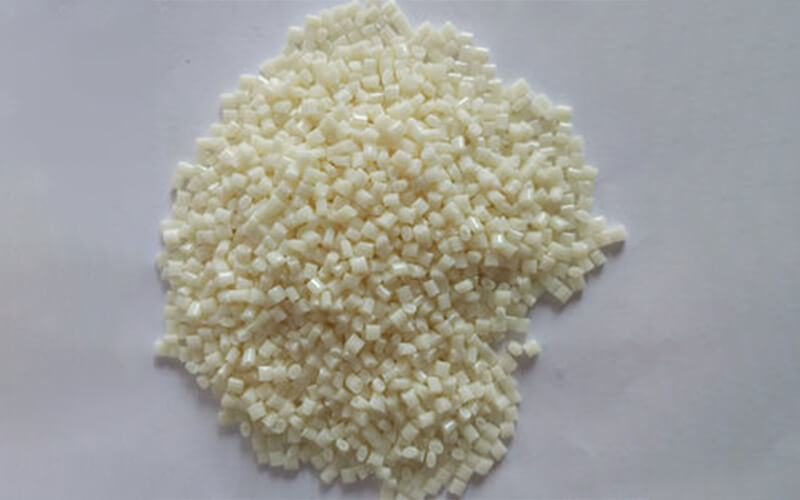
Description
Title: Polyether Sulfone (PES): A Versatile High-Performance Engineering Plastic
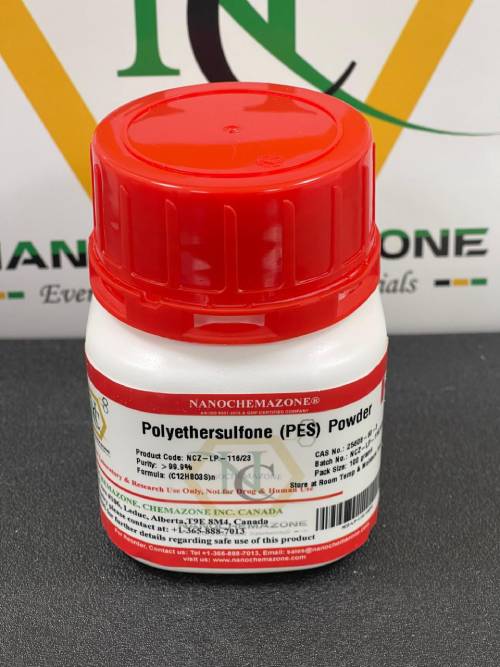
Polyether sulfone (PES) is a high-performance engineering thermoplastic that has gained significant attention in various industries due to its exceptional mechanical, thermal, and chemical properties. This versatile material has been used in a wide range of applications, from aerospace and automotive to medical devices and electronics. In this article, we will explore the properties, applications, and benefits of polyether sulfone.
Properties of Polyether Sulfone (PES)
- High mechanical strength: PES exhibits excellent mechanical strength and rigidity, making it suitable for structural applications that require high load-bearing capacity.
- High thermal stability: Polyether sulfone has a high glass transition temperature (Tg) of around 225°C, allowing it to maintain its mechanical properties at elevated temperatures. This makes PES an ideal choice for applications where thermal stability is crucial.
- Good chemical resistance: PES demonstrates excellent resistance to a wide range of chemicals, including acids, alkalis, and organic solvents. This property makes it suitable for use in harsh chemical environments.
- Low moisture absorption: PES has a low moisture absorption rate, which ensures dimensional stability and prevents the degradation of mechanical properties when exposed to humid environments.
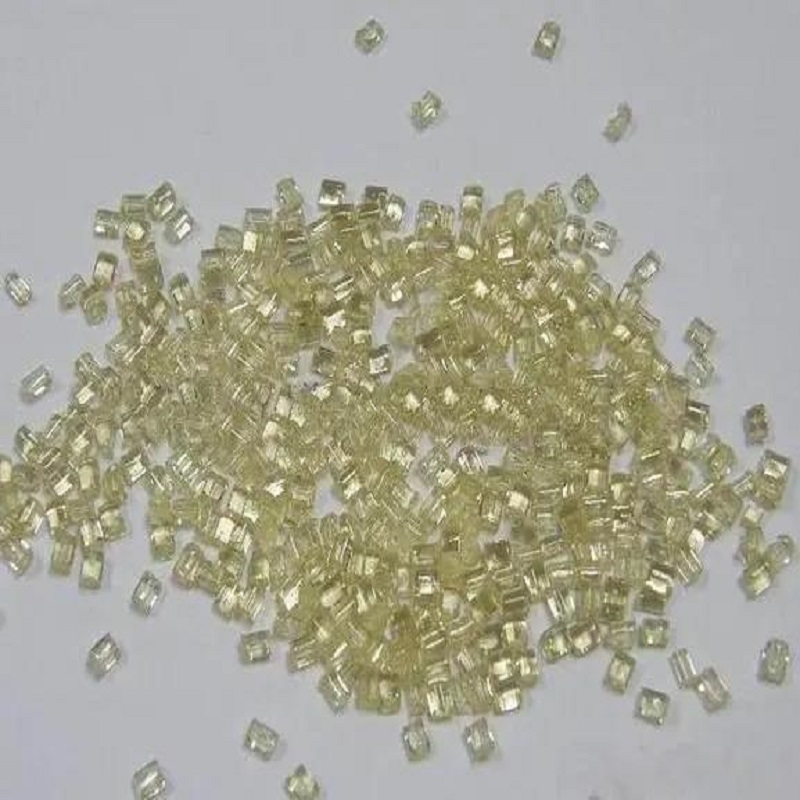
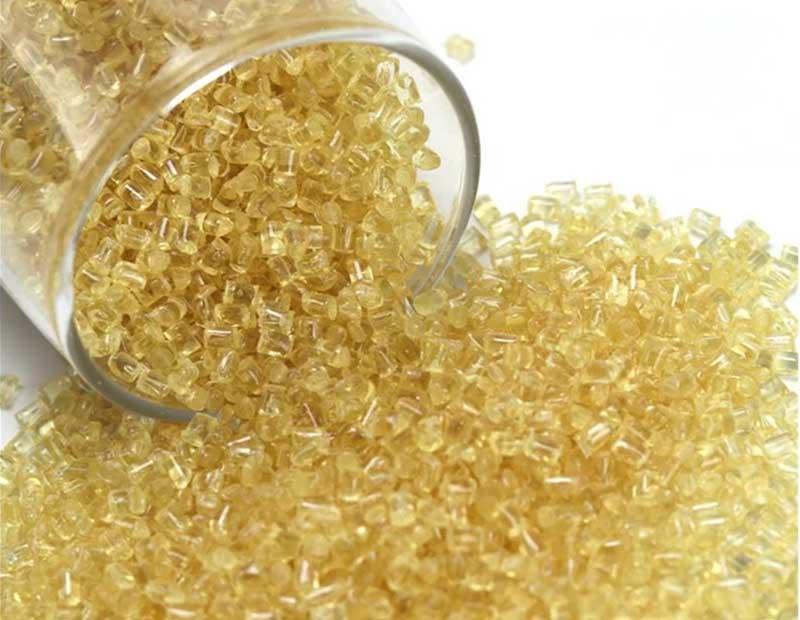
- Transparency: Polyether sulfone is naturally transparent, allowing for the fabrication of clear components and devices.
- Flame retardancy: PES exhibits good flame retardancy properties, making it suitable for applications where fire resistance is a critical requirement.
Applications of Polyether Sulfone (PES)
- Aerospace and Automotive: The high mechanical strength, thermal stability, and chemical resistance of PES make it an ideal material for aerospace and automotive components, such as fuel system components, air ducts, and electrical connectors.
- Medical Devices: PES is widely used in the medical industry due to its biocompatibility, sterilization resistance, and excellent mechanical properties. It is commonly used in the manufacturing of medical devices, such as surgical instruments, drug delivery systems, and implantable devices.
- Electronics: The transparency and flame retardancy of PES make it suitable for use in electronic applications, such as connectors, switches, and housings for electronic components.
- Food and Beverage Industry: PES is used in the food and beverage industry for the production of components that come into contact with food, such as pumps, valves, and heat exchangers, due to its excellent chemical resistance and low leaching properties.
- Chemical Processing: The high chemical resistance of PES makes it an ideal material for components used in chemical processing applications, such as pumps, valves, and heat exchangers.
Benefits of Polyether Sulfone (PES)
- High performance: PES offers excellent mechanical, thermal, and chemical properties, making it a high-performance material suitable for a wide range of demanding applications.
- Versatility: The versatile nature of PES allows it to be used in various industries, including aerospace, automotive, medical, electronics, and chemical processing.
- Design flexibility: PES can be easily processed using various techniques, such as injection molding, extrusion, and thermoforming, providing designers with flexibility in creating complex shapes and components.
- Sustainability: PES is a recyclable material, contributing to the overall sustainability of the manufacturing process and reducing waste.
In conclusion, polyether sulfone is a versatile high-performance engineering plastic with exceptional mechanical, thermal, and chemical properties. Its wide range of applications in various industries, coupled with its recyclability and sustainability, make it an attractive material for designers and engineers seeking high-quality, durable components for demanding applications.


Reviews
There are no reviews yet.