
Description
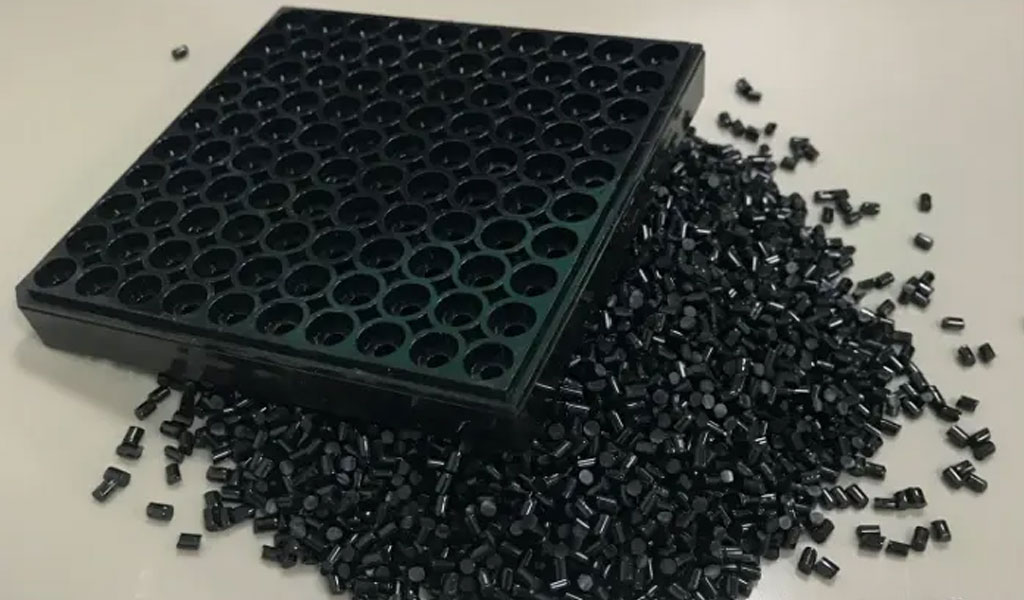
When engineers talk about “the black gold of polymers,” they’re almost always referring to Polyether‑ether‑ketone (PEEK). This high‑performance thermoplastic has been quietly reshaping industries that demand the perfect blend of mechanical strength, chemical resistance, and temperature endurance. In this post we’ll dive deep into what makes PEEK a specialty resin, explore its most compelling attributes, look at the sectors that are betting big on it, and discuss where the material is headed next.
TL;DR: PEEK is a semi‑crystalline, aromatic thermoplastic that can repeatedly survive 250 °C (480 °F) in harsh environments while maintaining tensile strengths comparable to some metals. Its niche – aerospace, medical, oil & gas, and emerging 3‑D‑printed components – makes it one of the most valuable “specialty” polymers on the market today.
1. What Exactly Is PEEK?
| Property | Typical Value (unfilled PEEK) | Why It Matters |
|---|---|---|
| Glass transition (Tg) | 143 °C (289 °F) | Marks the start of rubbery behavior; important for dimensional stability. |
| Melting point (Tm) | 343 °C (649 °F) | Enables processing at very high temperatures without degradation. |
| Tensile strength | 90–100 MPa (13–15 ksi) | Comparable to many engineering metals. |
| Young’s modulus | 3.6 GPa (520 ksi) | Stiff yet not brittle – essential for load‑bearing parts. |
| Continuous service temperature | Up to 250 °C (480 °F) | Allows use where metals would normally dominate. |
| Specific heat | 1.0 J·g⁻¹·K⁻¹ | Low thermal expansion, preserving tolerances. |
| Chemical resistance | Excellent to acids, bases, hydrocarbons, and solvents | Ideal for aggressive environments. |
PEEK belongs to the polyaryletherketone (PAEK) family, distinguished by its aromatic rings linked through ether and ketone bonds. This backbone delivers an incredibly stable, high‑energy molecular structure that resists chain scission even at elevated temperatures.
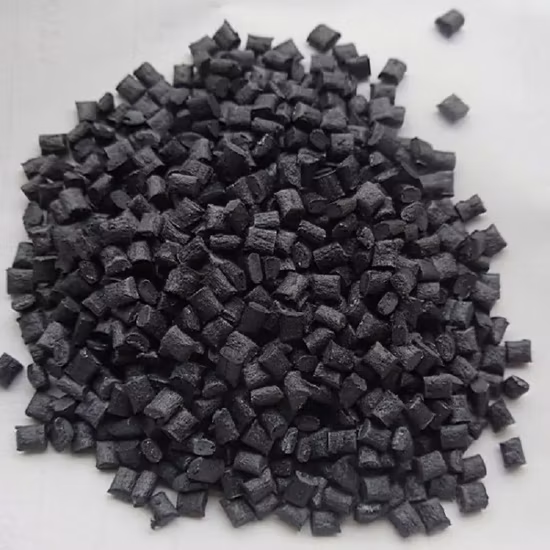
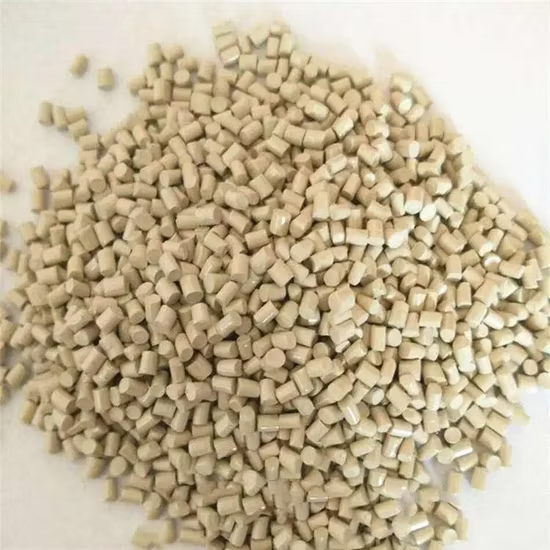
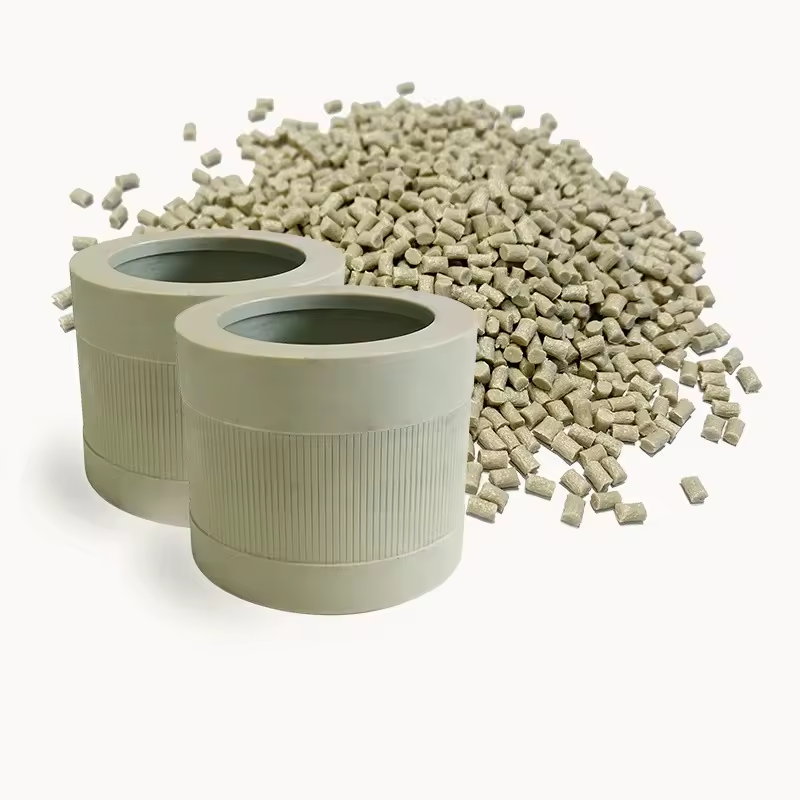
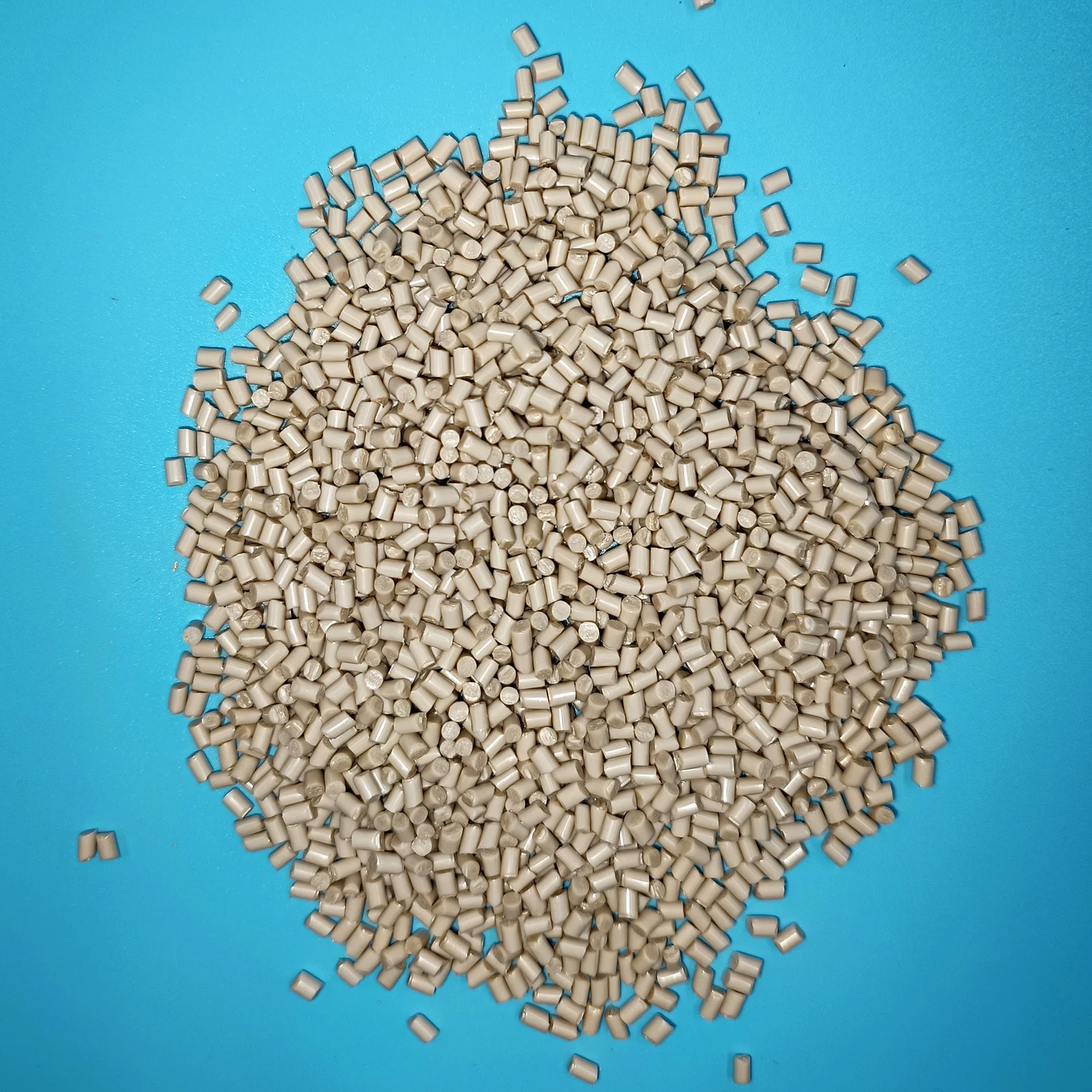
Quick fact: Unfilled PEEK is a translucent amber‑brown resin; by adding carbon or glass fibers, its color darkens and its mechanical properties skyrocket.
2. Key Advantages that Earn PEEK Its “Specialty” Label
| Advantage | Real‑World Impact |
|---|---|
| Thermal endurance – retains >90 % of its strength at 200 °C. | Jet‑engine components, downhole oil‑field tools. |
| Low creep – <0.1 % strain after 100 h at 200 °C. | Precision bearings, medical implants that must stay dimensionally stable. |
| Biocompatibility (ISO 10993‑1) | Spinal cages, dental abutments, reusable surgical instruments. |
| Radiation resistance – up to 10 MGy without embrittlement. | Sterilizable components for radiotherapy equipment. |
| Flame retardancy (UL 94 V‑0) | Aircraft interiors, high‑voltage cable insulations. |
| Recyclability – can be re‑extruded, re‑machined, or re‑printed. | Circular‑economy initiatives in aerospace and automotive. |
Because of these traits, PEEK isn’t just an “alternative” polymer; it’s often the only polymer that can meet demanding specifications without resorting to metal or ceramic alternatives.
3. Core Industries Harnessing PEEK
| Industry | Typical Applications | Why PEEK Wins |
|---|---|---|
| Aerospace & Defense | Structural brackets, cabin interiors, radar housings, high‑temperature bearings. | Weight reduction (up to 50 % vs. aluminum) and excellent fire‑performance. |
| Medical & Dental | Spinal fusion cages, hip/knee implants, orthodontic brackets, surgical tools. | ISO‑approved biocompatibility, sterilization via autoclave, gamma, or ETO. |
| Oil & Gas | Downhole seals, pump shafts, valve seats, tubing connectors. | Resistance to aggressive hydrocarbons, high‑temp service, and pressure. |
| Automotive (especially EVs) | Battery casings, high‑voltage connectors, pump housings. | Light weight, electrical insulation, and over‑temperature safety. |
| Electronics | Connectors, circuit board substrates, heat‑sink plates. | Low dielectric loss, stability under soldering temperatures. |
| Additive Manufacturing | 3‑D‑printed aerospace brackets, custom medical implants, functional prototyping. | PEEK filament can be melt‑extruded at 360 °C, delivering near‑isotropic parts. |
Case‑in‑point: In 2024, a major commercial aircraft manufacturer announced that its next‑generation wing‑tip fairings would be 30 % lighter thanks to a carbon‑fiber‑reinforced PEEK (CF‑PEEK) composite, reducing fuel burn by an estimated 2 % per flight.
4. How Is PEEK Processed?
| Process | Typical Conditions | Design Tips |
|---|---|---|
| Injection molding | Melt temp 360–380 °C; mold temp 150–180 °C | Use high‑pressure molds (≥1 500 bar) to achieve full packing; avoid sharp corners – PEEK’s high viscosity needs gradual flow. |
| Extrusion (rods, films) | 350–380 °C; die temp 150–200 °C | For semi‑crystalline films, control cooling rate to manage crystallinity (affects stiffness & heat deflection). |
| Compression molding | 350 °C, 5–10 MPa, 5–10 min hold | Ideal for thick, fiber‑reinforced laminates; apply vacuum to eliminate voids. |
| Thermoforming | Heat to 300 °C, then form | Use thin‑walled sheets; rapid cooling can induce internal stresses. |
| Additive Manufacturing (FDM/FFF) | Nozzle 380–410 °C; bed 120–150 °C; enclosed heated chamber | Keep chamber >150 °C to reduce warpage; post‑print annealing at 200 °C for 2 h improves crystallinity. |
Processing challenges include the need for high-temperature equipment and tight control of moisture (PEEK is hygroscopic; water can cause hydrolytic degradation and surface defects). Most manufacturers pre‑dry the pellets at 120 °C for 4 h before melt processing.
5. Filled vs. Unfilled PEEK – Choosing the Right Variant
| Variant | Typical Fillers | Property Boost | Typical Use‑Case |
|---|---|---|---|
| Unfilled PEEK | — | Baseline thermal & chemical resistance, good impact resistance | Seals, medical devices, low‑load mechanical parts |
| Carbon‑Fiber‑Reinforced (CF‑PEEK) | 30–50 wt % continuous or chopped carbon fibers | Tensile strength ↑ 2‑3×; modulus ↑ 5‑7×; thermal conductivity ↑ | Structural aerospace brackets, high‑load medical implants |
| Glass‑Fiber‑Reinforced (GF‑PEEK) | 20‑30 wt % E‑glass fibers | Stiffness ↑ 2‑3×; cost lower than CF | Automotive under‑hood components, pump housings |
| PEEK‑EPT (electrically conductive) | Conductive carbon black or nanofillers | Volume resistivity ↓ to 10⁻⁴ Ω·cm | EMI shielding, sensor housings |
| PEEK‑PEI blends | Polyether‑imide (PEI) | Enhanced toughness, lower melt viscosity | Complex injection‑molded geometries |
When selecting a grade, consider design temperature, load path, weight budget, and cost constraints. For most “high‑performance” applications, a 30 % continuous carbon fiber‑reinforced PEEK strikes the best balance between strength and machinability.
6. Sustainability Angle – Is PEEK “Green”?
- Recyclability – Unlike most thermosets, PEEK can be re‑extruded and re‑machined without significant loss of properties. Certified recycling loops exist in aerospace (e.g., “PEEK‑Reclaim” programs).
- Long Service Life – A part that lasts 20 years reduces the need for replacement, shrinking its life‑cycle carbon footprint.
- Energy‑Intensive Production – The high polymerization temperature (≈ 350 °C) and the use of high‑purity monomers still make virgin PEEK energy‑hungry.
- Bio‑Derived Alternatives? – Research into bio‑based PAEK monomers (e.g., from lignin-derived phenols) is underway, but commercial availability is still 5‑10 years away.
Bottom line: PEEK isn’t “green” in the same sense as biodegradable polymers, but its durability and recyclability can make it a sustainable choice in high‑performance sectors where metal substitution is not feasible.
7. Future Trends – What’s on the Horizon for PEEK?
| Trend | What It Means for Designers |
|---|---|
| High‑Throughput Additive Manufacturing – Multi‑laser SLS/SLM platforms capable of printing 10 kg/h of PEEK. | Near‑net‑shape metal‑grade parts at a fraction of the tooling cost. |
| Hybrid Composites – Embedding metallic or ceramic nanowires within PEEK matrix. | Tailored thermal conductivity for heat‑spreaders in EV power electronics. |
| Self‑Healing PEEK – Incorporating micro‑capsules filled with epoxy precursors that activate under crack‑induced heat. | Increased safety margins for medical implants and aerospace fasteners. |
| In‑situ Reinforcement – Continuous fiber winding directly into the melt during extrusion. | “Zero‑waste” laminates with optimum fiber orientation, cutting the need for separate lay‑up steps. |
| Digital Twin‑Enabled Process Control – Real‑time monitoring of melt temperature, pressure, and crystallinity using AI‑driven sensors. | Consistent part quality across batches, minimizing scrap. |
These innovations are already being piloted in research labs and a few forward‑looking OEMs. Expect to see PEEK‑based 3‑D printed functional parts move from “prototype” to “production” within the next three years.
8. Quick Checklist – Is PEEK Right for Your Next Project?
| ✅ Yes, If… | ❌ No, If… |
|---|---|
| You need continuous service above 200 °C | Temperature never exceeds 100 °C |
| The component must resist aggressive chemicals (e.g., acids, solvents) | You’re working in a benign environment (water, air) |
| Weight savings are critical (≥ 15 % vs. metal) | Cost is the primary driver and budget is tight |
| Regulatory compliance (ISO 10993, UL 94 V‑0) is required | The part will be disposable after a single use |
| You have high‑temperature processing equipment (injection molding, extrusion) | Your shop only offers low‑temperature plastics (e.g., ABS, PA) |
If the answer leans toward yes on more than half the items, you’re probably looking at a PEEK solution.
9. Bottom Line
Polyether‑ether‑ketone isn’t just another engineering plastic; it’s a strategic material platform that bridges the gap between traditional metals and conventional polymers. Its unrivaled thermal stability, mechanical performance, and biocompatibility enable designers to push the boundaries of weight, reliability, and longevity.
Whether you’re an aerospace engineer shaving kilograms off a wing‑tip bracket, a medical device designer seeking a sterilizable implant, or an additive‑manufacturing enthusiast printing high‑temp functional parts, PEEK offers a specialty resin that can solve problems no other polymer can—provided you’re ready to invest in the right processing technology and design expertise.

Reviews
There are no reviews yet.