

Description
Polycarbonate Resin: The Unsung Hero Behind Our Strongest, Clearest Innovations
Look around you. Chances are, you’re interacting with polycarbonate resin in more ways than you realize. From the lenses in your eyeglasses to the headlights on your car, the CDs and DVDs you once played, and even the robust casing of your smartphone, this remarkable material is a silent workhorse, blending strength, clarity, and versatility into countless everyday objects.
But what exactly is polycarbonate, and what makes it so indispensable? Let’s dive into the fascinating world of this high-performance plastic.
What is Polycarbonate (PC)? A Quick Science Bite
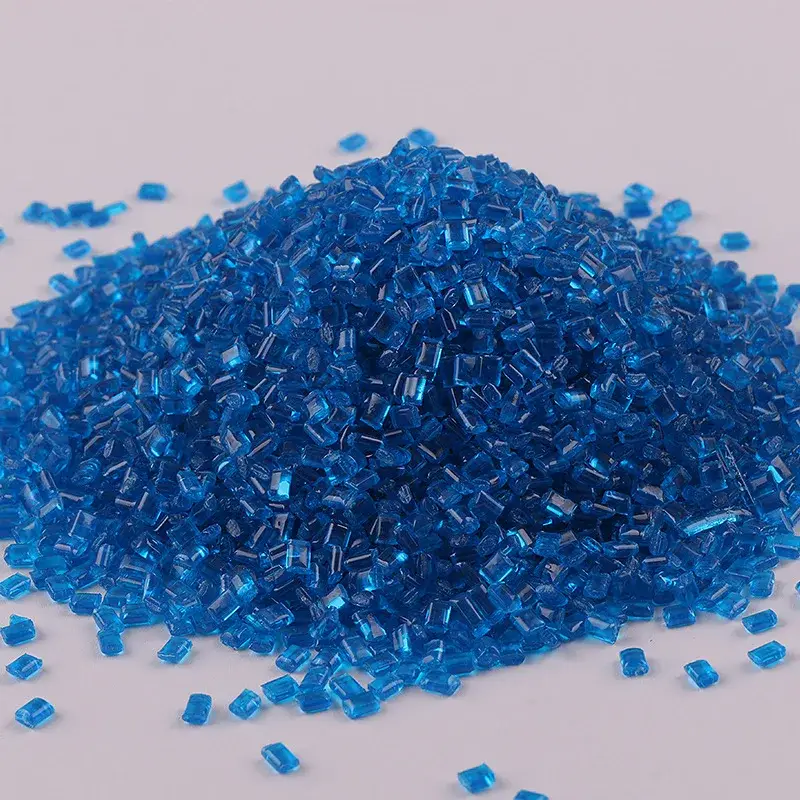
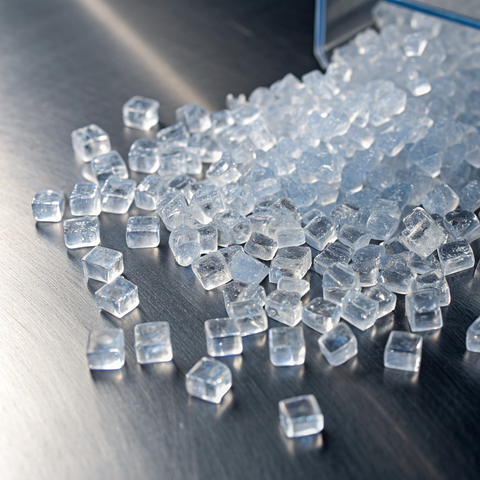
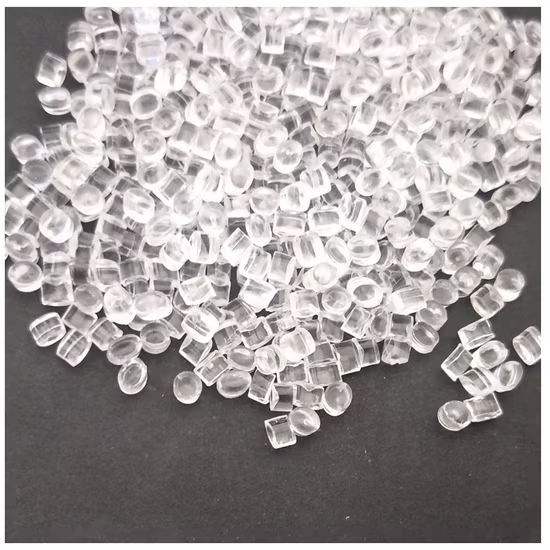
At its core, polycarbonate (PC) is a thermoplastic polymer. This means it can be heated to its melting point, molded, and then cooled into a solid form, a process that can be repeated without significant degradation. Unlike some plastics that are opaque, key characteristics of polycarbonate include its amorphous structure, which allows for its exceptional clarity, and its incredibly strong molecular bonds.
Think of it as a super-tough, transparent plastic from the polyester family, engineered for demanding applications.
The Superpowers of Polycarbonate
Polycarbonate isn’t just another plastic; it possesses a unique combination of properties that make it stand out:
- Unrivaled Strength and Impact Resistance: This is PC’s most famous superpower. It’s virtually unbreakable, often described as having “glass-like transparency with metal-like strength.” This extreme toughness makes it the material of choice for bulletproof glass (or rather, “bullet-resistant glazing”), safety helmets, and industrial safety shields.
- Crystal Clear Clarity: Despite its strength, polycarbonate boasts excellent optical clarity, rivaling traditional glass. This makes it perfect for applications where visibility is paramount, like eyewear lenses, skylights, and even some medical devices.
- Excellent Heat Resistance: Polycarbonate can withstand high temperatures without deforming, making it suitable for environments where other plastics would melt or degrade. It can even be sterilized using steam, a crucial feature for medical and food-contact applications (with some caveats, as we’ll discuss).
- Lightweight: Significantly lighter than glass, polycarbonate reduces the overall weight of products, contributing to energy efficiency in vehicles and making everyday items more comfortable to use (like your glasses!).
- Good Dimensional Stability: It holds its shape well, even under stress or varying temperatures, which is critical for precision parts.
Where Do You Find This Marvel Material?
Polycarbonate’s unique properties translate into an incredibly diverse range of applications:
- Eyewear: The lightweight, impact-resistant lenses in your glasses or safety goggles are very likely polycarbonate.
- Automotive: Car headlights, taillight lenses, and various interior components benefit from its clarity and durability.
- Electronics: Smartphone cases, computer housings, CD/DVD/Blu-ray discs (remember those?), and even some electrical connectors utilize PC.
- Construction & Architecture: Greenhouses, skylights, transparent roofing panels, and protective barriers often use polycarbonate sheets due to their strength and light transmission.
- Medical Devices: Sterilizable components, surgical instrument housings, and specific types of drug delivery systems rely on PC’s properties.
- Consumer Goods: Luggage, water bottles (though less common now due to BPA concerns, which we’ll get to), kitchen appliance parts, and even some food storage containers.
- Safety & Security: Safety helmets, face shields, machine guards, and transparent security barriers.
Addressing the Elephant in the Room: BPA
No discussion of polycarbonate is complete without mentioning Bisphenol A (BPA). BPA is a chemical primarily used to make polycarbonate plastic and epoxy resins. For years, polycarbonate water bottles and baby bottles were commonplace.
However, concerns emerged about BPA potentially leaching from these products, especially when heated or scratched, and acting as an endocrine disruptor. While regulatory bodies like the FDA have continually reviewed the science and maintain that current exposure levels are safe, the public outcry led to significant shifts:
- Many manufacturers voluntarily moved away from using BPA in products intended for direct food and beverage contact, especially baby bottles and sippy cups.
- The term “BPA-free” became a prominent marketing label for many plastics, even those that never contained BPA in the first first place.
- Alternative plastics and BPA-free polycarbonates (using different monomers) have been developed for food and beverage applications.
It’s important to remember that for the vast majority of polycarbonate applications (like car headlights, phone cases, or safety glasses) where there’s no direct contact with food or beverages, the concerns about BPA leaching are largely irrelevant. Polycarbonate remains a safe and essential material for countless industrial and consumer goods.
The Future of Polycarbonate
As technology advances, so does the development of plastics. Researchers are continually working on:
- Sustainable Polycarbonates: Exploring bio-based or recycled feedstocks to reduce environmental impact.
- Enhanced Performance: Developing new grades with improved scratch resistance, UV stability, and even self-healing properties.
- Specialized Applications: Creating tailored polycarbonates for cutting-edge technologies like advanced optics, electric vehicle components, and next-generation medical devices.
Conclusion
Polycarbonate resin is a true marvel of material science, consistently delivering strength, clarity, and heat resistance that few other plastics can match. While public awareness rightly brought attention to the use of BPA in certain applications, the material itself remains an incredibly valuable and safe component in countless innovations that make our world safer, clearer, and more efficient.
So, the next time you put on your glasses, hop in your car, or admire the robust design of a modern device, take a moment to appreciate the unsung hero working tirelessly behind the scenes: polycarbonate resin.


Reviews
There are no reviews yet.