
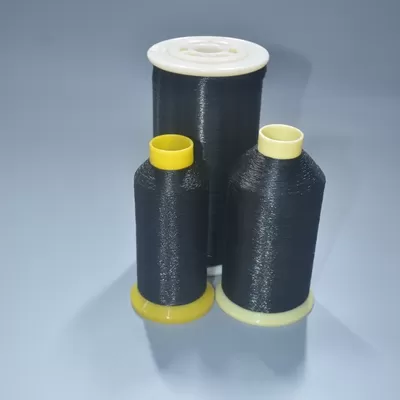
Description
Polybutylene Terephthalate (PBT): A Versatile Thermoplastic Engineered for Performance
Polybutylene terephthalate (PBT) is a semi-crystalline thermoplastic polymer belonging to the polyester family. Often lauded for its excellent balance of properties, PBT has become a vital material in a wide range of applications, from automotive components to electrical connectors and consumer goods. Its robust nature, combined with its processability, makes it a popular choice for engineers and manufacturers.
Understanding PBT’s Key Characteristics:
PBT derives its unique properties from its chemical structure, which consists of repeating units of butylene terephthalate. This structure contributes to a number of key characteristics, including:
- High Strength and Rigidity: PBT exhibits good tensile strength, flexural strength, and stiffness, enabling it to withstand significant loads and maintain its shape under stress.
- Excellent Chemical Resistance: PBT demonstrates resistance to a broad spectrum of chemicals, including fuels, oils, greases, and many solvents. This makes it suitable for use in harsh environments.
- Good Electrical Insulation Properties: PBT’s inherent insulating properties make it ideal for electrical components, connectors, and insulators, preventing short circuits and ensuring safe operation.
- Low Water Absorption: Compared to other plastics, PBT absorbs relatively little water, preserving its dimensional stability and mechanical properties even in humid conditions.
- Good Dimensional Stability: The low water absorption and strong structure contribute to excellent dimensional stability, minimizing warping or deformation over time and temperature fluctuations.
- Good Heat Resistance: PBT boasts a relatively high heat deflection temperature (HDT), allowing it to withstand elevated temperatures without losing its structural integrity.
- Processability: PBT can be processed through various methods, including injection molding, extrusion, and blow molding, offering flexibility in manufacturing different parts.
- Recyclability: PBT is recyclable, contributing to a more sustainable lifecycle for the material.
Applications Across Industries:
The combination of these properties has propelled PBT into a diverse array of applications across various industries:
- Automotive: PBT is frequently used in automotive applications such as connectors, housings, fuel system components, and body parts due to its resistance to chemicals and heat.
- Electrical and Electronics: Its excellent electrical insulation and resistance to arcing make PBT a preferred material for connectors, switches, circuit breakers, and coil bobbins.
- Consumer Goods: PBT finds its way into many consumer products, including housings for power tools, handles for appliances, and components for furniture.
- Medical Devices: Certain grades of PBT are biocompatible and can be sterilized, making them suitable for specific medical applications.
- Industrial Applications: PBT is used in industrial settings for components like pump housings, gears, and bearings, where its chemical resistance and mechanical strength are crucial.
Modifications and Blends for Enhanced Performance:
PBT can be further enhanced by modifying its composition or blending it with other polymers. Common modifications include:
- Glass Fiber Reinforcement: Adding glass fibers significantly increases PBT’s strength, rigidity, and heat resistance, making it suitable for more demanding applications.
- Flame Retardant Additives: Incorporating flame retardant additives improves its fire resistance, crucial for safety-critical applications.
- Impact Modifiers: These additives enhance PBT’s impact resistance, making it less brittle and more durable.
- Blends with other Polymers: Blending PBT with other polymers, such as PET or elastomers, can tailor its properties to specific requirements.
The Future of PBT:
As industries continue to demand high-performance materials that offer both functionality and sustainability, PBT is poised to remain a relevant and versatile thermoplastic. Ongoing research aims to further improve its properties, explore new applications, and enhance its recyclability, ensuring its continued contribution across a wide range of industries.
In conclusion, Polybutylene Terephthalate is more than just another plastic. Its carefully engineered properties and versatile nature make it a critical component in countless products we use every day, contributing to improved performance, safety, and durability. As technology advances and sustainability becomes paramount, PBT will continue to evolve and play a vital role in shaping the future of materials science.



Reviews
There are no reviews yet.