

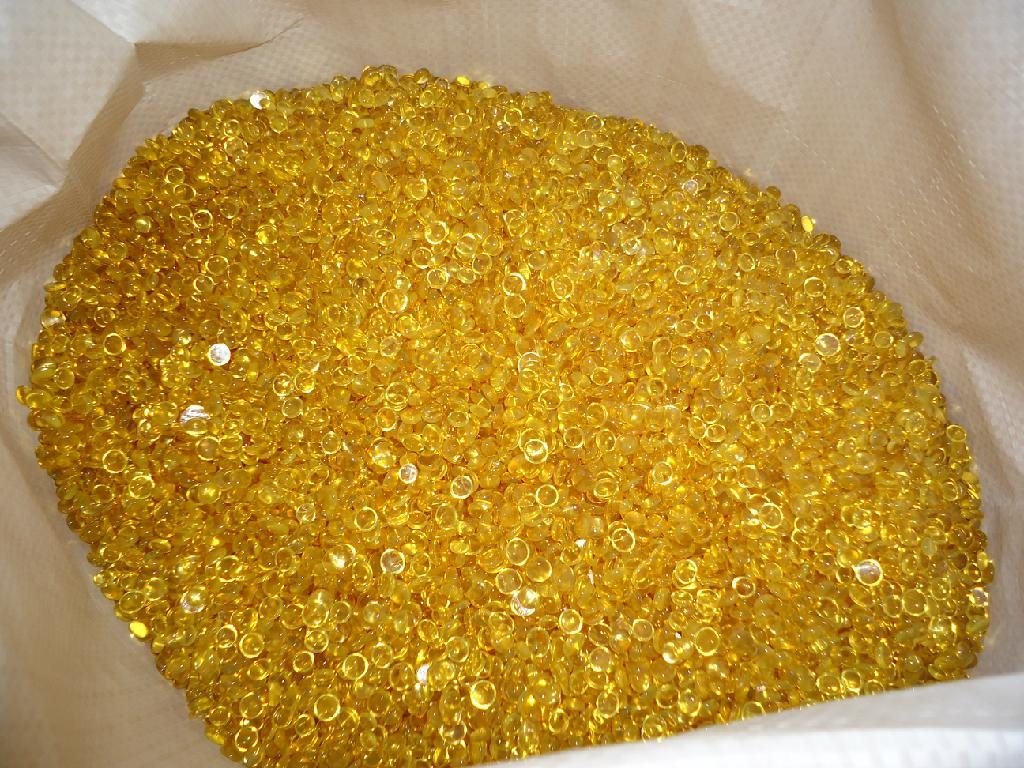
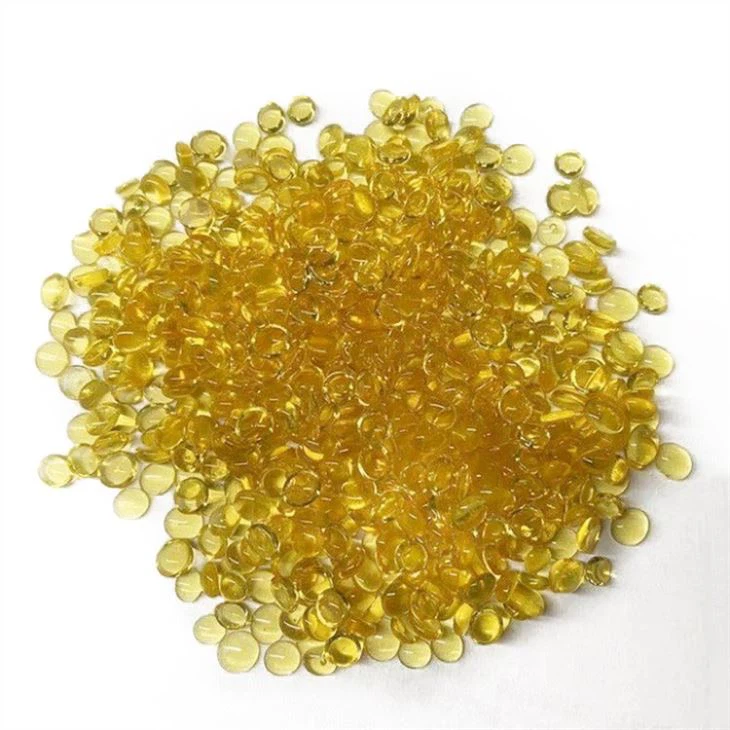
Description
Polyamide Resin: The Versatile Backbone of Modern Materials
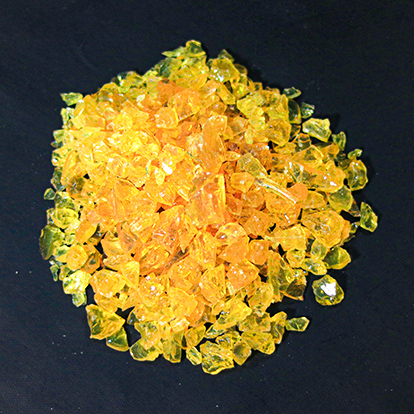
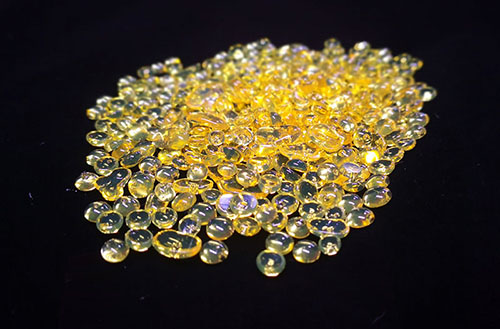
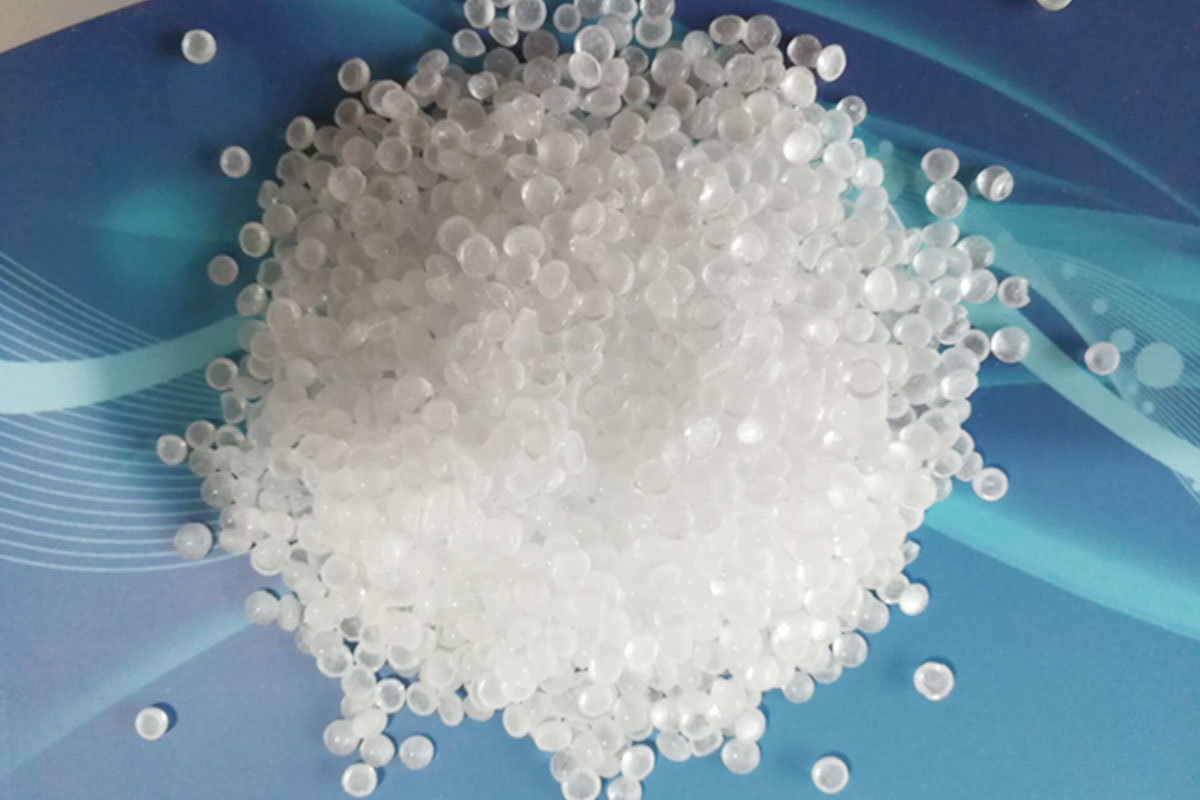
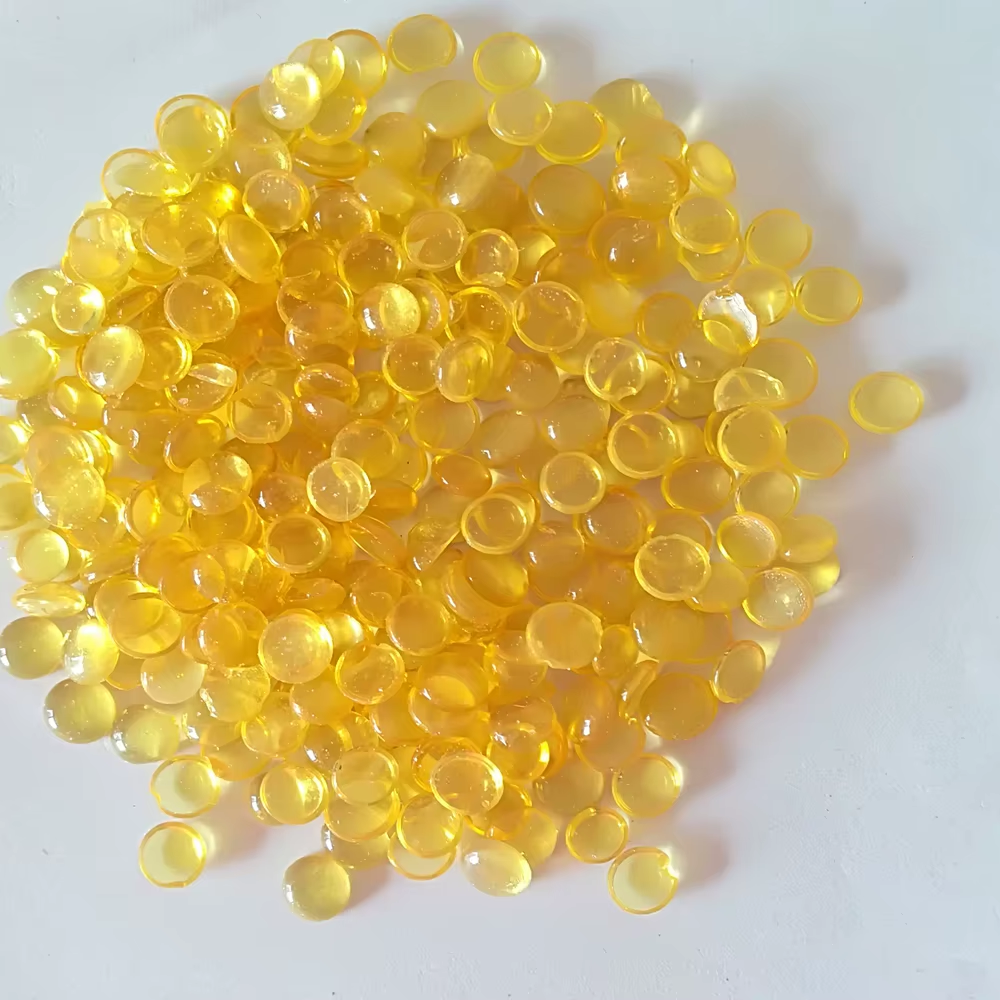
In the vast landscape of synthetic polymers, polyamide resin stands out as a material of incredible versatility, strength, and durability. More commonly known by its trade name, Nylon, this class of engineering plastics has revolutionized countless industries, from textiles and automotive to electronics and consumer goods. Its unique combination of properties makes it indispensable in applications demanding high performance and reliability.
What is Polyamide Resin?
At its core, polyamide is a synthetic polymer characterized by the presence of amide linkages (-CO-NH-) repeating along the polymer chain. These linkages are formed through a condensation polymerization reaction, typically between diamines and dicarboxylic acids (like in Nylon 6,6), or through the ring-opening polymerization of lactams (like in Nylon 6).
The term “Nylon” was coined by DuPont in the 1930s, and it was the first commercially successful synthetic thermoplastic polymer. Since then, various types of polyamides have been developed, each offering slightly different properties tailored to specific applications.
Common Polyamide Variants:
- Nylon 6 (PA6): Known for its good mechanical properties, high toughness, and excellent surface finish. It’s widely used in automotive parts, packaging films, and fibers.
- Nylon 6,6 (PA66): Offers higher melting point, better stiffness, and superior resistance to abrasion compared to PA6. It’s a workhorse in high-temperature automotive applications, electrical components, and industrial parts.
- Nylon 4,6 (PA46): Provides even higher heat resistance and stiffness than PA66, making it suitable for demanding engine components and high-speed moving parts.
- Nylon 11 (PA11) & Nylon 12 (PA12): These are long-chain polyamides known for lower moisture absorption, higher flexibility, and excellent chemical resistance, making them ideal for fuel lines, pneumatic tubing, and powder coatings.
- Aromatic Polyamides (Aramids): While sharing the amide linkage, materials like Kevlar® and Nomex® are distinct for their rigid, highly oriented aromatic structures, leading to exceptional strength-to-weight ratio and heat resistance (used in bulletproof vests, fire-resistant clothing).
Key Properties that Define Polyamides:
Polyamide resins are prized for a compelling set of characteristics:
- High Strength & Stiffness: Excellent tensile strength, allowing them to withstand significant pulling forces.
- Exceptional Toughness & Impact Resistance: They can absorb considerable energy without fracturing, making them durable even in demanding conditions.
- Excellent Abrasion Resistance: Resists wear and tear from friction, prolonging component life.
- Good Fatigue Resistance: Can withstand repeated stress cycles without breaking.
- High Temperature Resistance: Maintain mechanical integrity at elevated temperatures, with specific grades offering very high melting points.
- Good Chemical Resistance: Resistant to many oils, greases, solvents, and fuels.
- Low Coefficient of Friction: Often used in parts where self-lubrication is desired (e.g., gears, bearings).
- Good Electrical Insulation Properties: Suitable for various electrical and electronic applications.
- Processability: Can be easily molded, extruded, and processed into complex shapes.
Diverse Applications Across Industries:
The versatility of polyamide resin translates into its ubiquitous presence across numerous sectors:
- Automotive & Transportation: Engine covers, intake manifolds, cooling fans, connectors, fuel system components, airbag containers, and exterior body parts, benefiting from its lightweight nature, strength, and heat resistance.
- Electrical & Electronics: Connectors, switches, cable ties, circuit breaker housings, coil bobbins, and insulation materials due to their electrical insulating properties and dimensional stability.
- Consumer Goods & Sports Equipment: Power tool housings, appliance components, zippers, fishing lines, ski bindings, and bicycle components, where durability, light weight, and aesthetic appeal are crucial.
- Textiles & Fibers: The classic application of Nylon, found in clothing (hosiery, sportswear), carpets, ropes, fishing nets, seatbelts, and industrial fabrics, valued for its strength, elasticity, and comfort.
- Industrial & Mechanical: Gears, bearings, rollers, conveyor belts, machine housings, pipelines, and industrial filters, leveraging its wear resistance and mechanical strength.
- Packaging: Films for food packaging, offering good barrier properties and strength.
Advantages: Why Choose Polyamide?
The widespread adoption of polyamide resin is driven by its many benefits:
- Performance-to-Cost Ratio: Offers high performance characteristics at a comparatively reasonable cost.
- Lightweight: Contributes to fuel efficiency in automotive and aerospace applications.
- Design Freedom: Readily molds into complex and intricate shapes, enabling innovative product designs.
- Recyclability: Many polyamide types are recyclable, contributing to circular economy initiatives.
- Compounding Potential: Can be easily compounded with additives (glass fibers, carbon fibers, impact modifiers, UV stabilizers) to enhance specific properties further.
Considerations & Limitations:
While highly advantageous, polyamides also have some considerations:
- Moisture Absorption: Polyamides, especially PA6 and PA66, can absorb moisture from the environment. This can lead to dimensional changes (swelling) and a slight reduction in mechanical properties (especially stiffness and strength) and electrical insulation. However, it also increases toughness and impact resistance.
- UV Degradation: Without proper UV stabilizers, polyamides can degrade when exposed to prolonged sunlight, leading to discoloration and loss of mechanical properties.
- Chemical Attack: While resistant to many chemicals, strong acids, bases, and oxidizing agents can degrade polyamide.
The Future of Polyamide Resins:
The evolution of polyamide resins continues, with a focus on:
- Bio-based Polyamides: Development of polyamides derived from renewable resources, reducing reliance on fossil fuels.
- Enhanced Performance: Creation of new grades with even higher temperature resistance, improved moisture resistance, and superior mechanical properties.
- Recycling and Sustainability: Innovations in chemical and mechanical recycling methods to close the loop and reduce environmental impact.
- Lightweight Composites: Integration into advanced composite materials for applications in electric vehicles, aerospace, and renewable energy.
Conclusion:
Polyamide resin remains a cornerstone of modern engineering and manufacturing. Its remarkable balance of strength, toughness, thermal stability, and design flexibility ensures its continued relevance and growth. As industries strive for lighter, more durable, and sustainable solutions, polyamide will undoubtedly continue to evolve, solidifying its position as a truly indispensable material for the future.


Reviews
There are no reviews yet.