

Description
Polyacrylic Acid: A Versatile Polymer Shaping Industries
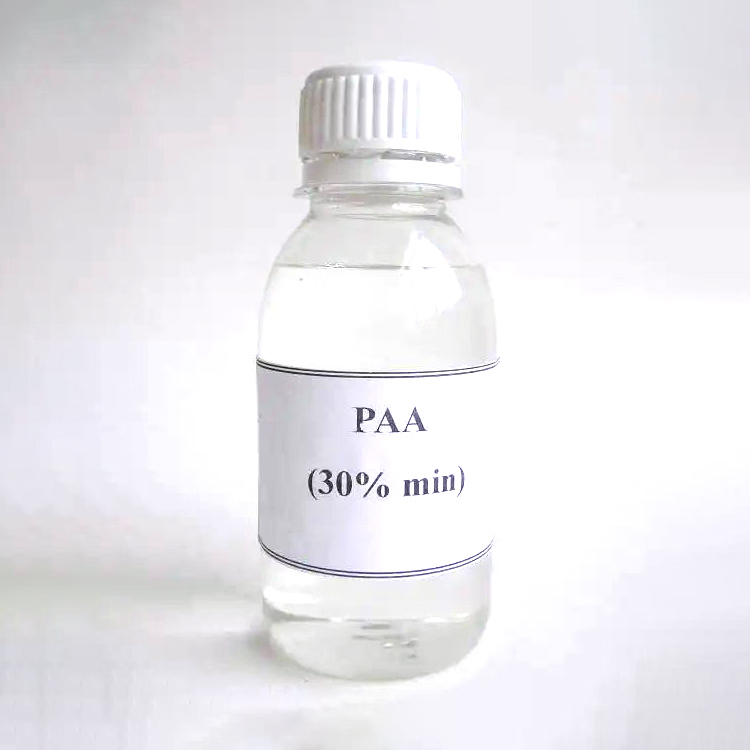
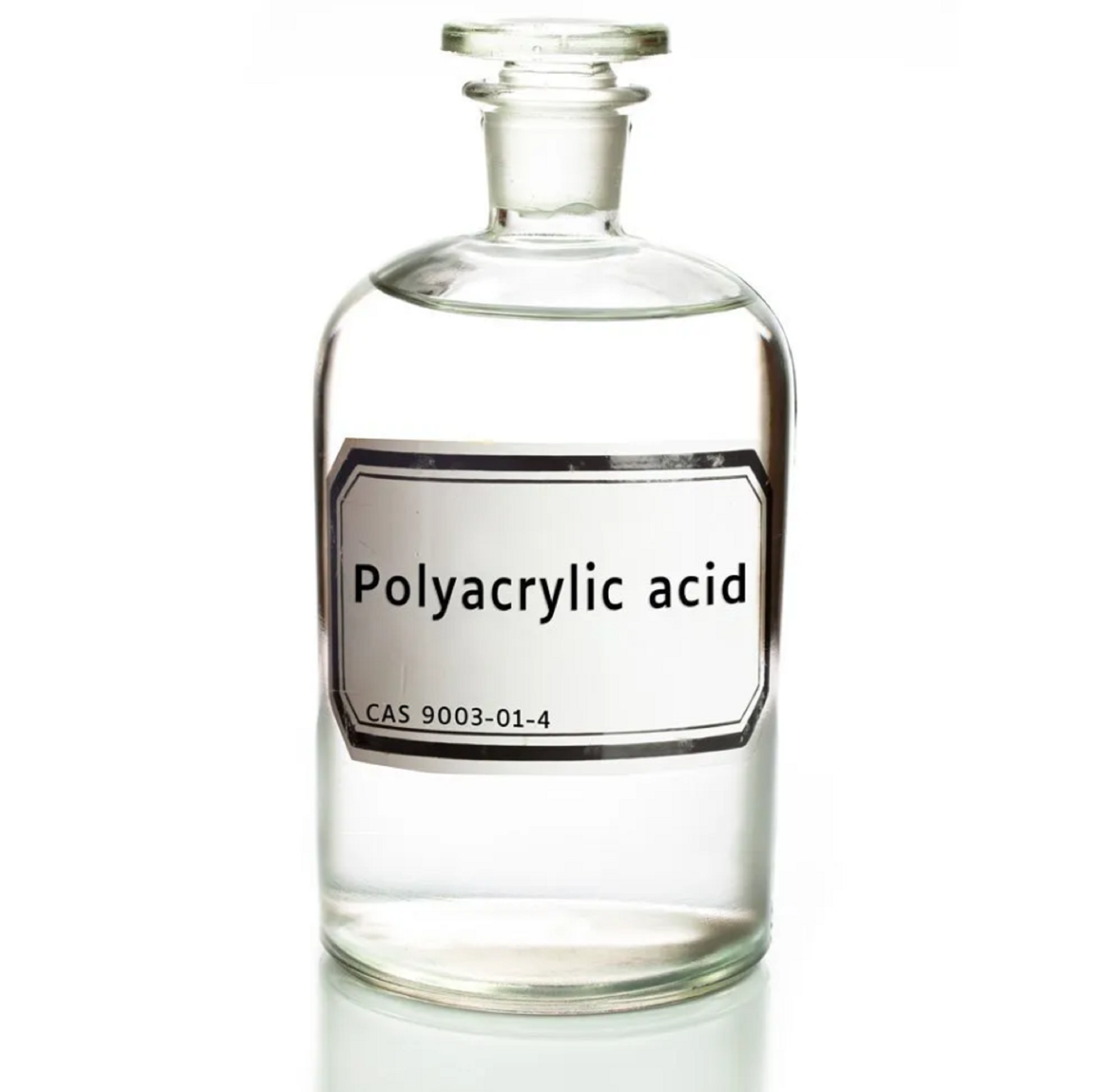
Polyacrylic acid (PAA), also known as carbomer, is a synthetic high-molecular-weight polymer known for its ability to absorb and retain significant amounts of water. This remarkable characteristic, coupled with its other beneficial properties, has made PAA a versatile workhorse across a wide range of industries, from personal care and pharmaceuticals to agriculture and construction.
What is Polyacrylic Acid?
Technically, PAA is a polymer of acrylic acid. It’s usually found in a powdered form and exists as a cross-linked polymer, meaning that the individual chains of polyacrylic acid are connected to each other, creating a three-dimensional network. This cross-linking is crucial for its water-absorbing properties. When introduced to water, the polymer network expands, trapping the water molecules within its structure and forming a gel.
Key Properties That Make PAA So Useful:
- High Water Absorbency: This is arguably PAA’s most defining characteristic. It can absorb hundreds, even thousands, of times its weight in water, making it invaluable in applications requiring moisture retention or fluid absorption.
- Thickening and Stabilizing Agent: PAA can significantly increase the viscosity of liquids, acting as a thickener and stabilizer in various formulations.
- Adhesive Properties: PAA can act as an adhesive, binding materials together.
- pH Sensitivity: The properties of PAA are often pH-dependent. Its ability to swell and absorb water is significantly affected by the acidity or alkalinity of the surrounding environment.
- Biocompatibility: While a synthetic polymer, certain forms of PAA are considered biocompatible, making them suitable for use in medical and pharmaceutical applications.
Diverse Applications Across Industries:
The unique properties of PAA have led to its widespread use in numerous applications:
- Personal Care: PAA is a common ingredient in creams, lotions, gels, shampoos, and conditioners. It acts as a thickener, emulsifier, and stabilizer, contributing to the desired texture and performance of these products.
- Pharmaceuticals: PAA is used in drug delivery systems, particularly for controlled release medications. Its ability to swell in the gastrointestinal tract allows for the gradual release of drugs over time. It’s also found in denture adhesives and other oral care products.
- Agriculture: Superabsorbent polymers (SAPs) based on PAA are used in agriculture to improve water retention in soil. This helps plants survive during periods of drought and reduces the need for frequent irrigation.
- Hygiene Products: PAA is a key component in diapers, sanitary napkins, and other absorbent hygiene products due to its excellent water absorption capabilities.
- Construction: In the construction industry, PAA is used in concrete mixtures to improve workability, reduce shrinkage, and enhance durability.
- Adhesives and Sealants: PAA can be used as a binder in adhesives and sealants, providing strong adhesion and resistance to environmental factors.
Safety Considerations:
While generally considered safe for use in various applications, it’s important to note that some individuals may experience skin or respiratory irritation upon contact with PAA in its powdered form. Proper handling procedures and personal protective equipment should always be used.
The Future of Polyacrylic Acid:
Research and development are constantly expanding the potential applications of PAA. Ongoing efforts focus on developing more sustainable and biodegradable forms of PAA, as well as exploring its use in advanced technologies such as:
- Wound healing: PAA-based hydrogels are being investigated for their ability to promote wound healing and prevent infection.
- Tissue engineering: PAA scaffolds are being explored as a platform for growing and regenerating tissues.
- Biosensors: PAA’s pH sensitivity is being utilized in the development of biosensors for detecting specific biomarkers.
In conclusion, polyacrylic acid is a remarkable polymer with a wide range of applications. Its unique properties, particularly its high water absorbency, make it an indispensable ingredient in numerous industries. As research continues to unlock its potential, we can expect to see even more innovative uses for PAA in the years to come.


Reviews
There are no reviews yet.