

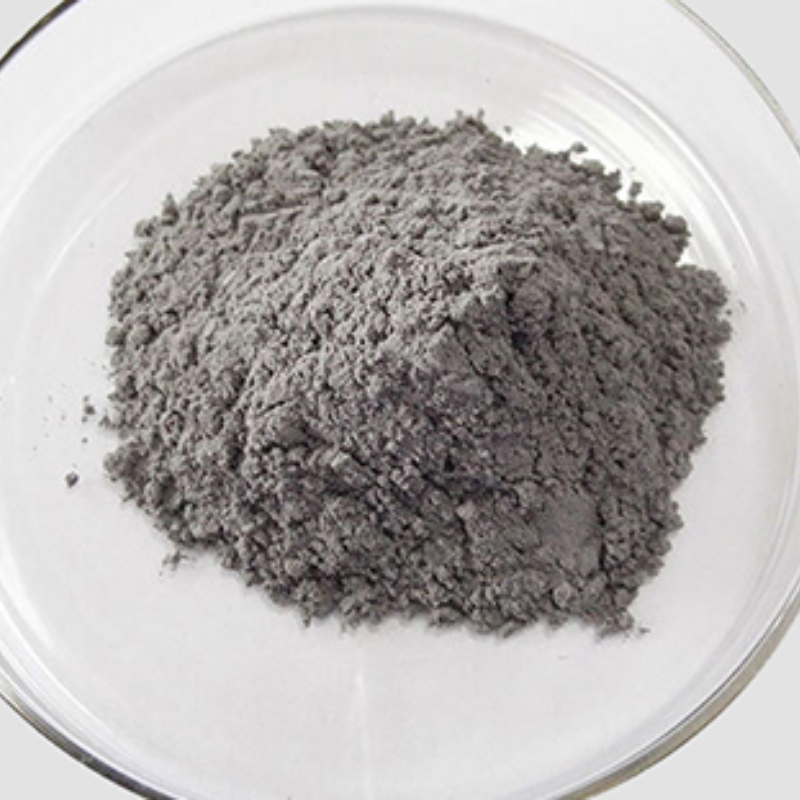

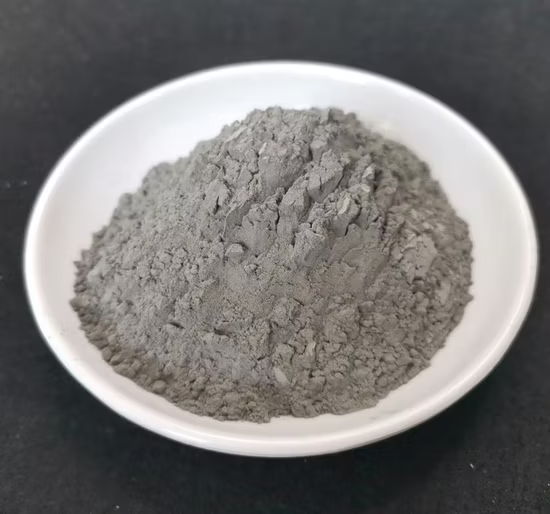

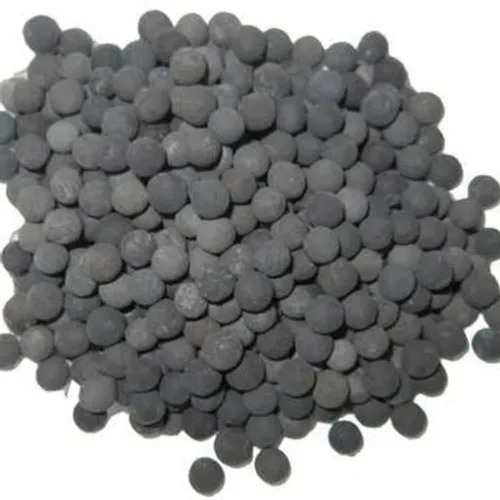
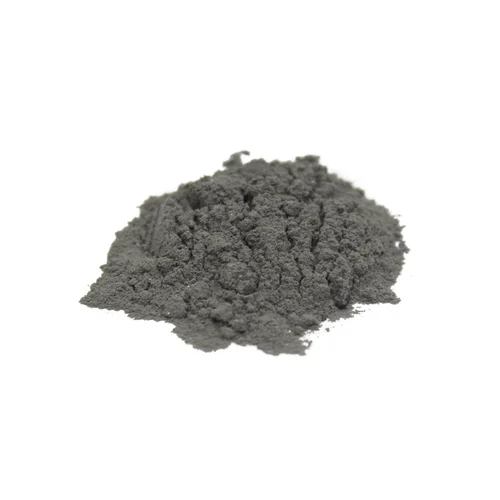
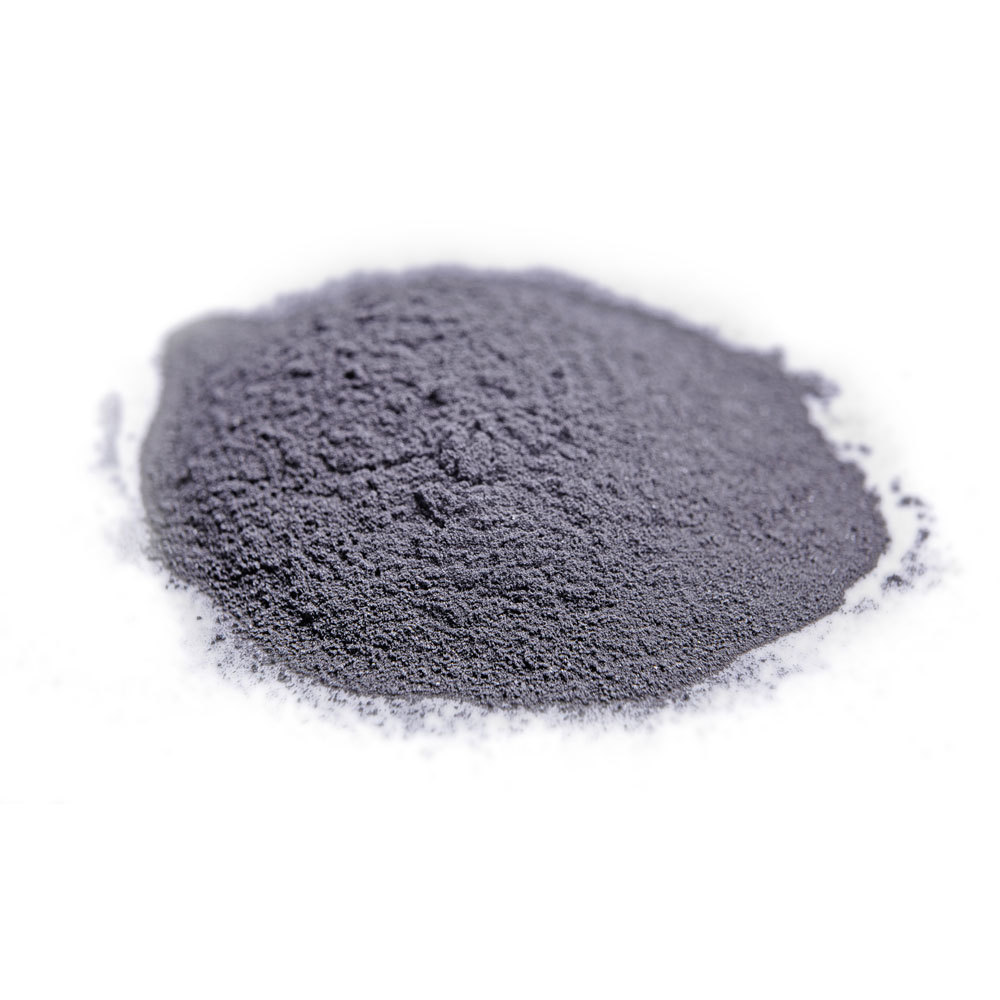

Description
The Power Couple of Catalysis: Platinum-Rhenium and its Applications
In the world of chemical reactions, catalysts are the unsung heroes. They accelerate processes, allowing for efficient production of essential materials and energy. Among the vast array of catalysts, platinum-rhenium (Pt-Re) stands out as a particularly potent and versatile player, finding applications in a wide range of industrial processes. This “power couple” of metals leverages the unique properties of each element to achieve synergistic catalytic effects.
Why Platinum and Rhenium?
Both platinum and rhenium are transition metals known for their catalytic activity. Platinum is renowned for its ability to catalyze reactions involving hydrocarbons, such as isomerization, aromatization, and dehydrogenation. However, platinum alone can suffer from limitations like catalyst deactivation due to coke formation (carbon buildup).
That’s where rhenium enters the picture. Rhenium, a rarer and often more expensive element, brings its own set of beneficial properties. Its presence in the Pt-Re catalyst helps to:
- Reduce Coke Formation: Rhenium modifies the electronic structure of platinum, hindering the formation of coke and extending the catalyst’s lifespan.
- Enhance Dispersion: Rhenium can promote the dispersion of platinum nanoparticles on the support material, increasing the active surface area and improving catalytic activity.
- Alter Selectivity: The addition of rhenium can alter the selectivity of the catalyst, favoring the formation of desired products and minimizing unwanted byproducts.
- Improve Stability at High Temperatures: Rhenium increases the overall thermal stability of the catalyst, crucial for high-temperature reactions.
Applications of Platinum-Rhenium Catalysts:
The unique benefits of Pt-Re catalysts make them essential in various industrial applications:
- Petroleum Refining: Crucially, Pt-Re catalysts are widely used in catalytic reforming processes within oil refineries. Reforming converts low-octane naphtha into high-octane gasoline blendstocks. The Pt-Re catalyst facilitates isomerization, aromatization, and dehydrogenation reactions, transforming straight-chain hydrocarbons into branched and aromatic compounds, significantly boosting the octane rating of gasoline.
- Alkane Dehydrogenation: These catalysts are also used in the dehydrogenation of light alkanes like propane and butane to produce olefins such as propylene and butylene, important building blocks for plastics and other chemicals.
- Selective Hydrogenation: In specific reactions, Pt-Re catalysts can be tuned to selectively hydrogenate certain functional groups while leaving others untouched, a critical requirement in the production of fine chemicals and pharmaceuticals.
- Ammonia Synthesis: While iron-based catalysts dominate the ammonia synthesis process, Pt-Re catalysts have shown promise in certain scenarios, particularly at lower temperatures.
- Production of Aromatic Compounds: The catalyst plays a vital role in producing valuable aromatic compounds like benzene, toluene, and xylene (BTX), essential feedstocks for numerous chemical industries.
Challenges and Future Directions:
Despite its widespread use, researchers continue to explore ways to improve the performance and reduce the cost of Pt-Re catalysts. Challenges include:
- High Cost of Rhenium: The scarcity and price of rhenium create a barrier to wider adoption. Research is focused on optimizing the rhenium content and exploring alternative support materials to minimize the amount of rhenium required.
- Catalyst Deactivation: While rhenium reduces coke formation, it doesn’t eliminate it entirely. Ongoing research investigates strategies to further enhance catalyst stability and resistance to deactivation.
- Optimizing Nanoparticle Size and Dispersion: Fine-tuning the size and distribution of platinum and rhenium nanoparticles is crucial for maximizing catalytic activity.
- Exploring Novel Support Materials: Researchers are exploring new support materials, such as metal-organic frameworks (MOFs) and carbon nanotubes, to further enhance the performance of Pt-Re catalysts.
Conclusion:
The platinum-rhenium catalyst represents a sophisticated and versatile tool in the chemical industry. Its ability to accelerate reactions, improve selectivity, and enhance catalyst stability makes it indispensable for a wide range of processes, particularly in petroleum refining and the production of essential chemicals. While challenges remain, ongoing research promises to unlock even greater potential for this powerful catalytic system, paving the way for more efficient, sustainable, and cost-effective chemical transformations in the future. The Pt-Re story underscores the importance of understanding and harnessing the synergistic properties of different metals to create catalysts that drive innovation across various sectors.



Reviews
There are no reviews yet.