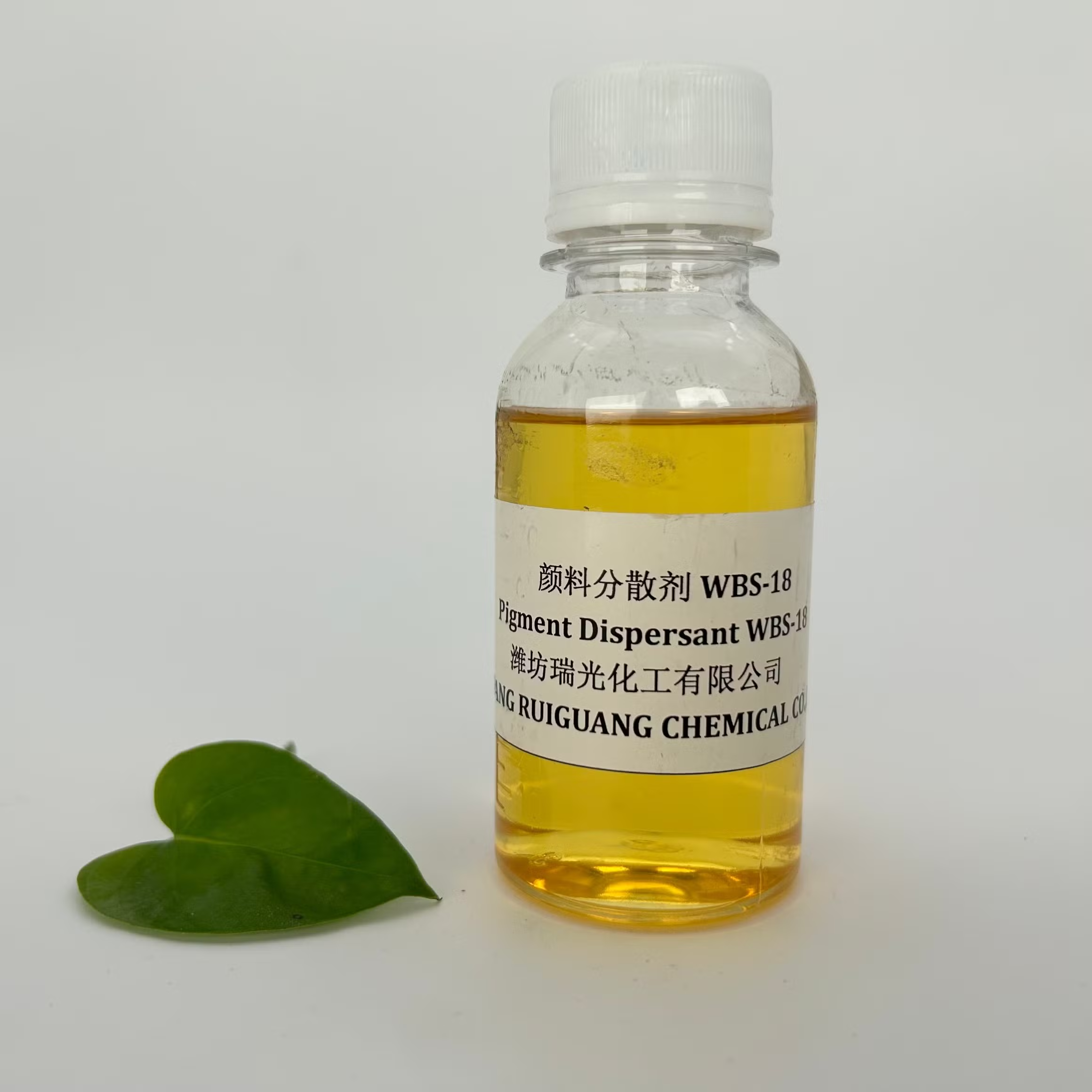
Pigment Dispersing Agents

£4.60

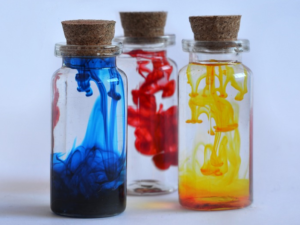
Pigment dispersing agents (PDAs) are chemical additives that help improve the dispersion of pigments in liquids, such as paints, coatings, inks, and other formulations. Their primary role is to prevent pigment particles from agglomerating (clumping together) and to ensure that the pigment remains evenly distributed throughout the liquid medium. Without PDAs, pigments would tend to settle out or form aggregates, leading to poor performance, color consistency, and appearance in the final product.

Key Functions of Pigment Dispersing Agents:

  1. Stabilization: PDAs help stabilize the pigment particles in the liquid, preventing them from flocculating or aggregating.
  2. Improved Flow and Rheology: They influence the viscosity and flow properties of the dispersion, allowing for better application of the product (e.g., smoother paint or ink).
  3. Enhanced Color Development: PDAs ensure that pigment particles are evenly distributed, enhancing color strength and consistency.
  4. Prevention of Settling: Pigments are kept suspended in the liquid phase, preventing them from settling over time, which could cause problems during storage and application.
  5. Better Performance: Ensures that the final product has the desired aesthetic and functional properties, such as brightness, opacity, and durability.

Types of Pigment Dispersing Agents:

  1. Anionic Dispersing Agents: These agents carry a negative charge and are commonly used with pigments that have a positive surface charge. They work by electrostatically repelling pigment particles from each other, preventing aggregation.
  2. Cationic Dispersing Agents: These carry a positive charge and are suitable for pigments with a negative surface charge. They help to stabilize the pigment particles similarly by electrostatic repulsion.
  3. Non-ionic Dispersing Agents: These do not carry a charge and are often used in formulations where ionic dispersing agents may cause instability or interference.
  4. Polymeric Dispersing Agents: These consist of long chains of molecules that physically separate pigment particles by steric hindrance. They are particularly effective in improving the stability of high-pigment load dispersions.

Applications:

  • Paints and Coatings: Ensures uniform color distribution, good flow, and a smooth finish.
  • Inks: Improves print quality by ensuring stable ink formulations with fine pigments.
  • Cosmetics: Helps maintain the stability and color consistency in products like foundations, eye shadows, and lipsticks.
  • Plastics: Ensures uniform pigmentation of plastics for coloring and transparency.

Commonly Used Dispersing Agents:

  • Polymeric dispersants (e.g., polyacrylate-based dispersants)
  • Surfactants (e.g., fatty acid derivatives, ethoxylates)
  • Phosphate esters
  • Polyphosphates

Each type of dispersing agent is chosen based on factors like the type of pigment, the medium (paint, ink, etc.), and the required performance characteristics.

Description

Pigment Dispersing Agents: Unlocking the Power of Color in Industries

Pigments are the workhorses of color, bringing vibrancy and functionality to countless products we use daily. From the paint on our walls to the ink in our printers, pigments are the silent artists shaping our visual world. However, pigments on their own are often clumpy and uncooperative. This is where pigment dispersing agents (PDAs) step in, acting as the unsung heroes that transform raw pigments into stable, effective, and brilliant color solutions.

The Challenge: Pigment Agglomeration

Pigments, in their raw state, typically exist as fine, solid particles. Due to their high surface energy, these particles naturally tend to agglomerate, forming clusters that impede their efficient use. These agglomerates can lead to a host of problems, including:

  • Poor Color Strength: Clumps reduce the available surface area of the pigment, leading to weaker, less intense color.
  • Uneven Color Distribution: Agglomerates cause streaking, mottling, and inconsistent color across the finished product.
  • Reduced Gloss and Transparency: Light scattering from the clumps affects the surface finish, leading to lower gloss and reduced transparency.
  • Filter Clogging and Equipment Wear: Large agglomerates can clog filters in production equipment and even cause wear and tear.
  • Instability Over Time: Agglomerated pigments tend to settle out of solutions, leading to inconsistent color and performance.

The Solution: Pigment Dispersing Agents (PDAs)

Pigment dispersing agents are specifically designed molecules that facilitate the dispersion and stabilization of pigments within a liquid medium. They achieve this through a combination of mechanisms:

  • Wetting: PDAs help to displace air and moisture from the pigment surface, allowing the pigment to be readily wetted by the surrounding medium (e.g., resin, solvent, or water).
  • De-agglomeration: PDAs break down existing agglomerates into smaller, individual particles.
  • Stabilization: Crucially, PDAs prevent re-agglomeration by creating repulsive forces between the dispersed particles. This stabilization is typically achieved through two primary mechanisms:
    • Electrostatic Stabilization: Ionic PDAs impart an electrical charge to the pigment particles, causing them to repel each other.
    • Steric Stabilization: Non-ionic PDAs adsorb onto the pigment surface, forming a physical barrier that prevents close contact and agglomeration.

Types of Pigment Dispersing Agents

The market offers a wide variety of PDAs, each tailored to specific pigment types, application requirements, and dispersion media. Common categories include:

  • Surfactants: These amphiphilic molecules contain both hydrophilic (water-loving) and hydrophobic (water-repelling) portions, allowing them to effectively wet and disperse pigments in a wide range of media.
  • Polymers: Polymeric dispersants, such as acrylic polymers, offer excellent steric stabilization and are particularly effective in high-solids formulations.
  • Hyperdispersants: These advanced dispersants are designed for challenging pigments and demanding applications, providing superior dispersion and stability.
  • Pigment Derivatives: These are modified pigments that incorporate functional groups designed to enhance their dispersibility.

Applications Across Industries

Pigment dispersing agents are essential in a diverse array of industries, including:

  • Paints and Coatings: PDAs ensure vibrant, long-lasting colors, excellent coverage, and improved application properties.
  • Inks: PDAs are critical for achieving high-quality printing, preventing nozzle clogging, and ensuring consistent color reproduction.
  • Plastics: PDAs allow for uniform color distribution, improved mechanical properties, and enhanced UV resistance.
  • Cosmetics: PDAs are used to achieve desired color shades and ensure even application of makeup products.
  • Textiles: PDAs are indispensable for dyeing fabrics with consistent and durable colors.
  • Construction Materials: PDAs help disperse pigments in concrete, cement, and other construction materials, creating aesthetically pleasing and durable structures.

Choosing the Right Pigment Dispersing Agent

The selection of the optimal PDA is crucial for achieving desired results. Factors to consider include:

  • Pigment Type: Different pigments possess varying surface chemistries, requiring specific PDAs for effective dispersion.
  • Dispersion Media: The compatibility of the PDA with the solvent, resin, or other liquids is critical.
  • Application Requirements: The desired color strength, gloss, transparency, and stability will influence the choice of PDA.
  • Processing Conditions: Temperature, shear rate, and other process parameters can affect the performance of the PDA.

The Future of Pigment Dispersion

The field of pigment dispersion is constantly evolving, driven by the demand for higher performance, sustainable solutions, and novel pigment technologies. Future trends include:

  • Bio-based PDAs: Growing interest in environmentally friendly alternatives is spurring the development of PDAs derived from renewable resources.
  • Smart Dispersants: Researchers are exploring dispersants that can respond to external stimuli, such as light or pH, enabling dynamic color control.
  • Nanoparticle Dispersion: PDAs are playing an increasingly important role in dispersing nanoparticles for advanced materials and coatings.

Conclusion

Pigment dispersing agents are the unsung heroes of color technology. By overcoming the challenges of pigment agglomeration, they unlock the full potential of pigments, enabling vibrant, durable, and high-performance products across a wide range of industries. As technology advances and sustainability concerns grow, the field of pigment dispersion will continue to evolve, driving innovation and shaping the future of color.

Reviews

There are no reviews yet.

Be the first to review “Pigment Dispersing Agents”

Your email address will not be published. Required fields are marked *

Add to cart